Question
Citing lake as an example of a simple aquatic ecosystem, interpret how various functions of this ecosystem are carried out. Make a food chain that is functional in this ecosystem.
Productivity: Conversion of inorganic into organic material with the help of solar energy by the autotrophs.
Energy flow: Unidirectional movement of energy towards higher trophic level (and its dissipation and loss as heat to the environment).
Decomposition: Fragmentation, leaching, catabolism, humification, mineralization by bacteria, fungi and flagellates (abundant at the bottom of lake).
Nutrient cycling: Decomposition of dead matter to release the nutrients back to be re-used by the autotrophs.
Food chain in aquatic ecosystem (lake):
Phytoplanktons → Zooplanktons → Small fish → Big fish (Any other appropriate example).
Generate a complete, print-ready paper with questions like this in minutes — across 16+ boards, with answer keys.
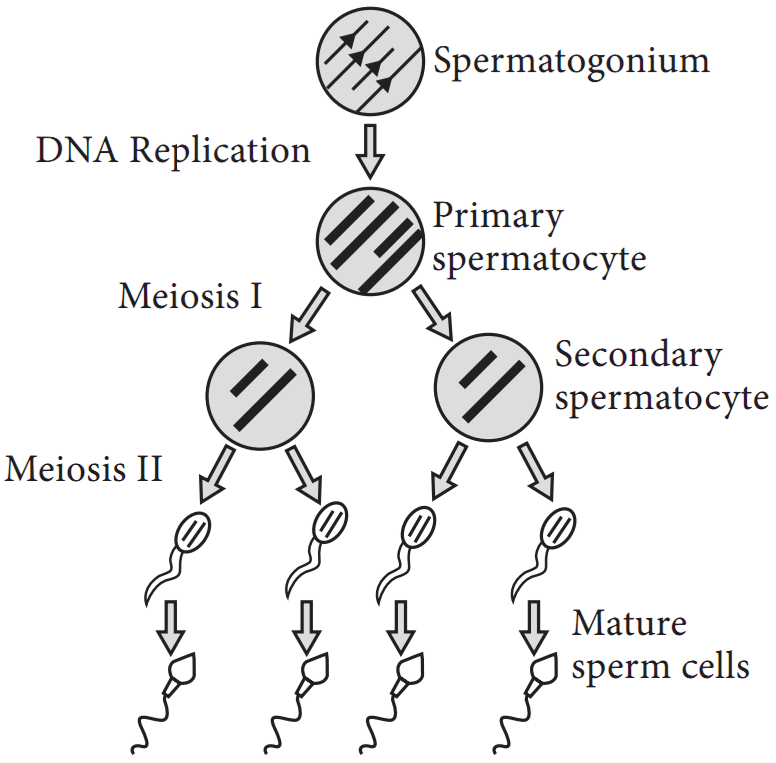
Scientists were interested to find out which stages of sperm development have stem cell capacity. Two experiments were carried out using sterile host males with testes that lacked germ cells. The results are shown in the table.
| Type of cells used | Result | |
| Experiment 1 | Secondary spermatocytes were injected | Fertility was not restored |
| Experiment 2 | Spermatogonia were injected | Fertility was restored for the rest of the mouse's life |
What property of a stem cell is missing in the secondary spermatocytes?
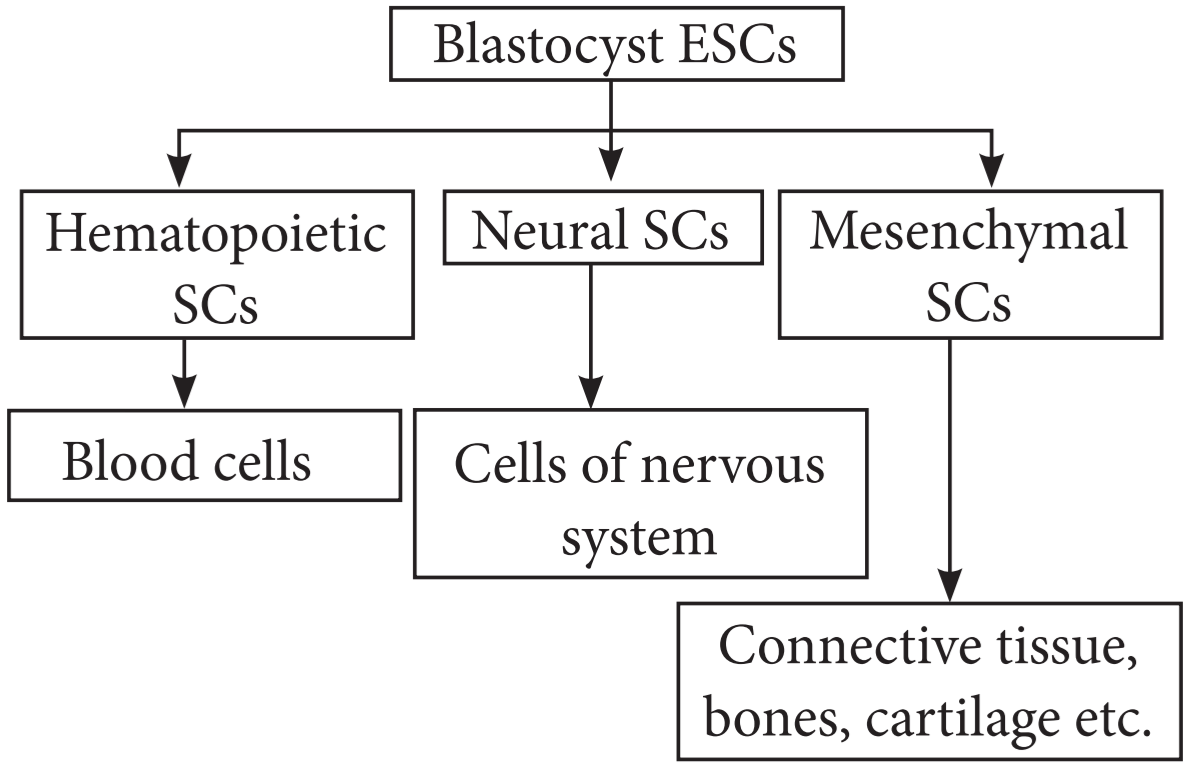
| | Plant Name | Type |
| a. | Hydrilla | ____________ |
| b. | Typha | ____________ |
| c. | Nymphaea | ____________ |
| d. | Lemna | ____________ |
| e. | Vallisnaria | ____________ |