Question
Comment on the statement “living state is a non-equilibrium steadystate to be able to perform work”.

Answer

According to the law of physics; a system in equilibrium can not work. The same logic is true for any biological system. A biological system is always in non-equilibrium and is in steady state. The state of non-equilibrium ensures that the biological system is always in working mode. Various processes in the living being are attempts towards preventing it from falling into equilibrium. This is done by providing energy inputs through metabolic processes. Synchronisation among various metabolic processes maintain the steady state of the biological system.

Need a full question paper?

Generate a complete, print-ready paper with questions like this in minutes — across 16+ boards, with answer keys.
Start Generating Free

Similar questions

Explain the main characteristics of pteridophytes.
Describe reflex action.

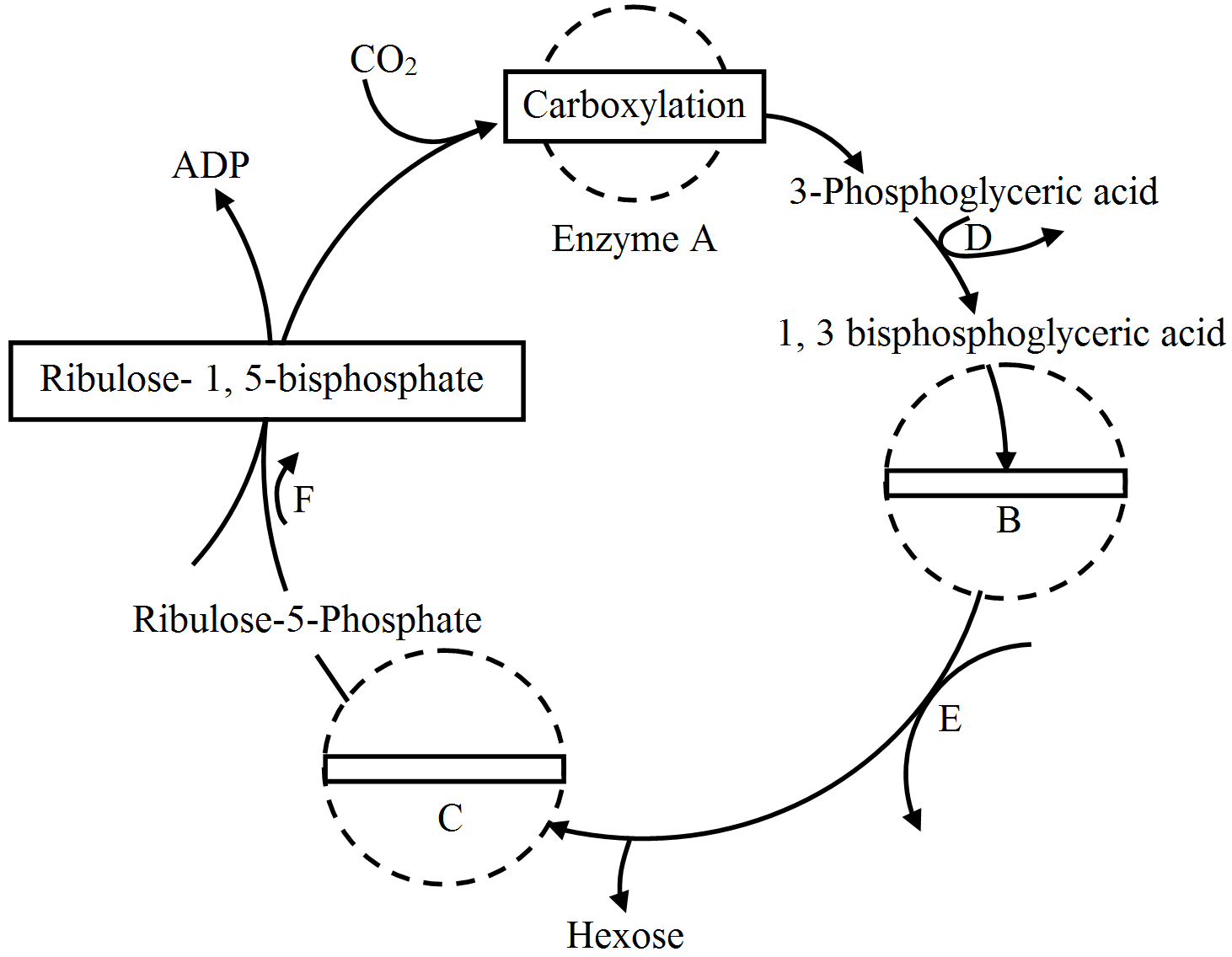
The diagram given below shows stages in the light-independent reactions of photosynthesis. Answer the following:
  1. At which stage NADPH is oxidised?
  2. What are A, B and C?
  3. At what stages ATP is converted into ADP?

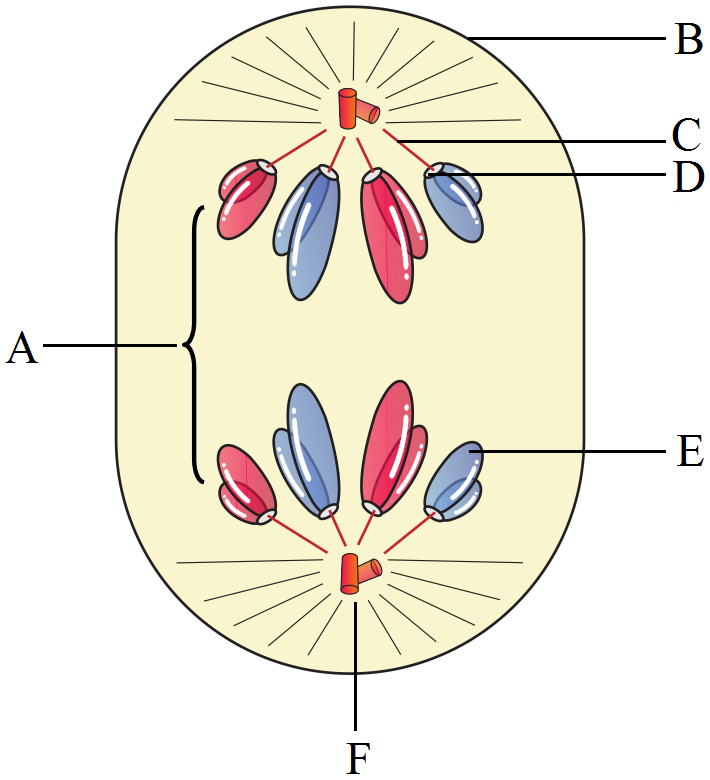
Label the following structures labelled as A-F in the diagram.
How does hierarchical system of classification help scientist to unravel the mystery of living world?
Biology teacher was teaching cell cycle in the class. She taught that cell is the basis from which life exists. Also explained well about cell cycle. Robin who was a bright student was facing difficulties in understanding the topic he reached home and asked her sister who is a student of biology in a college about details of cell cycle and cell theory. She explained him that according to cell theory, cells arise from pre-existing cells and the process involved is cell division. Sexually reproducing organisms start their life from a single cell, called zygote, and cell divisions do not stop with the formation of a mature organism, but continue throughout the life.
  1. What is meant by cell cycle?
  2. Which is the actual phase of cell division?
  3. When (at what phase) do the cell organelles duplicate?
  4. What values are reflected from the Robin's concern?
What is the structural formula of sugars?
Differentiate between prophase and prophase I.
What is the advantage of development of seed habits in seed plants?
Name the two basic phases of cell cycle and differentiate between the two.