Question
Describe how do 'flocs' and 'activated sludge' help in Sewage Treatment.

Answer

Flocs- Aerobic microbes consume the major part of the organic matter in the effluent, significantly reduces BOD.
Activated sludge- Small part of activated sludge is used as inoculum and pumped back to aeration tank/pumped into anaerobic sludge digesters where microbes or bacteria grow anaerobically to produce CH4 or H2S or CO2 or biogas.

Need a full question paper?

Generate a complete, print-ready paper with questions like this in minutes — across 16+ boards, with answer keys.

Start Generating Free

Similar questions

How is a cancerous cell different from normal cell?
How do biofertilisers enrich the fertility of the soil?
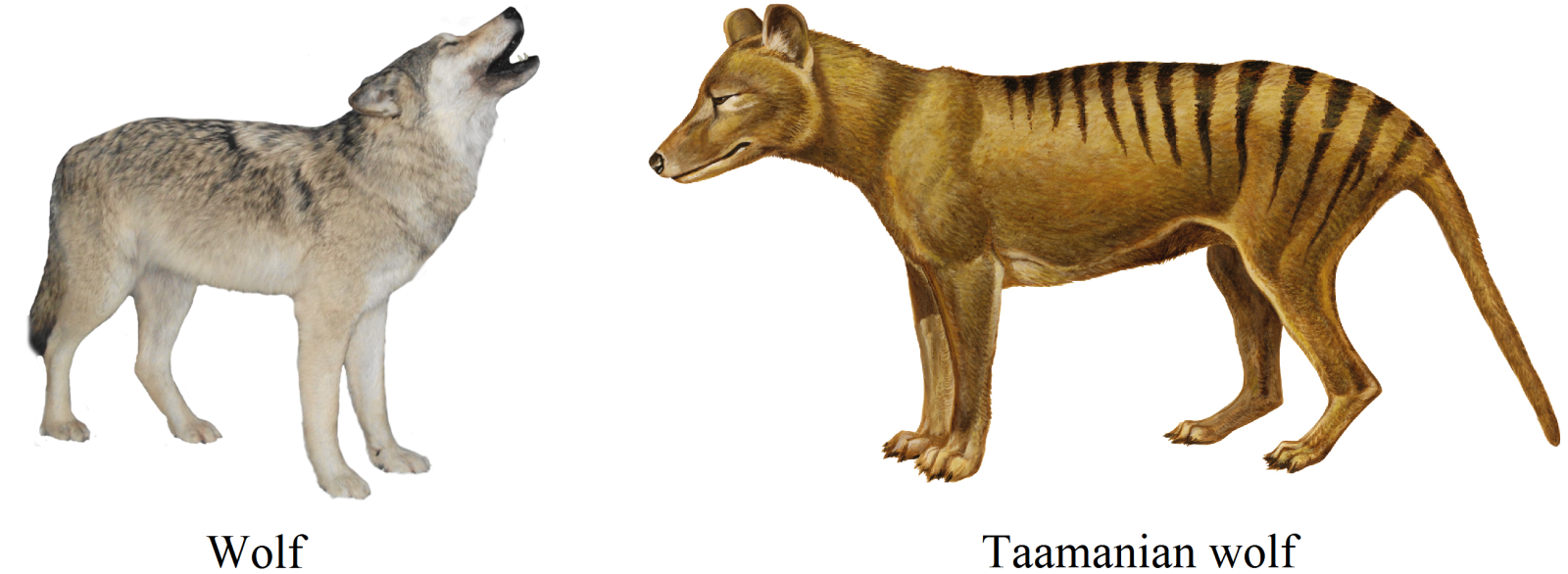
Refer to the figure given below and answer the questions that follow:

  1. Recognize and explain the process by which Tasmanian wolf evolved.
  2. Give one example of an animal that has evolved along with Tasmanian wolf.
  3. Compare and contrast the two animals shown?
In which food would you find lactic acid bacteria? Mention some of their useful applications.
Write a short note on viability of seeds.###How long do the seeds remain alive after they are dispersed?
Answer the following questions:
What is amniocentesis and why there is a statutory ban on it?
Three water samples namely river water, untreated sewage water and secondary effluent discharged from a sewage treatment plant were subjected to BOD test. The samples were labelled A, B and C; but the laboratory attendant did not note which was which. The BOD values of the three samples A, B and C were recorded as 20mg/L, 8mg/L and 400mg/L, respectively. Which sample of the water is most polluted? Can you assign the correct label to each assuming the river water is relatively clean?
  1. Sickel-cell anaemia in humans is a result of point mutation. Explain.
  2. Write the genotypes of both the parents who have produced a sickle-cell anaemic offspring.
  1. Differentiate between analogous and homologous structures.
  2. Select and write analogous structures from the list given below:
  1. Wings of butterfly and birds.
  2. Vertebrate hearts.
  3. Tendrils of bougainvillea and cucurbita.
  4. Tubers of sweet potato and potato.
Monocistronic structural genes in eukaryotes have interrupted coding sequences. Explain. How are they different in prokaryotes?