Question
Describe the function of the heart.

Answer

The heart acts as a pump for the transport of blood. The human heart is divided into four chambers. The upper two chambers are called the atria and the lower two chambers are called the ventricles. The right side of the heart, i.e. the right atrium and ventricle receive carbon dioxide rich-blood from all parts of the body and transport it to the lungs. Its left side, i.e. the left atrium and ventricle, receive oxygen-rich blood from the lungs which is transported it to all parts of the body.
Need a full question paper?

Generate a complete, print-ready paper with questions like this in minutes — across 16+ boards, with answer keys.

Start Generating Free

Similar questions

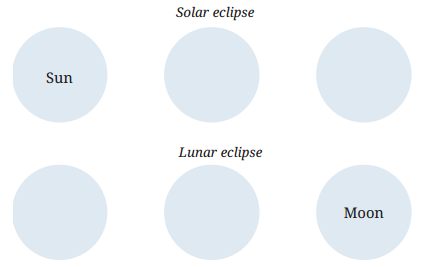
Fill in the circles in Fig. appropriately with one of the following: Sun, Moon, Earth.
Image
Wild animals like tiger, wolf, lion and leopard do not eat plants. Does this mean that they can survive without plants? Can you provide a suitable explanation?
Unscramble the underlined word in the following sentences :
(i) The discharge of blood in adolescent girls which generally occurs every 28-30 days is nstmnoiaretu.
(ii) The hoarseness in the voice of adolescent boys is due to enlarged iceov xob.
(iii) Secondary sexual characteristics are natural signs that the body is preparing for adulthood and mark the onset of urtvpeb.
(iv) We should say NO to lahoclo and srugd as they are addictive.
Explain the food factory of plants.
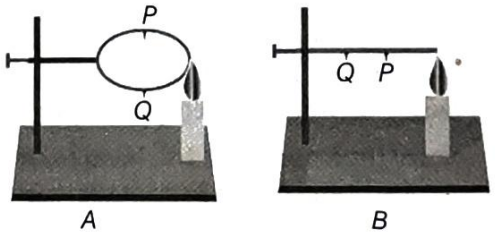
In the arrangements A and B as shown in figure, pins Pand Q are fixed to a metal loop and an iron rod with the help of wax. In which case, both the pins are likely to fall at different times? Explain.
Image
Have you even wondered why you get muscle cramps after heavy exercise?
One morning as Paheli strolled in her garden she noticed many small plants which were not there a week ago. She wondered where they had come from as nobody had planted them there. Explain the reason for the growth of these plants.
The image formed by a lens is always virtual, erect and smaller in size for an object kept at different positions in front of it. Identify the nature of the lens.