Question
Differentiate between Parthenocarpy and Parthenogenesis. Give one example of each.

Answer

In most plants, flowers need to be pollinated and fertilized to produce fruits. However, some plants can produce fruits before fertilization or without fertilization. Parthenocarpy is the process which produces fruits from unfertilized ovules in plants. Unfertilized ovules develop into fruits prior to fertilization. These fruits do not contain seeds.
Parthenogenesis is a type of reproduction commonly shown in organisms mainly by some invertebrates and lower plants. It can be described as a process in which unfertilized ovum develops into an individual (virgin birth) without fertilization. Therefore, it can be considered as a method of asexual reproduction.
It is seen in organism like rotifers, honeybees and even some lizards and birds (turkey).
The key difference between parthenogensis and parthenocarpy is, parthenogenesis is shown by animals and plants while pathenocarpy is shown only by plants.
Need a full question paper?

Generate a complete, print-ready paper with questions like this in minutes — across 16+ boards, with answer keys.

Start Generating Free

Similar questions

Describe biopiracy.
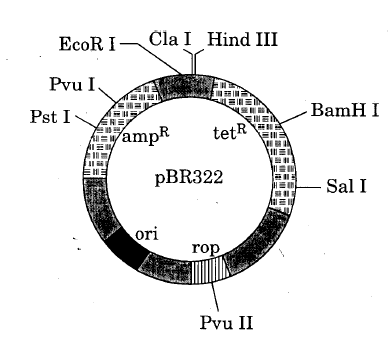
  1. Name the organism in which the vector shown is inserted to get the copies of the desired gene.
  2. Mention the area labelled in the vector responsible for controlling the copy number of the inserted gene.
  3. Name and explain the role of a selectable marker in the vector shown.
​​​​​​​
What is the major advantage of producing plants by micropropagation?
Indiscriminate human activities such as alien species invasion, fragmentation and habitat loss have accelerated the loss of biodiversity. Justify by taking one example for each.
How does the study of different parts of a flower help in identifying in wind as its pollinating agent?
How arein-situ and ex-situ approaches of biodiversity conservations different from each other?
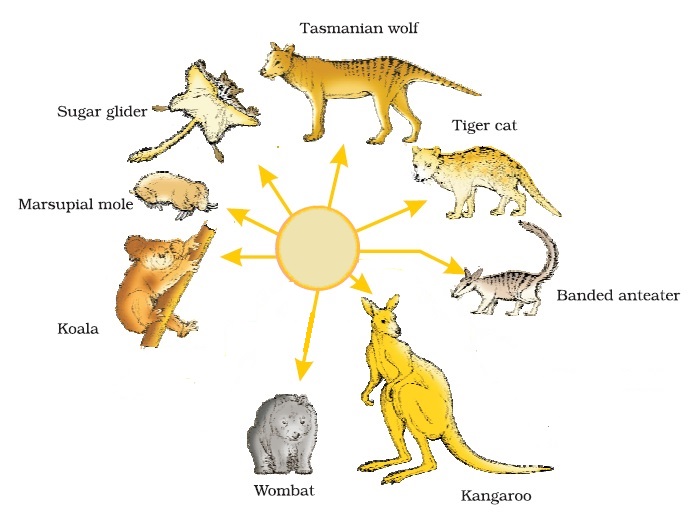
  1. Mention the specific geographical region where these organisms are found.
  2. Name and explain the phenomenon that has resulted in the evolution of such diverse species in the region.
  3. Explain giving reasons the existence of placental wolf and Tasmanian wolf sharing the same habitat.
Explain with the help of suitable examples the three different ways by which organisms overcome their stressful conditions lasting for short duration.
  1. A tRNA is charged with the amino acid methionine.
  1. Name the process involved in the attachment.
  2. Point out the mRNA codon and anticodon on RNA for this amino acid.
  1. What is heterochromatin?
Explain with an example, how molecular diagnostic techniques are helpful in early diagnosis of the diseases.