Question
Ectomycorrhizae and Endomycorrhizae.
| Ectomycorrhizae | Endomycorrhizae |
| 1. Mycelium of ectomycorrhizal fungi form a sheath called mantle on the surface of roots. | 1. Most of the endomycorrhizal hyphae penetrate in the root cortex. |
| 2. Few hyphae form hartig-net in the intercellular spaces of root cortex. | 2. Fungal hyphae do not produce hartig-net. |
| 3. Arbuscles and vesicles are not formed. | 3. Arbuscles and vesicles are formed. |
Generate a complete, print-ready paper with questions like this in minutes — across 16+ boards, with answer keys.
| Column A | Column B |
| Q.1. Neurons | (a) Earthworm |
| Q.2. Ladder type | (b) Hydra |
| Q.3. Ganglion | (c) Flatworm |
| Q.4. Nerve net | (d) Human |
| Column A (Disorder) | Column B (Associated Gland) |
| (1) Addison’s disease | (A) Hypothalamus |
| (2) Grave’s disease | (B) Pituitary |
| (3) Diabetes insipidus | (C) Thyroid |
| (4) Acromegaly | (D) Adrenal |
|
S no.
|
Reema
|
Jai
|
Ankit
|
|
(a)
|
Diabetes
|
Grave's disease
|
Rheumatic fever
|
|
(b)
|
Pernicious anaemia
|
Multiple sclerosis
|
Myasthenia gravis
|
|
(c)
|
Addison's disease
|
Rheumatoid arthritis
|
Hashismoto's thyroiditis
|
|
(d)
|
Systemic lupus erythematosus
|
Severe combined immunodeficiency disease
|
AIDS
|
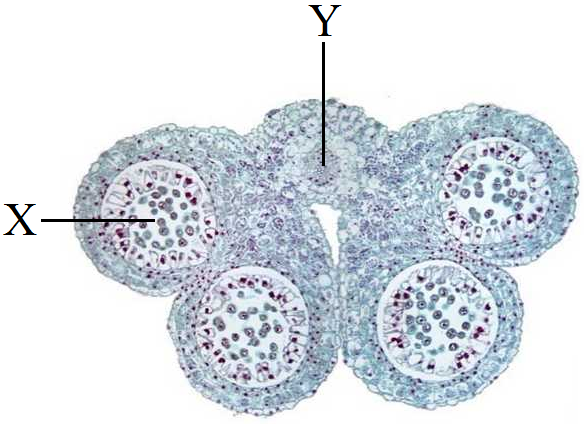
|
S. No
|
Structure of X
|
Stamens
|
|
(a)
|
Abundant and light
|
Pendulous
|
|
(b)
|
Rough surfaces
|
Non-pendulous
|
|
(c)
|
Light and sticky
|
Pendulous
|
|
(d)
|
Coarse and sticky
|
Protrude outside the flower
|
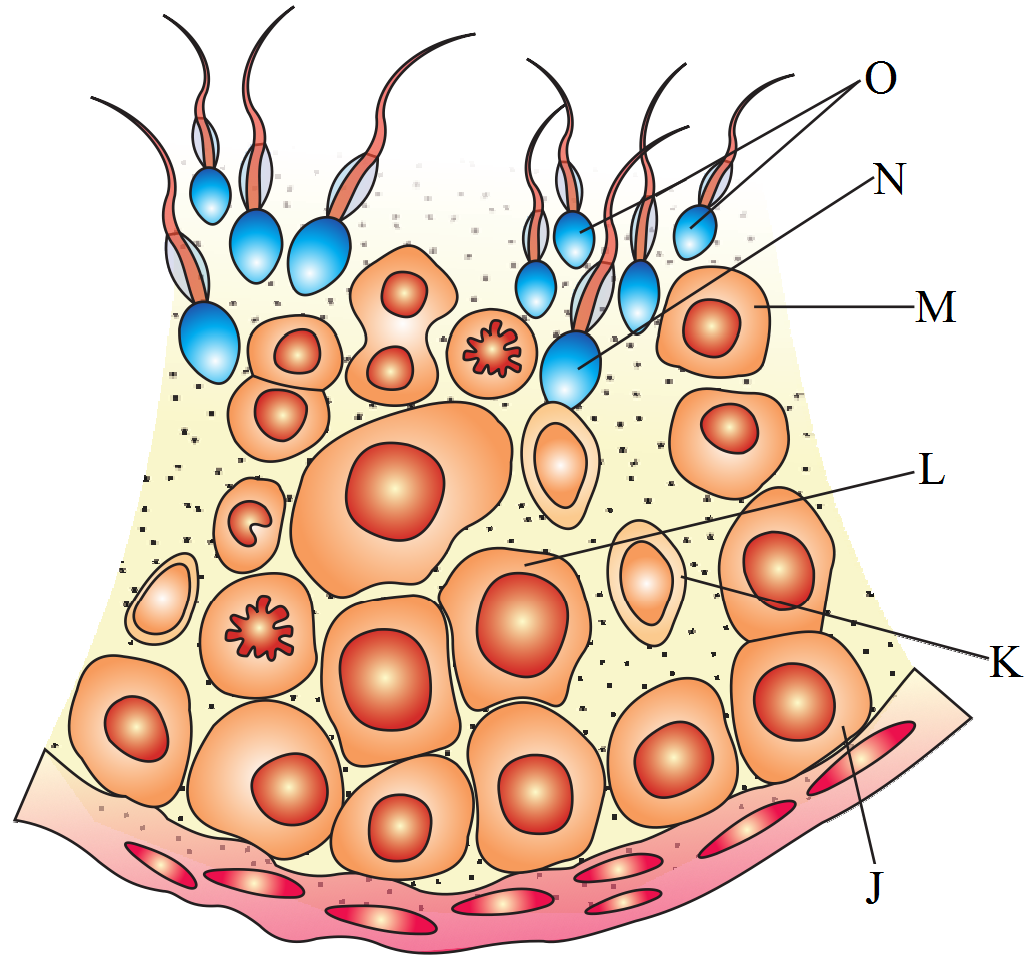
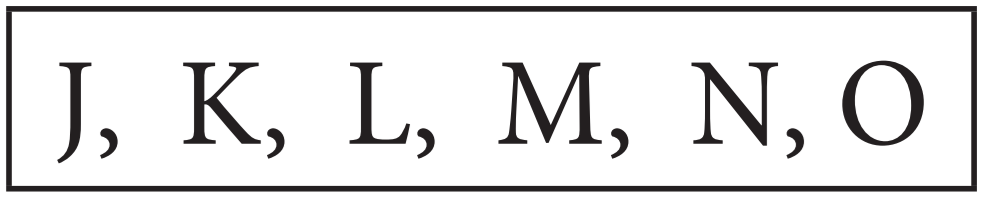
| Column A | Column B |
| (1) Rooted floating angiosperm | (a) Cyperus |
| (2) Free-floating plant | (b) Typha |
| (3) Reed swamp | (c) Pistia |
| (4) Marsh-meadow | (d) Lotus |