Question
Explain Gene Therapy

Answer

→ Gene therapy is a collection of methods that allows correction of a gene defect that has been diagnosed in a child/embryo.
→ Here by using DNA medicinal protein is produce which correct or treat the mutated Gene.
→ Here genes are inserted into a person's cells and tissues to treat a disease.
→ Correction of a genetic defect involves delivery of a normal gene in to the individual or embryo. to take over the function of and compensate for the non-functional gene.
→ Example- Adenosine deaminase deficiency
→ The first clinical gene therapy was given in 1990 to a 4-year old girl with adenosine deaminase (ADA) deficiency.
→ This enzyme is crucial for the immune system to function.
→ The disorder is caused due to the deletion of the gene for adenosine deaminase.
→ In some children ADA deficiency can be cured by bone marrow transplantation.
→ In others it can be treated by enzyme replacement therapy, in which functional ADA is given to the patient by injection.
→ But the problem with both of these approaches that they are not completely curative. As a first step towards gene therapy, lymphocytes from the blood of the patient are grown in a culture outside the body.
→ A functional ADA CDNA (using a retroviral vector) is then introduced into these lymphocytes, which are subsequently returned to the patient.
→ However, as these cells are not immortal, the patient requires periodic infusion of such genetically engineered lymphocytes.
→ However, if the gene isolate from marrow cells producing ADA is introduced into cells at early embryonic stages, it could be a permanent cure.
Need a full question paper?

Generate a complete, print-ready paper with questions like this in minutes — across 16+ boards, with answer keys.

Start Generating Free

Similar questions

  1. Write the characteristic features of anther, pollen and stigma of wind pollinated flowers.
  2. How do flowers reward their insect pollinators? Explain.
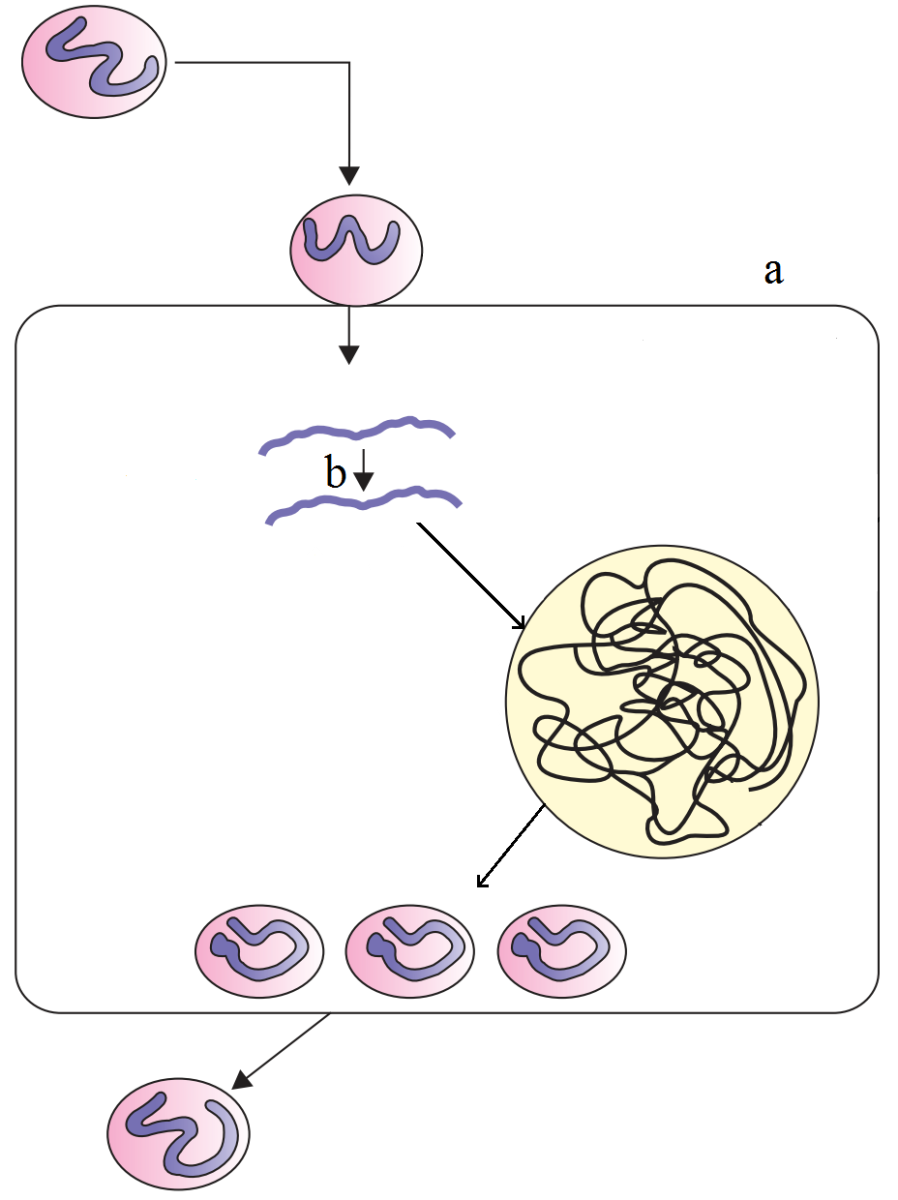
  1. What does this diagrammatic sketch depict?
  2. Identify 'a' and 'b'.
  3. Name the widely used diagnostic test when a person gets this disease.

​​​​​​​


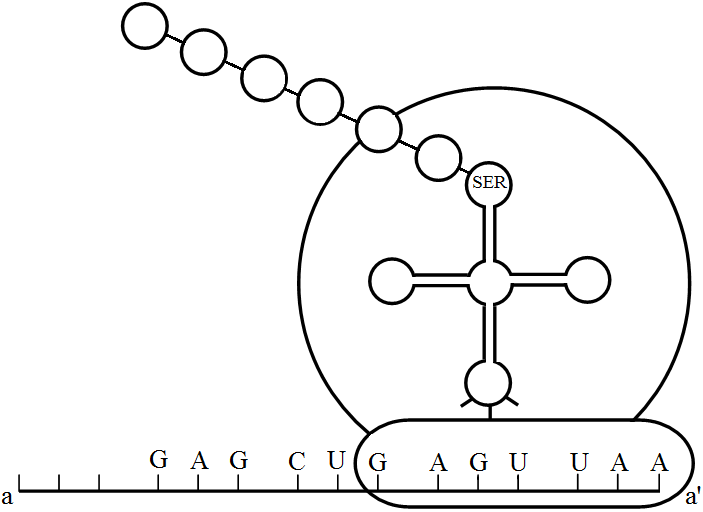
  1. Identify the polarity from a to a', in the above diagram and mention how many more amino acids are expected to be added to this polypeptide chain.
  2. Mention the DNA sequence coding for serine and the anticodon of tRNA for the same amino acid.
  3. Why are some untranslated sequence of bases seen in mRNA coding for a polypeptide? Where exactly are they present on mRNA?
Selecting the recombinants becomes cumbersome when antibiotic is inactive- explain.###How can we distinguish between recombinant and non recombinant plasmid? Illustrate.
Define the following terms and give one example for each:
a. Commensalism
b. Parasitism
c. Camouflage
d. Mutualism
e. Interspecific competition
  1. In pBR322, foreign DNA has to be introduced in tetR region. From the restriction enzymes given below, which one should be used and why?

PvuI, EcoRI, BamHI

  1. Give reasons, why the other two enzymes cannot be used.
Name the three RNA polymerases found in eukaryotic cells and mention their functions.
What is a recombinant DNA vaccine? Give two examples.
How is PCR technique beneficial in biotechnology? How are the developed countries related to biopiracy cases? Explain with an example.
Name the kind of organisms which constitute the pioneer community of xerarch and hydrarch successions respectively.