Question
Explain the different steps in the construction of recombinant DNA.

Answer

Isolation of the genetic material (DNA):

  • RNA is removed by treatment with ribonuclease and proteins are removed by treatment with protease.
  • After several treatments, the purified DNA is precipitated by adding chilled ethanol.
  • The bacterial/ plant/ animal cell is broken down by enzymes to release DNA, along with RNA, proteins, polysaccharides and lipids.
  • Bacterial cell is treated with enzyme lysozyme.
  • Plant cell is treated with enzyme cellulase.
  • Fungal cell is treated with chitinase.

Cutting of DNA at specific locations:

  • The DNA is cut using restriction enzymes.
  • The purified DNA is incubated, with the specific restriction enzyme at conditions optimum for the enzyme to act. Isolation of desired DNA fragment
  • Using agarose gel electrophoresis, the activity of the restriction enzymes can be checked.
  • Since the DNA is negatively charged, it moves towards the positive electrode or anode and in the process, DNA fragments separate out based on their sizes.
  • The desired DNA fragment is eluted out.

Amplification of gene of interest using PCR:

  • The Polymerase Chain Reaction (PCR) is a reaction in which amplification of specific DNA sequences is carried out in vitro. 

Need a full question paper?

Generate a complete, print-ready paper with questions like this in minutes — across 16+ boards, with answer keys.
Start Generating Free

Similar questions

Describe the different stages of xerosere.
For the selection of recombinants, insertional inactivation of the antibiotic marker has been superseded by insertional inactivation of a marker gene coding for a chromogenic substrate. Give reasons.
With the help of suitable diagram describe the logistic population growth curve.
Answer the following questions:
Describe the temperature treatment that enhances the bacteria to take up the rDNA.
With the help of suitable diagram describe the logistic population growth curve.

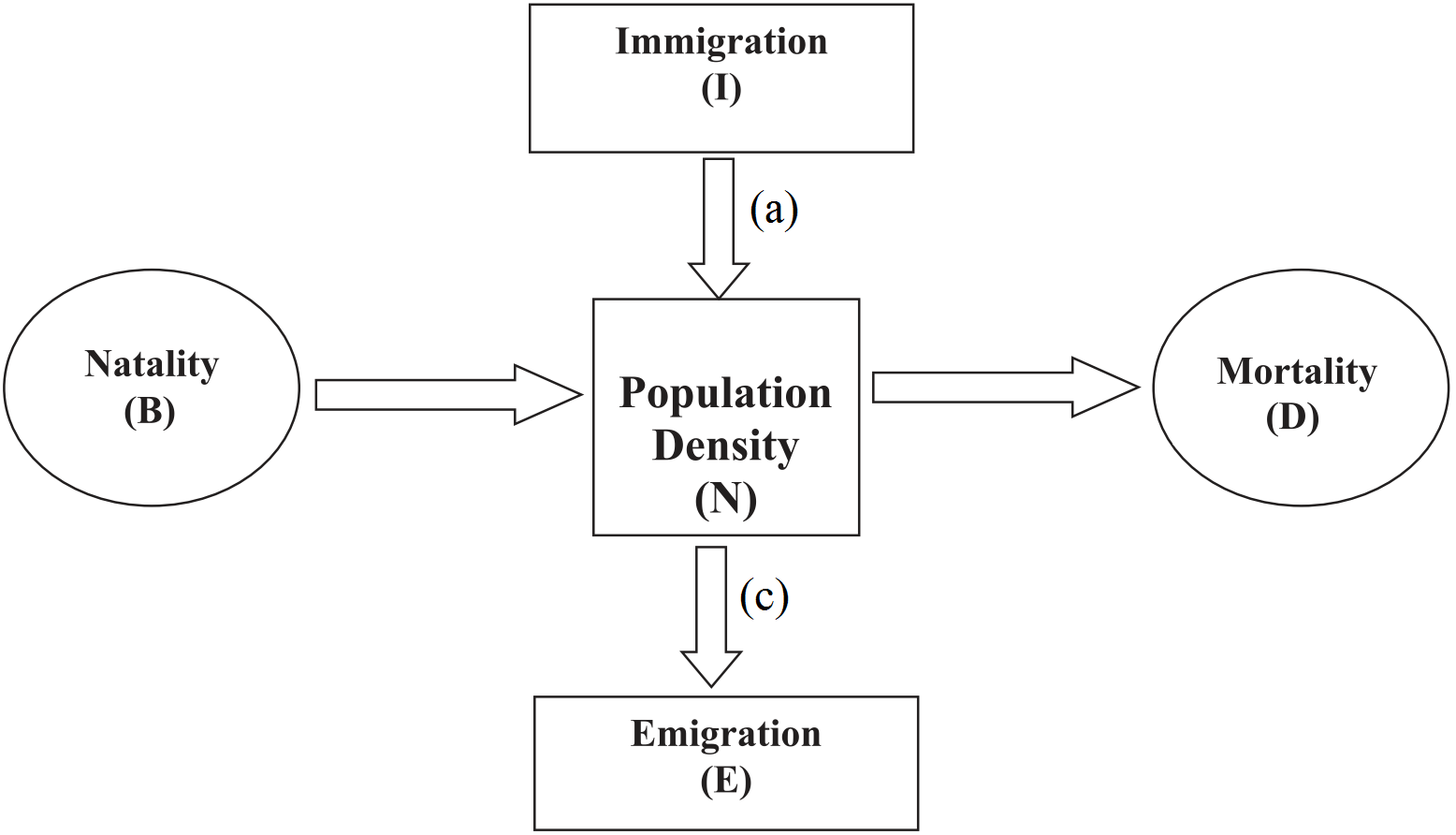
  1. Which of the above represents the increase or decrease of population?
  2. If N is the population density at time t, then what would be its density at time (t + 1)? Give the formula.
  3. In a barn there were 30 rats. 5 more rats enter the barn and 6 out of the total rats were eaten by the cats. If 8 rats were born during the time period under consideration and 7 rats left the barn, find out the resultant population at time (t + 1).
  4. If a new habitat is just being colonized, out of the four factors affecting the population growth, which factor contributes the most?
Explain the process of transcription in prokaryotes.
What are sexually transmitted diseases? Write the names of these diseases. Also describe the two diseases with special reference on their mode of transmission symptoms and the preventive measures against them.
DNA separated from one cell, when introduced in another cell, is able to bestow some of the properties of the former to the latter. What is this change called in technical terms? Describe the experiment evidences which led to the discovery of the above phenomenon.
Match the items in Column I with those in Column II.
S.No.
Column I
S.No.
Column II
(A)
Pyramid of energy
(i)
Phytoplanktons
(B)
Pyramid of biomass
(ii)
Mesic forest
(C)
Climax community
(iii)
Upright/ inverted
(D)
Hydrarch succession
(iv)
Alwayes upright
 
 
(v)
Pioneer species