Question
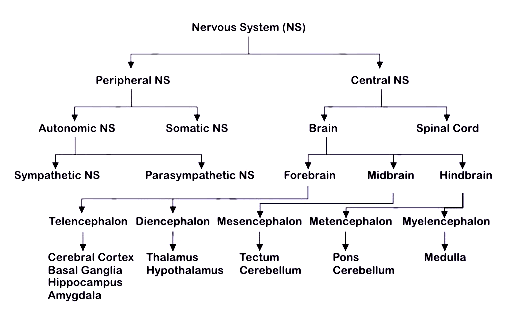
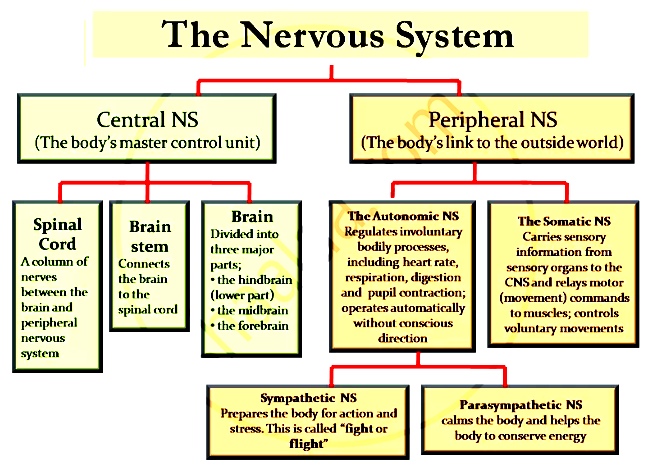
Explain the divisions of the nervous system.
Generate a complete, print-ready paper with questions like this in minutes — across 16+ boards, with answer keys.
| Column I | Column II |
| (i) Acrosome (ii) Ovulation (iii) Sperm (iv) Menopause (v) Implantation> (vi) Fertilization (vii) Contraception in males | (a) Male gamete (b) Oviduct (c) Uterus (d) Spermatozoa (e) Progesterone (f) Stoppage of the menstrual cycle (g) Sudden change in genes |
| Column 1 | Column 2 | ||
| 1 | SPM | a | Release of methane |
| 2 | Ozone hole | b | Add to greenhouse effect |
| 3 | Melting of polar ice | c | Affects oxygen transport by blood |
| 4 | Acid rain | d | Rise in sea level |
| 5 | Green house effect | e | Bronchitis & inflammation of the lungs |
| 6 | Melting of permafrost | f | Erosion of buildings |
| 7 | Carbon monoxide | g | Chlorofluorocarbons |
| Column I | Column Il |
| (i) Left-auricle | (a) Clotting |
| (ii) Right auricle | (b) Thebasius valve |
| (iii) Left ventricle | (c) Pulmonary vein |
| (iv) Right-ventricle | (d) Aorta |
| (v) Fibrin | (e) Pulmonary arch |
| Column A | Column B |
| (i) Pituitary | (a) produces male sex characteristics |
| (ii) Ovaries | (b) decreases blood sugar level |
| (iii) Thyroid | (c) increases heart and breathing rate raises blood pressure |
| (iv) Thymus | (d) produces female sex characteristics |
| (v) Adrenals | (e) is known as emergency hormone |
| (vi) Hypothalamus | (f) regulates the level of calcium and phosphorus |
| (vii) Pancreas | (g) increases the rate of metabolism |
| (viii) Testes | (h) maintains the level of calcium |
| (ix) Parathyroid | regulates the amount of water excreted in the urine. |
| (x) Cretinism | (j) simulates skeletal growth |
| (xi) Diabetes mellitus | (k) regulates the activities of other glands |
| (xii) Insulin shock | (l) stimulates the development of male and female sex organs |
| (xiii) Gigantism | (m) Shortage of glucose in the blood. |
| (xiv) Enlargement of breasts in adult males | (n) Over-secretion of growth hormone |
| (xv) Exophthalmic goiter | (o) Excess of glucose in the blood |
| (xvi) Acromegaly | (p) Over-secretion of thyroxin |
| (xvii) Addison’s disease | (q) Dwarfism and mental retardation |
| (xviii)Cretinism | (r) Over-secretion of cortical hormones |
| (xix) Dwarfism | (s) Under-secretion of the adrenal cortex |
| (xx) Adrenalin | (t) Under-secretion of thyroxin in children |
| (xxi) Vasopressin | (u) Over-secretion of growth hormones in adults |