Question
Explain the nature of Accounting Standards.

Answer

Following points highlight the nature of Accounting Standards:
  1. Accounting Standards are guidelines providing the framework so that credible Financial Statements are prepared.
  2. The objective of setting Accounting Standards is to bring uniformity in accounting practices and to ensure transparency, consistency and comparability.
  3. Accounting Standards are prepared keeping in view the business environment and laws of the country. It, therefore, naturally means that the guidelines change with change in business environment and laws. It is because of this that Accounting Standards are being revised from time to time. It may be noted that whenever a conflict arises between law and Accounting Standards, law will prevail.
  4. Accounting Standards are mandatory in nature.
  5. Accounting Standards have also been made flexible in the sense that where alternative accounting practices are acceptable, an enterprise may adopt any of the practices with a suitable disclosure. For example, an enterprise may charge depreciation on the Written Down Value Method or Straight Line Method.

Need a full question paper?

Generate a complete, print-ready paper with questions like this in minutes — across 16+ boards, with answer keys.

Start Generating Free

Similar questions

From the following information supplied by Sanjay, prepare his Bank Reconciliation Statement as on 31st March, 2019:
   
(i) Bank overdraft as per Pass Book. 16,500
(ii) Cheques issued but not presented for payment. 8,750
(iii) Cheques deposited with the Bank but not collected. 10,500
(iv) Cheques recorded in the Cash Book but not sent to the bank for collection. 2,000
(v) Payments received from customers directly by the bank. 3,500
(vi) Bank charges debited in the Pass Book. 200
(vii) Premium on life policy of Sanjay paid by the bank on standing advice. 1,980
(viii) A bill for ₹ 3,000 (discounted with the bank in February) dishonoured on 31st March, 2019 and noting charges paid by the bank. 100
Prove that the Accounting Equation is satisfied in all the following transactions of Suresh. Also prepare a Balance Sheet.
  1. Commenced business with cash ₹ 60,000.
  2. Paid rent in advance ₹ 500.
  3. Purchased goods for cash ₹ 30,000 and credit ₹ 20,000.
  4. Sold goods for cash ₹ 30,000 costing ₹ 20,000.
  5. Paid salary ₹ 500 and salary outstanding being ₹ 100.
  6. Bought motorcycle for personal use ₹ 5,000
Prepare Two Column Cash Book from the following transactions and balance the book on 31st Jan., 2014:
2014  
Jan. 1 Cash in hand ₹ 50,000; Bank overdraft ₹ 1,90,000.
Jan. 2 Purchased goods from Rajesh Kumar of the list price of ₹ 50,000 at 5% trade discount and payment made by cheque.
Jan. 6 Goods sold for ₹ 80,000 and payment received by cheque. Cheque deposited into Bank on same day.
Jan. 10 Goods purchased for cash ₹ 19,800.
Jan. 15 Furniture sold for ₹ 1,77,000 and payment received by cheque & cheque deposited into Bank on same day.
Jan. 18 Salaries paid ₹ 4,500.
Jan. 21 Settled the amount due to Ram ₹ 2,000 by paying cash ₹ 1,910.
Jan. 22 Cash received from Jai ₹ 14,780 in full settlement of his account of ₹ 15,000.
Jan. 23 Paid Life Insurance premium ₹ 1,500.
Jan. 31 Deposited with bank the entire balance after retaining ₹ 7,000 cash in hand.
A sold goods to B on 1st September, 2018 for ₹ 16,000. B immediately accepted a 3 months bill. On the due date, B requested that the bill be renewed for a further period of 2 months. A agreed provided interest at 9% p.a. was paid immediately in cash. To this Bwas agreeable. The second bill was met on the due date. Give the Journal entries in the books of A.
Bobby opened a consulting firm and completed these transactions during November, 2017:
  1. Invested ₹ 4,00,000 cash and office equipment with ₹ 1,50,000 in a business called Bobbie Consulting.
  2. Purchased land and a small office building. The land was worth ₹ 1,50,000 and the building worth ₹ 3,50,000. The purchase price was price was paid with ₹ 2,00,000 cash and a long term note payable for ₹ 3,00,000.
  3. Purchased office supplies on credit for ₹ 12,000.
  4. Bobbie transferred title of motor car to the business. The motor car was worth ₹ 90,000.
  5. Purchased for ₹ 30,000 additional office equipment on credit.
  6. Paid ₹ 75,00 salary to the office manager.
  7. Provided services to a client and collected ₹ 30,000
  8. Paid ₹ 4,000 for the month’s utilities.
  9. Paid supplier created in transaction c.
  10. Purchase new office equipment by paying ₹ 93,000 cash and trading in old equipment with a recorded cost of ₹ 7,000.
  11. Completed services of a client for ₹ 26,000. This amount is to be paid within 30 days.
  12. Received ₹ 19,000 payment from the client created in transaction k.
  13. Bobby withdrew ₹ 20,000 from the business.
Analyse the above stated transactions and open the following T-accounts: Cash, client, office supplies, motor car, building, land, long term payables, capital, withdrawals, salary, expense and utilities expense.
On 30th June, 2019, bank column of the Cash Book showed balance of ₹ 12,000 but the Pass Book showed a different balance due to the following reasons:
  1. Cheques paid into the bank ₹ 8,000 but out of these only cheques of ₹ 6,500 credited by bankers.
  2. The receipts column of the Cash Book undercast by ₹ 200.
  3. On 29th June, a customer deposited ₹ 3,000 directly in the Bank Account but it was entered in the Pass Book only.
  4. Cheques of ₹ 9,200 were issued of which ₹ 2,200 were presented for payment on 15th July.
  5. Pass Book shows a credit of ₹ 330 as interest and a debit of ₹ 60 as bank charges.
Prepare Bank Reconciliation Statement as on 30th June, 2019.
Journalise the following:
2017
 
March 4
Purchased building for ₹ 1,50,000 and incurred expenses of ₹ 10,000 on its purchase.
March 10
Satish who owed us ₹ 20,000 is declared insolvent and 60 paise per ₹ is received from his estate.
March 15
Paid ₹ 500 for repairing the office furniture.
March 18
Proprietor withdrew for his personal use cash ₹ 5,000 and goods worth ₹ 2,000.
March 20
Purchased the following items for business: Iron Safe ₹ 15,000; Filing Cabinet ₹ 5,000; Computer ₹ 12,000; Postage ₹ 200 and Stationery ₹ 150
March 28
Paid electricity charges ₹ 1,600.
March 31
Charge depreciation on Machinery @ 10% for one year (Machinery ₹ 75,000).
March 31
Outstanding wages at the end of the year ₹ 6,000.
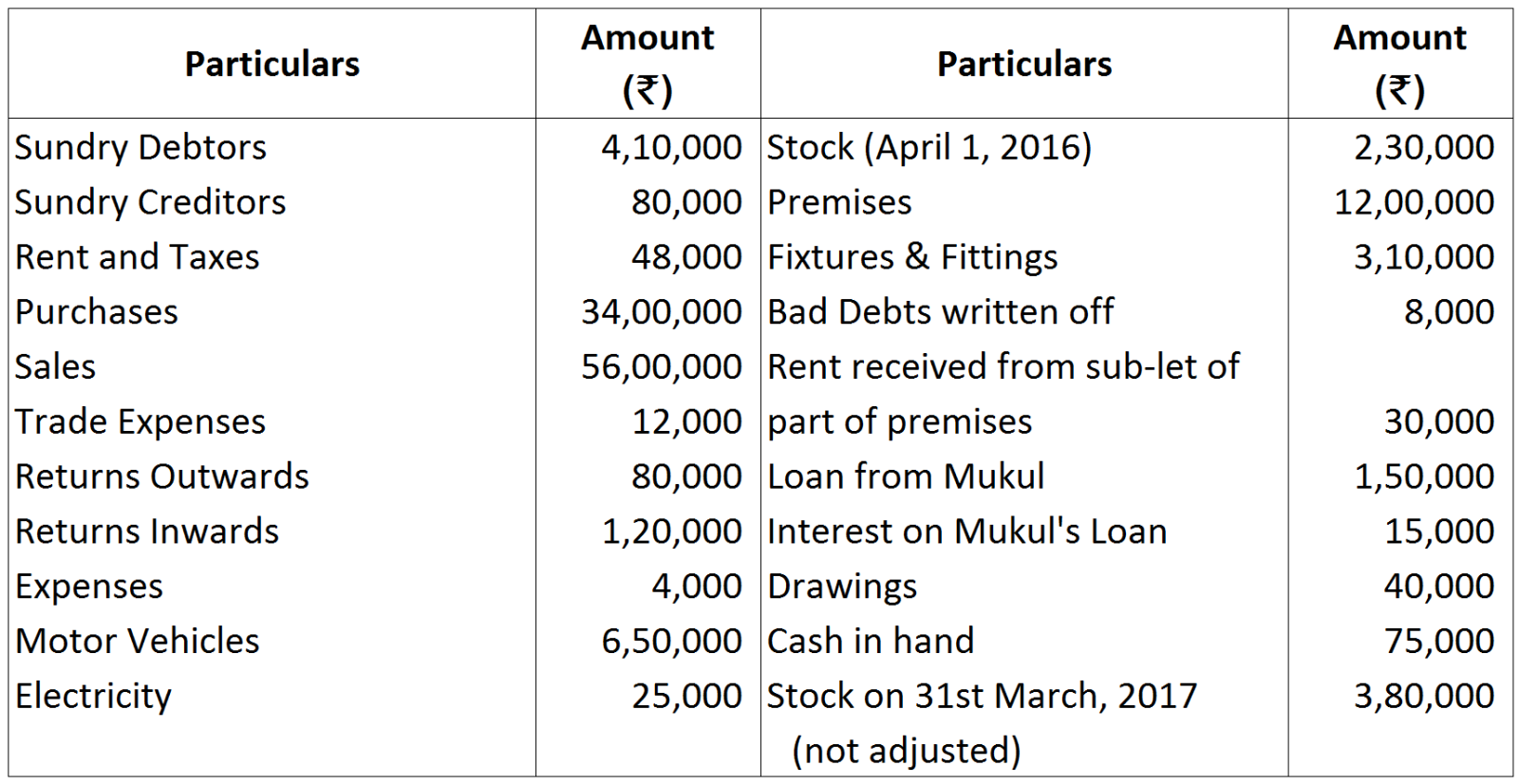
Following balances were extracted from the books of Ravinder Associates as at 31st March, 2017: You are required to prepare the trial balance treating the difference as his capital.
Describe in detail two methods of recording depreciation. Also give the necessary journal entries.
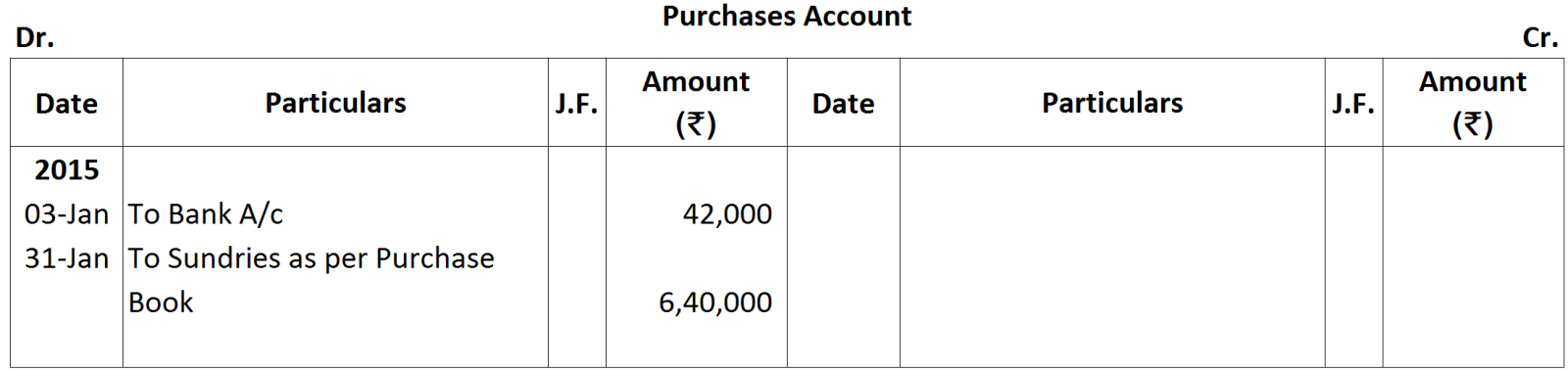
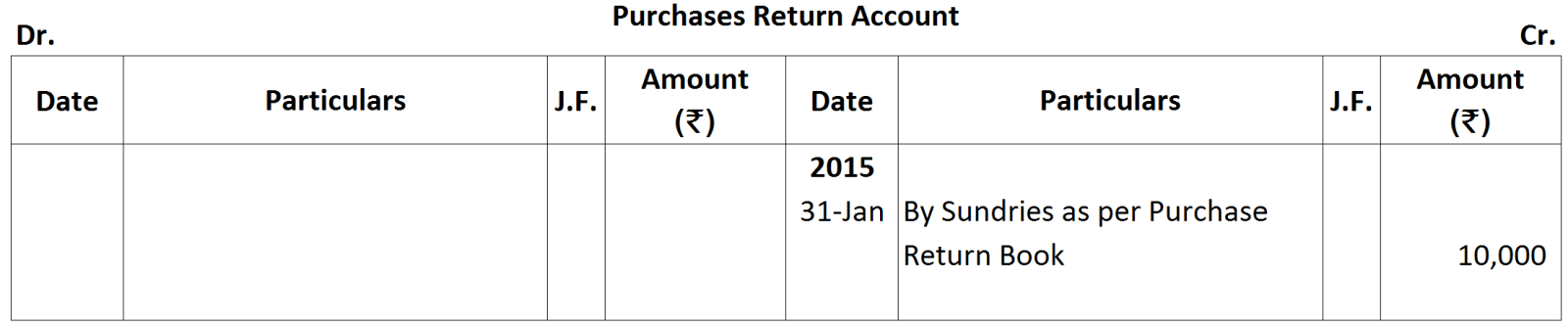
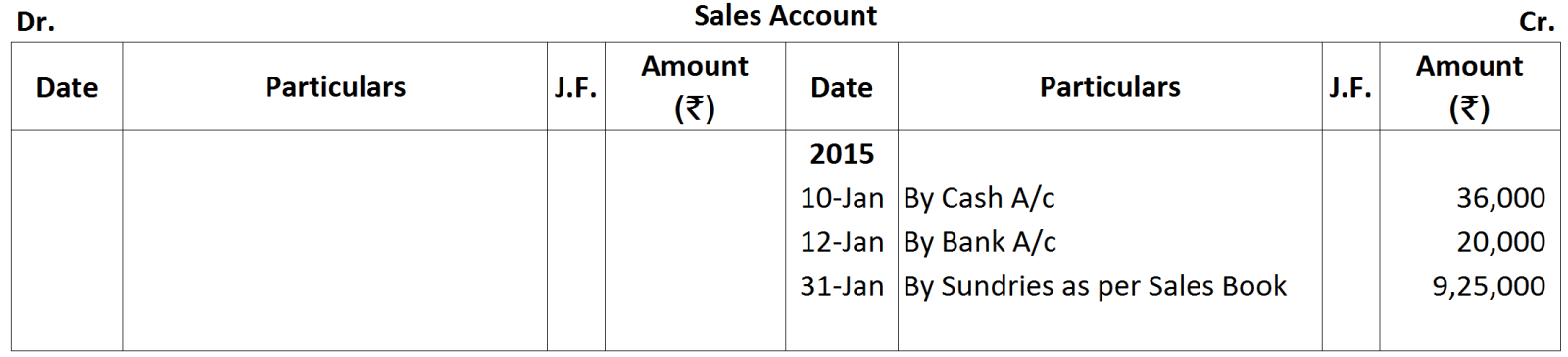
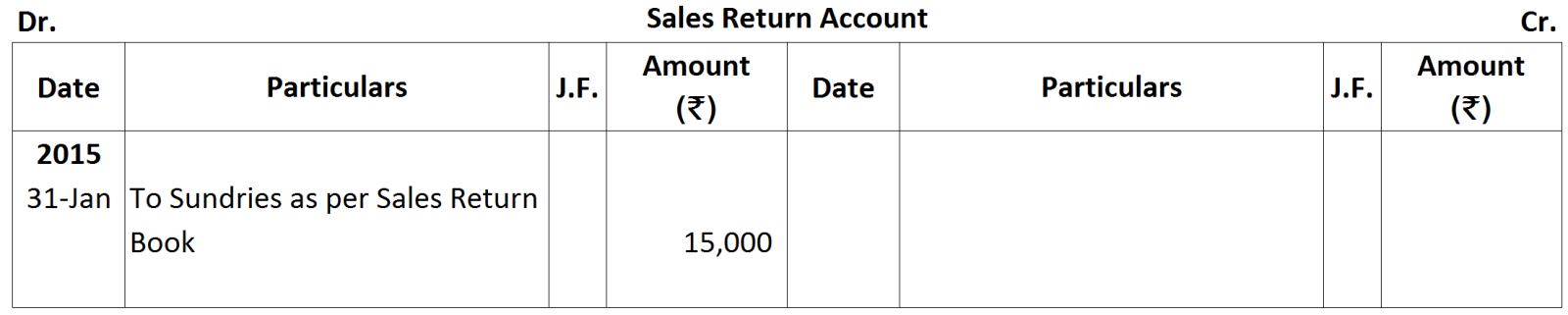
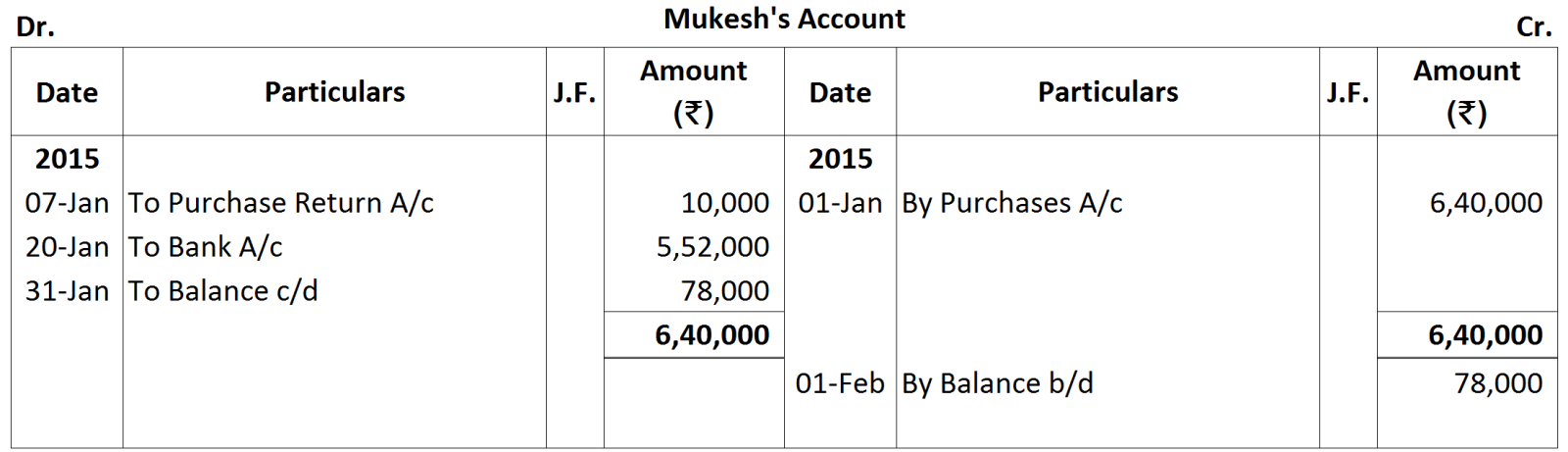
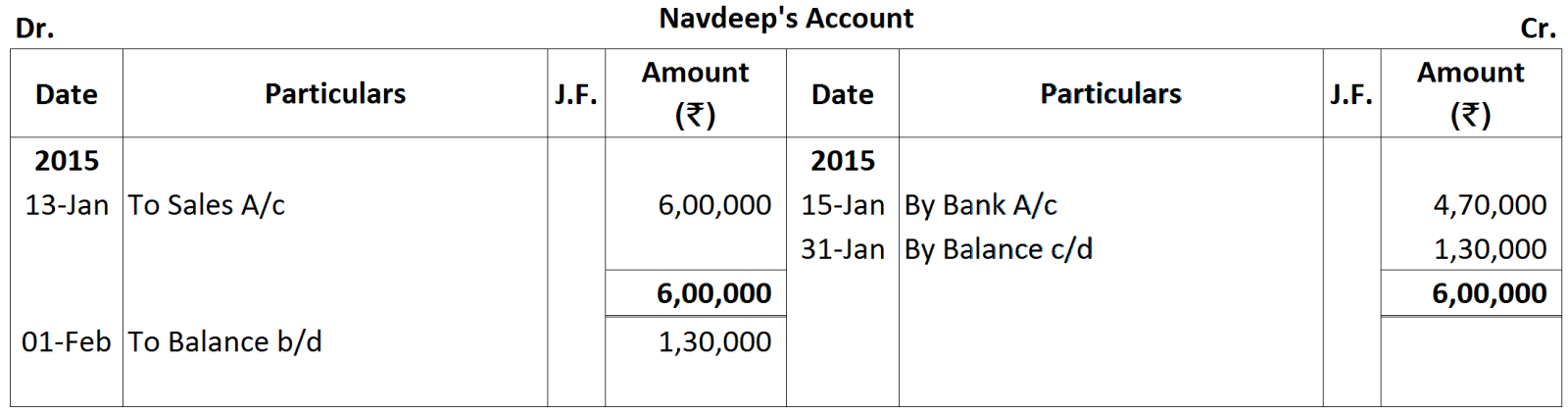
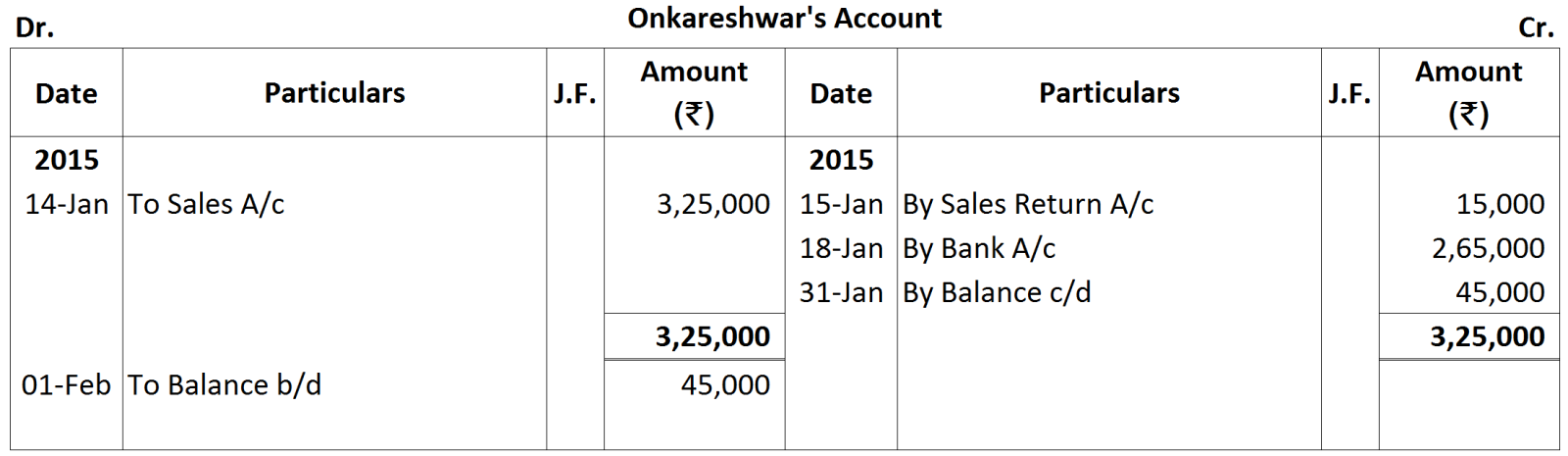
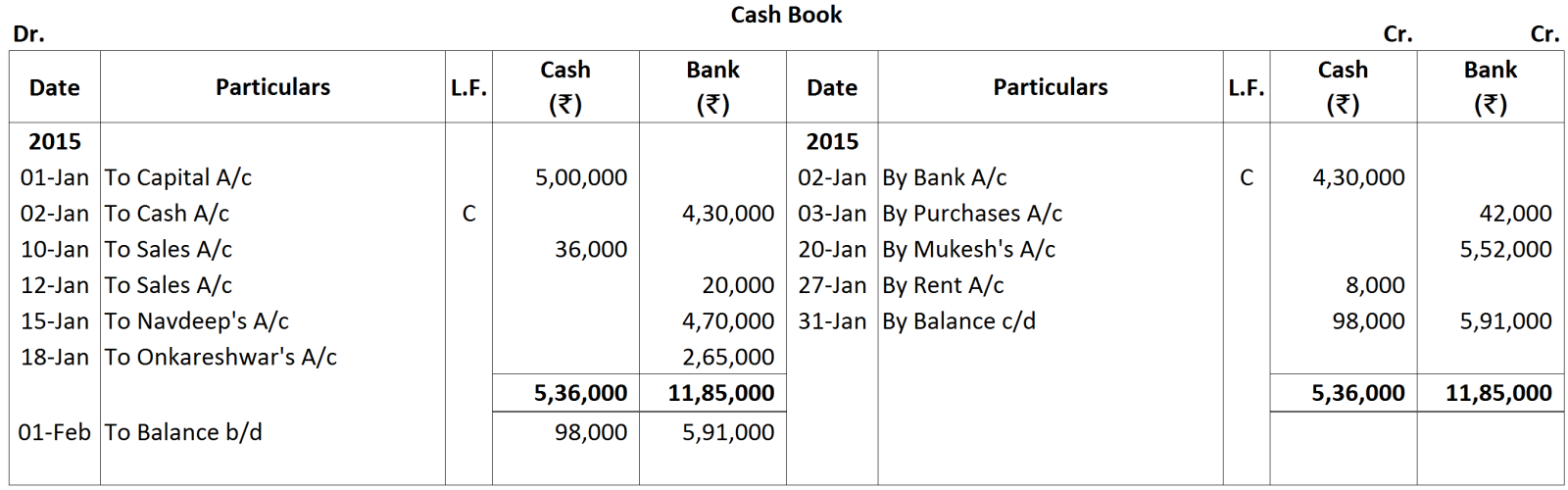
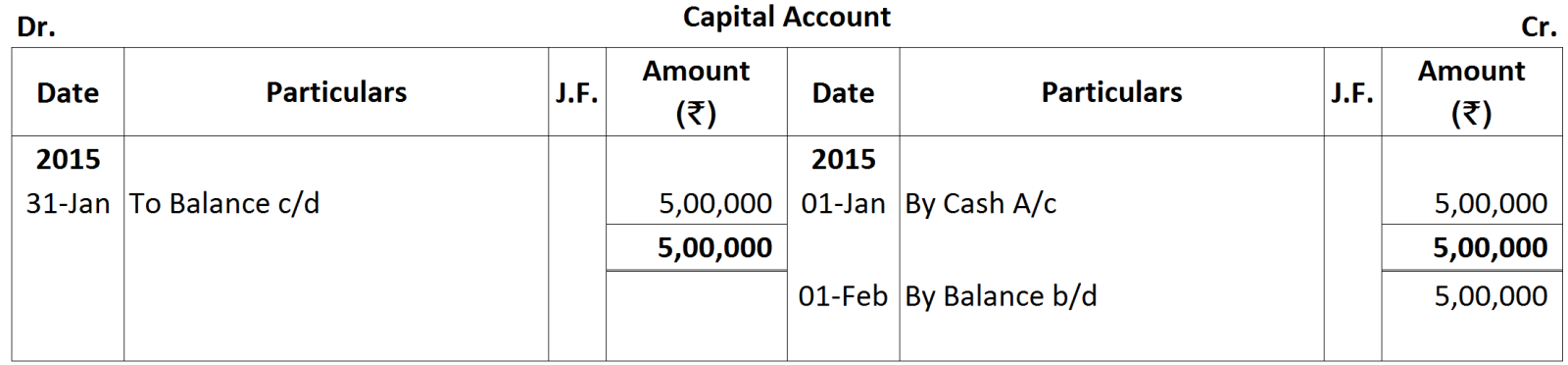
Given below is a Cash Book and Ledger extracts relating to the books of M/s Ram Chander & Sons as at 31st January 2015. You are required to prepare a Trial Balance.