Question
Give a brief account of cartilage.

Answer

Cartilage is compact with widely spaced cells. Its solid matrix is composed of proteins and sugars. The cells of cartilage are called chondrocytes. They don’t have blood vessels.
Cartilage is present in the tip of nose, outer ear joints, between adjacent bones of the vertebral column, limbs and hands in adults. Cartilage smoothens bone surfaces at joints. It provides support and flexibility to the body parts.
Need a full question paper?

Generate a complete, print-ready paper with questions like this in minutes — across 16+ boards, with answer keys.

Start Generating Free

Similar questions

Give reasons for:
Meristematic cells have a prominent nucleus and dense cytoplasm but they lack vacuole.
How does sound from a sound producing body travel through air to reach our ears? Illustrate your answer with the help of a labelled diagram.
Name the three major functional regions of cells. Briefly mention the components of each and explain the function of each.
A stone is dropped from a height of $20m.$
How long will it take to reach the ground?
State the main points of difference between homogeneous and heterogeneous mixtures.
On the basis of shape and functions of cells how epithelial tissues are classified? Explain with diagram the various types of epithelial tissues.
You are provided with a mixture containing sand, iron filings, ammonium chloride and sodium chloride. Describe the procedures you would use to separate these constituents from the mixture?
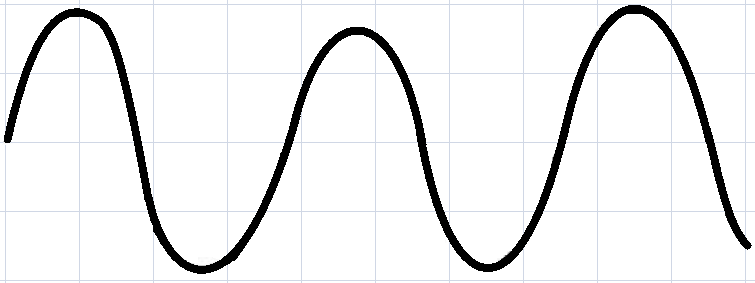
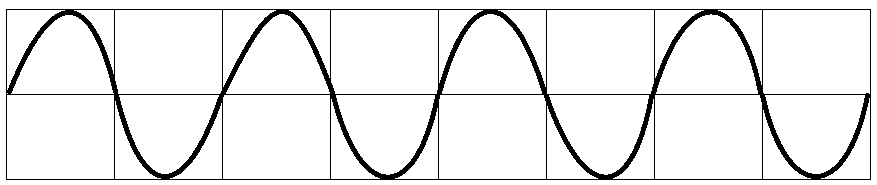
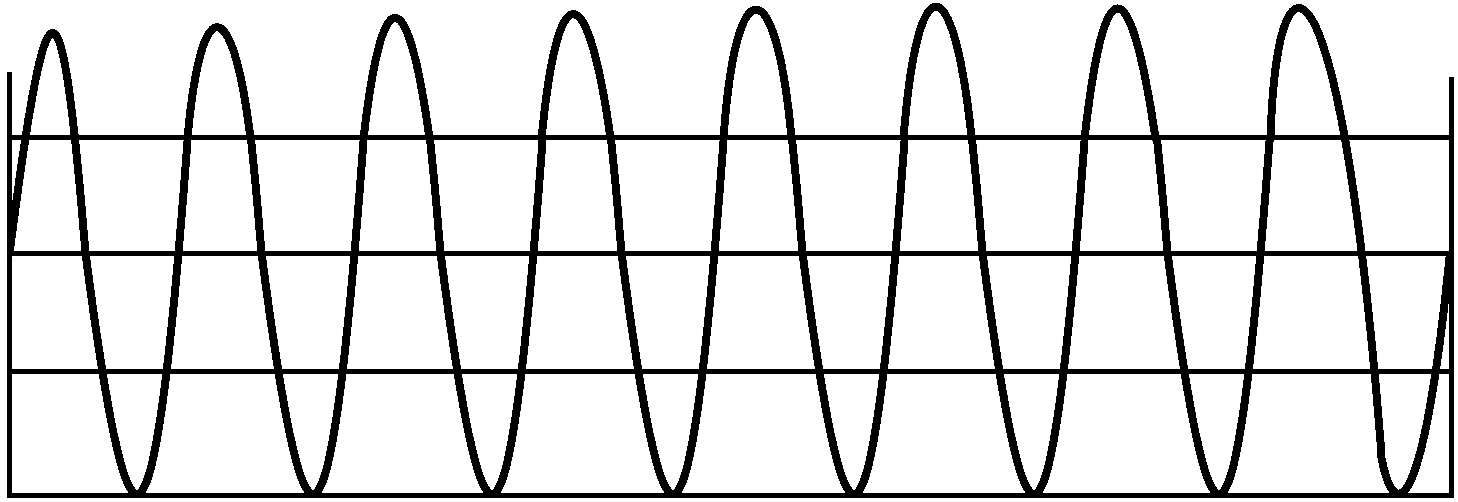
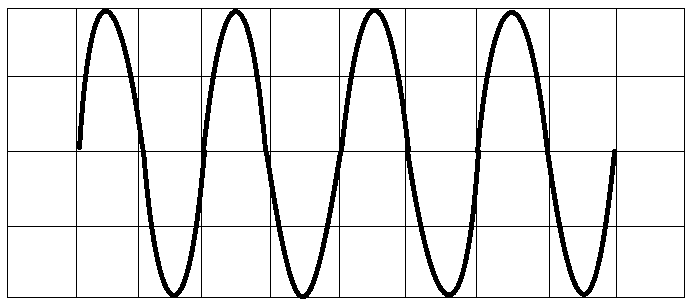
Consider the following sound waves marked A, B, C and D:
  1. Which two waves represent sounds of the same loudness but different pitch?
  1. Which two waves represent sounds of the same frequency but different loudness?
  1. State whether all these sound waves have been produced by the same vibrating body or different vibrating bodies?
  1. Which vibrating body/bodies could have generated the sound waves shown here?
Draw a neat and labelled diagram of the human ear. With the help of this diagram, explain the construction and working of the human ear.
There are three substances X, Y and Z. The substance X does not have a fixed melting point or boiling point and it still shows the individual properties of its constituents. The substance Y is a pure substance which occurs in nature as such. The substance Y has a fixed melting point and boiling point but it cannot be broken down into simpler substances by any chemical means. The substance Z is also a pure substance whose properties are entirely different from those of its constituents. The substance Z can, however, be divided by electrolysis into two substances which belong to the same class of substances as Y.
  1. What type of substance could X be? Name one substance like X.
  2. What type of substance could Y be? Name one substance like Y.
  3. What type of substance could Z be? Name one substance like Z.
  4. Whish process involves absorption or release of an appreciable amount of energy: formation of substance X or formation of substance Z?
  5. Name the three groups into which all the substances like Y are divided on the basis of their properties.