Question
How cancer is detected and diagnosed?

Answer

Cancer detection is based on biopsy and histopathological studies of the tissue, blood and bone marrow tests for increased cell counts in the case of leukemians (blood cancers). Techniques like radiography (use of X-rays), CT (Computed Tomography) and MRI (Magnetic Resonance Imaging) are useful to detect cancers of internal organs. Antibodies against cancer-specific antigens are also used for detection of certain cancers.

Need a full question paper?

Generate a complete, print-ready paper with questions like this in minutes — across 16+ boards, with answer keys.
Start Generating Free

Similar questions

Enzymes play an important role in detergents that we use for washing clothes. These enzymes are obtained from some unique microorganisms, enlist atleast two of them. Also name the enzyme.
Plasmodium falciparum is the causative agent of the most severe form of malaria. It is distributed throughout the tropics. Explain why malaria is restricted to the tropics?
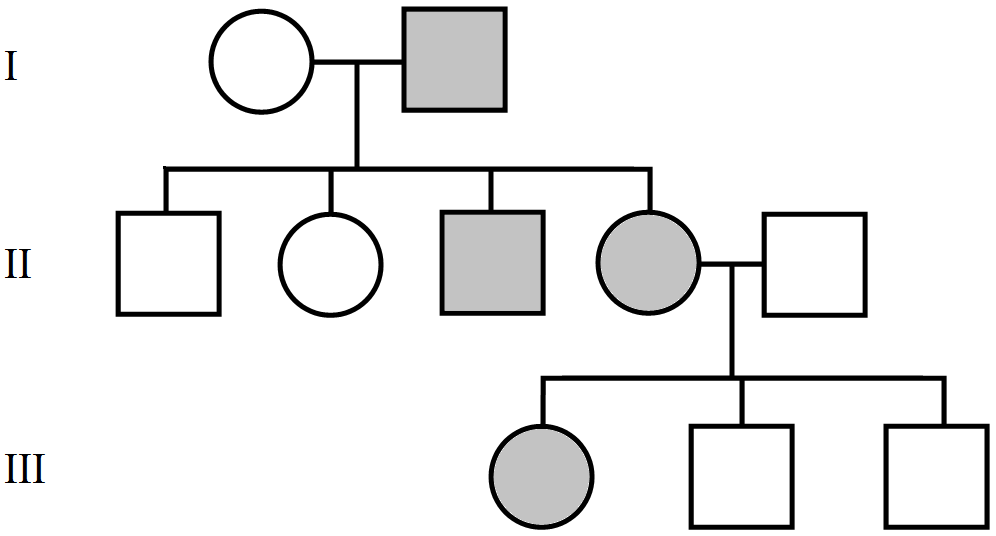
Study the given pedigree chart and answer the questions that follow:

  1. Is the trait recessive or dominant?
  2. Is the trait sex-linked or autosomal?
  3. Give the genotypes of the parents shown in generation I and their third child shown in generation II and the first grandchild shown in generation III.
  1. Name the respective forms in which the malarial parasite gains entry into
  1. Human body
  2. Body of female Anopheles
  1. Name the hosts where the sexual and the asexual reproductions of malarial parasite occur respectively.
  2. Name the toxin responsible for the appearance of symptoms of malaria in humans. Why do these symptoms occur periodically?
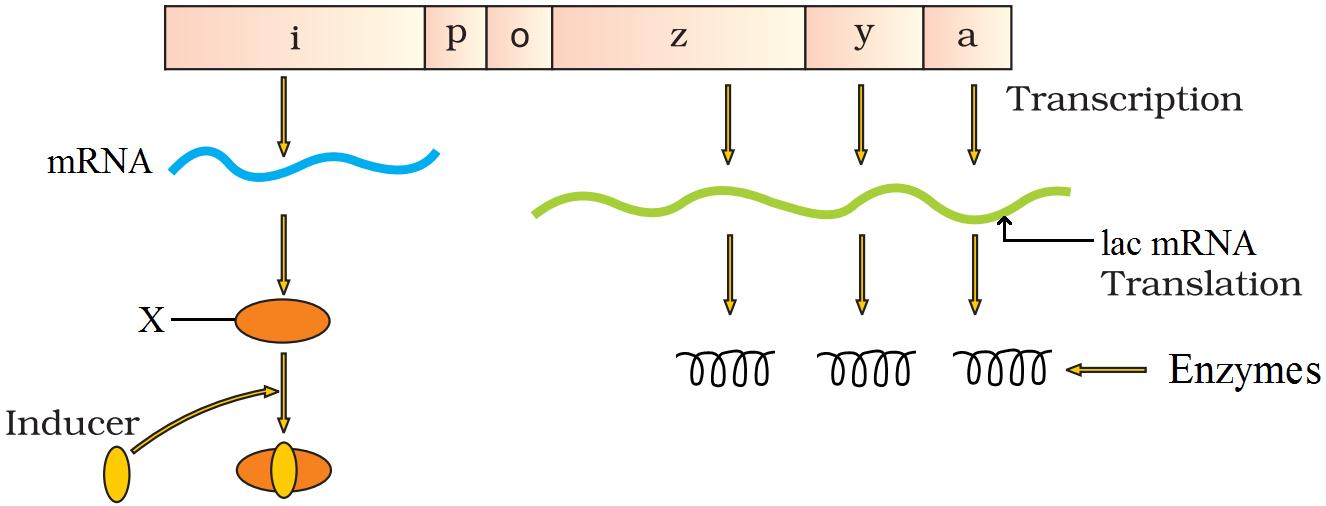
Study the figure given below and answer the following questions.

  1. Name the molecule 'X' synthesised by i gene. How does this molecule get inactivated?
  2. Which one of the structural genes codes for B-galactosidase?
  3. When will the transcription of this gene stop?
Write a note on heteronuclear RNA and small nuclear RNA.
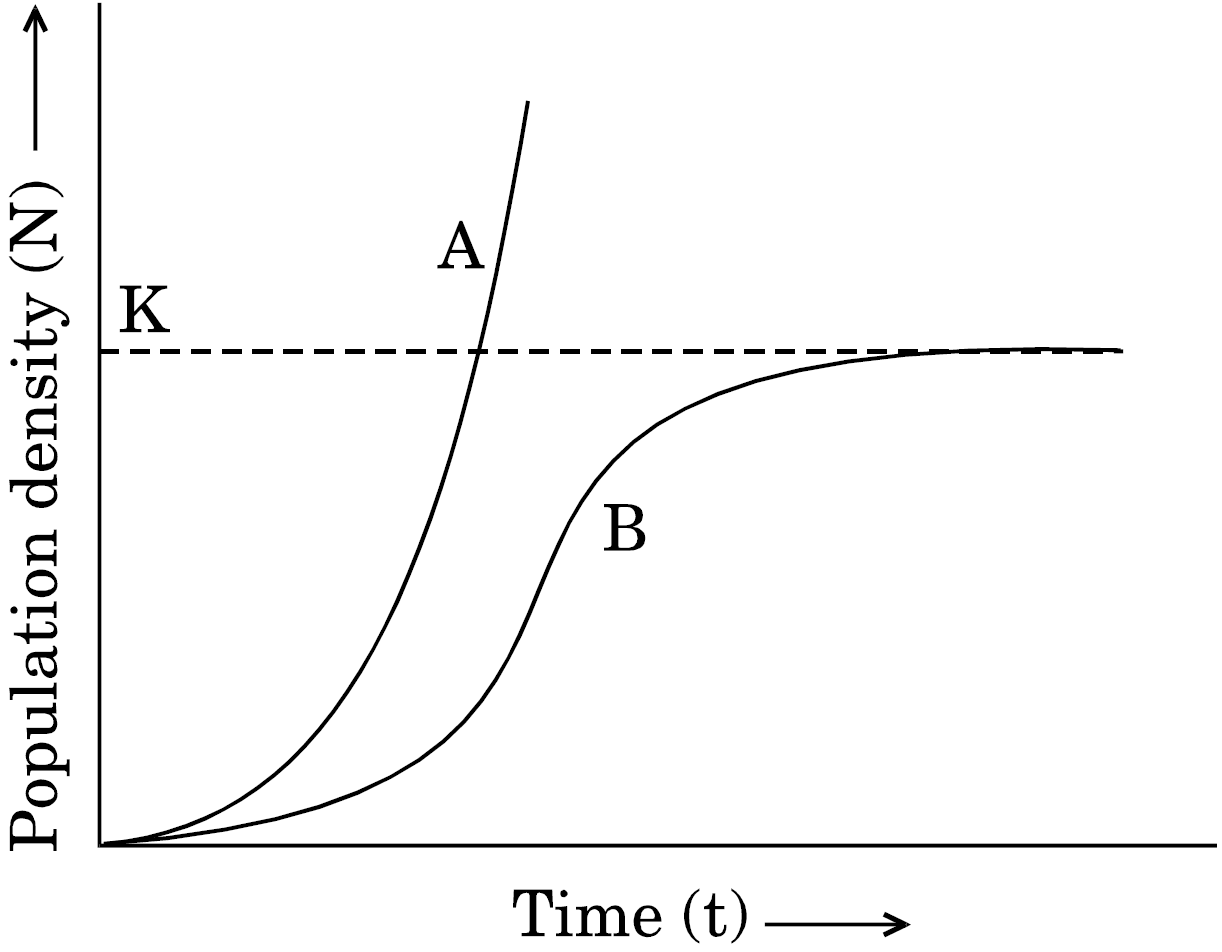
Study the population growth curve given below and answer the questions that follow:

  1. Identify ‘A’ and ‘B’ shown in the graph.
  2. When and why do such curves occur in a population?
Sperms have a tail whereas egg does not, why?
Now, sequencing of total genomes getting is getting less expensive day by the day. Soon it may be affordable for a common man to get his genome sequenced. What in your opinion could be the advantage and disadvantage of this development?
What are sacred groves and their role in biodiversity conservation?