Question
Sketch and label formation of typical spinal nerve.

Answer

Get the step-by-step solution for this question inside the Vidyadip app.

Get the answer in the app

Need a full question paper?

Generate a complete, print-ready paper with questions like this in minutes — across 16+ boards, with answer keys.
Start Generating Free

Similar questions

  1. List the two methodologies which were involved in human genome project. Mention how they were used.
  2. Expand ‘YAC’ and mention what was it used for.
With the help of diagram show arithmetic growth and geometric growth.
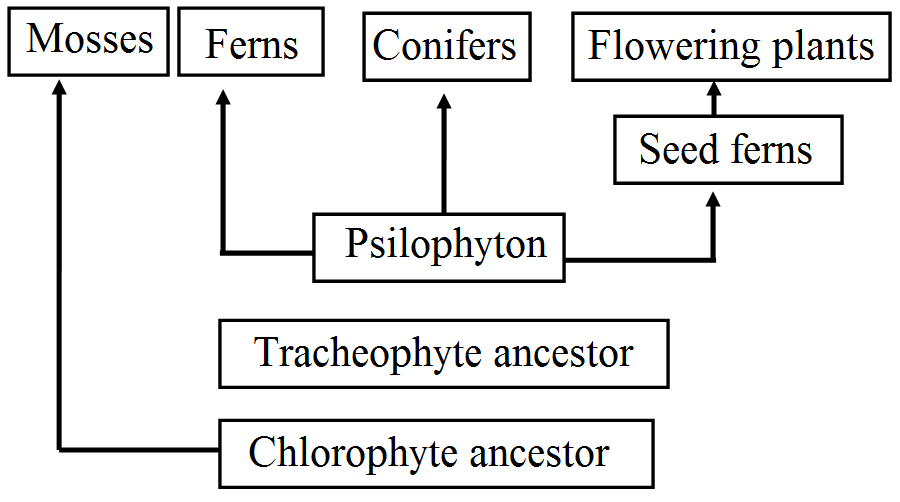
Study the schematic representation of evolutionary history of plant forms given below and mention:
  1. The plant form Ferns and Conifers are most related to.
  2. The nearest ancestors of flowering plants.
  3. The most primitive group of plants
  4. Common ancestry Psilophyton provides to.
  5. The common ancestors of Psilophyton and seed ferns.
  6. The common ancestors of mosses and tracheophytes.
With the revolution in information technology, now it has become an integral part of everybody's live, living in rural and urban India. You are asked to address the gathering of students of eco-clubs of your neighbourhood schools on generation and management of e-waste.
  1. Write how e-waste is generated.
  2. Explain how would you address the awareness issue of e-waste management amongst the students.
  3. How have the developed countries exploited the developing countries with respect to e-waste managements?

Classify the following disorders of respiratory system given below as per Column A and complete Column ‘B’. Select from the given options:
(i) Pneumonia
(ii) Asbestosis
(iii) Emphysema
(iv) Laryngitis
(v) Chronic bronchitis
(vi) Silicosis

Column AColumn B
(1) Occupational disorders————
(2) Disorders due to smoking and air pollution————
(3) Disorders due to viruses and bacteria————
The pyramid of biomass in the sea is inverted.
Mention any four benefits of biogas.
State any two structural differences and one functional difference between DNA and rRNA.
Differentiate between Parthenocarpy and Parthenogenesis. Give one example of each.
Study the figure given below and answer the questions that follow:
  1. Name the stage of human embryo the figure represents.
  2. Identify 'a' in the figure and mention its function.
  3. Mention the fate of the inner cell mass after implantation in the uterus.
  4. Where are the stem cells located in this embryo.