Question
State any two objectives of analysis of financial statements.

Answer

  1. To Measure the Earning Capacity or Profitability: According to Robert Anthony, "The overall objective of a business is to earn a satisfactory return on the
    funds invested in it, consistent with maintaining a sound financial position." Financial analysis helps in ascertaining whether adequate profits are being earned on the capital invested in the business. It is also disclosed by analysis of financial statements whether these profits are increasing or decreasing over the years. For this purpose, the financial statements of a few years are taken into account to compute the change in profits over the years. Such analysis helps in ascertaining the future profit ability or earning capacity of the business.
  2. To Measure the Solvency: It can be ascertained from financial analysis whether the business is in a position to pay its short-term and long-term liabilities in time. For example, the liquidity ratios ( current ratio and quick ratio) are calculated to ascertain whether the business enterprise has sufficient liquid funds to meet its short term liabilities and Debt Equity. Ratio is calculated ascertain wether the business enterprise has got the ability repay the long term liabillties.

Need a full question paper?

Generate a complete, print-ready paper with questions like this in minutes — across 16+ boards, with answer keys.
Start Generating Free

Similar questions

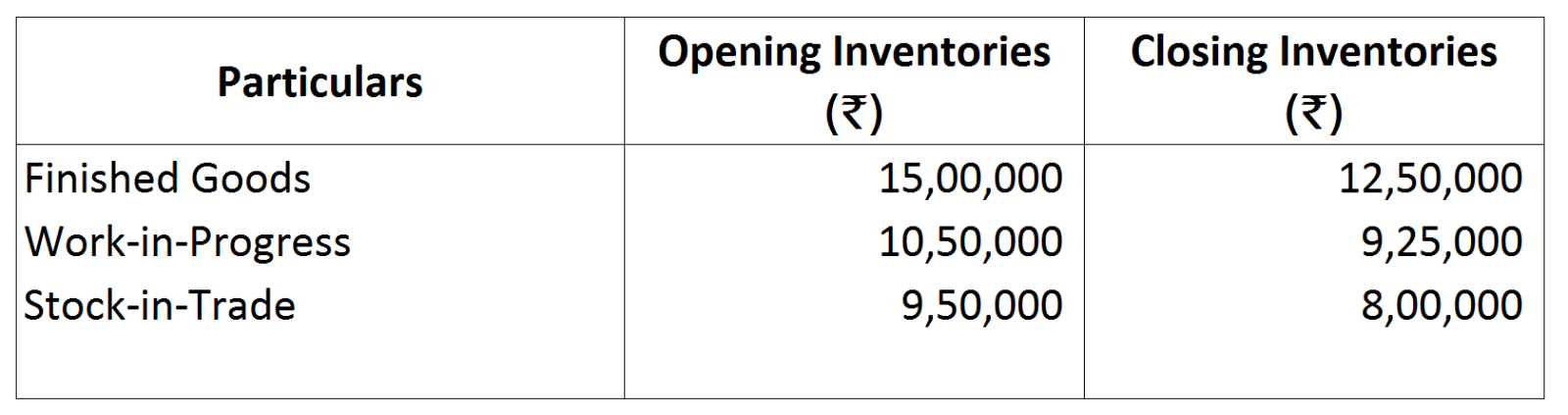
From the following information of Manchur Ltd. for the year ended 31st March, 2018, calculate amount that will be shown in the Note to Accounts on Changes in Inventories of Finished Goods, WIP and Stock-in-Trade:
How would you show the following items in a Company's Balance Sheeet:
Particulars
Vehicles
50,00,000
Office Equipment
10,00,000
Trade Marks
2,00,000
Computer Software
6,00,000
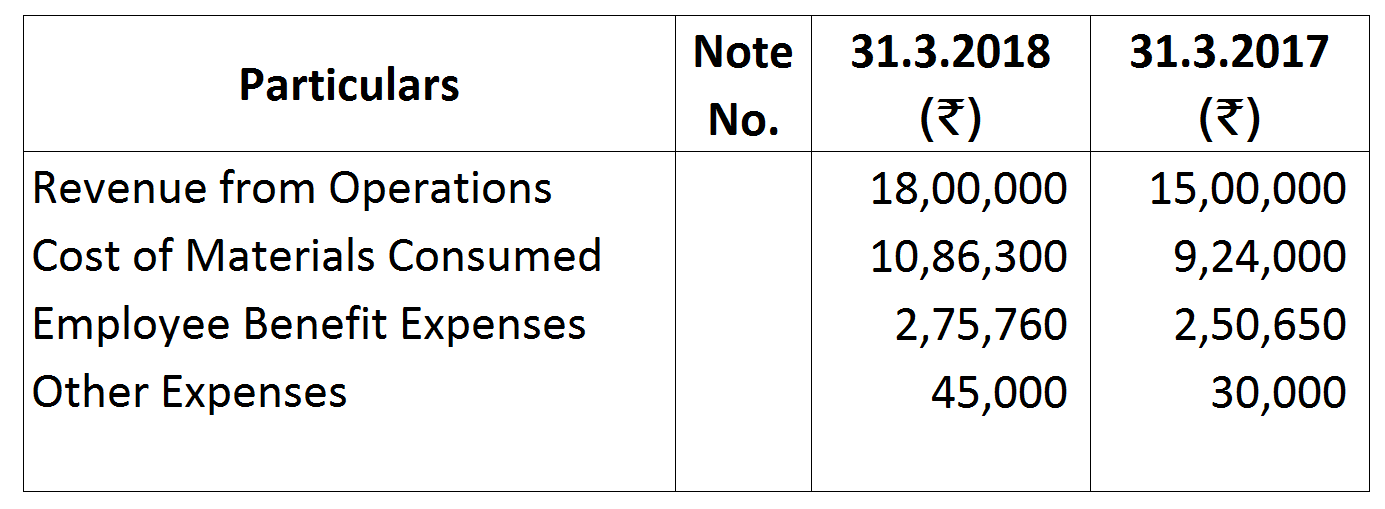
Prepare a Common Size Statement of Profit & Loss of X Ltd. from the following information:
Briefly explain the meaning and significance of any two of the following ratios:
  1. Gross Profit Ratio.
  2. Quick Ratio.
  3. Inventory Turnover Ratio
State with reason whether the following transactions will increase, decrease or not change the 'Return on Investment' Ratio:
  1. Purchase of machinery worth ₹ 10,00,000 by issue of equity shares.
  2. Charging depreciation of ₹ 25,000 on machinery.
  3. Redemption of debentures by cheque ₹ 2,00,000.
  4. Conversion of 9% Debentures of ₹ 1,00,000 into equity shares.
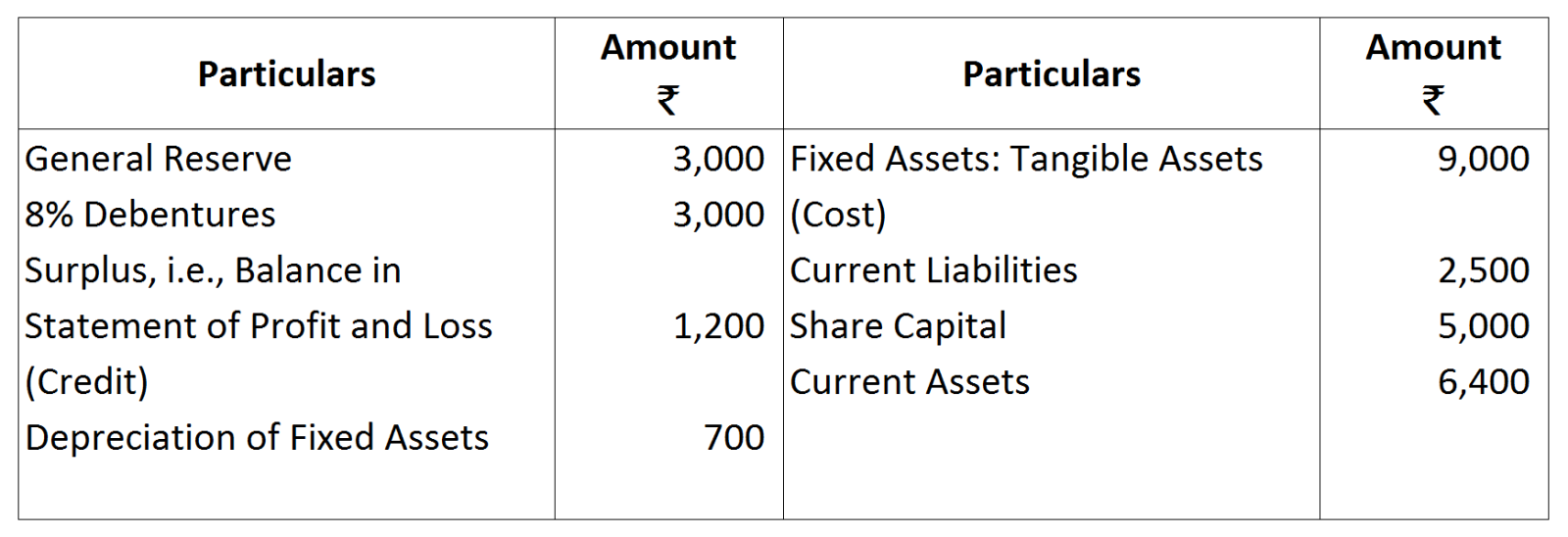
Prepare Balance Sheet of VT Ltd. as at 31st March, 2018, from the following information as per Schedule III, Part I of the Companies Act, 2013:
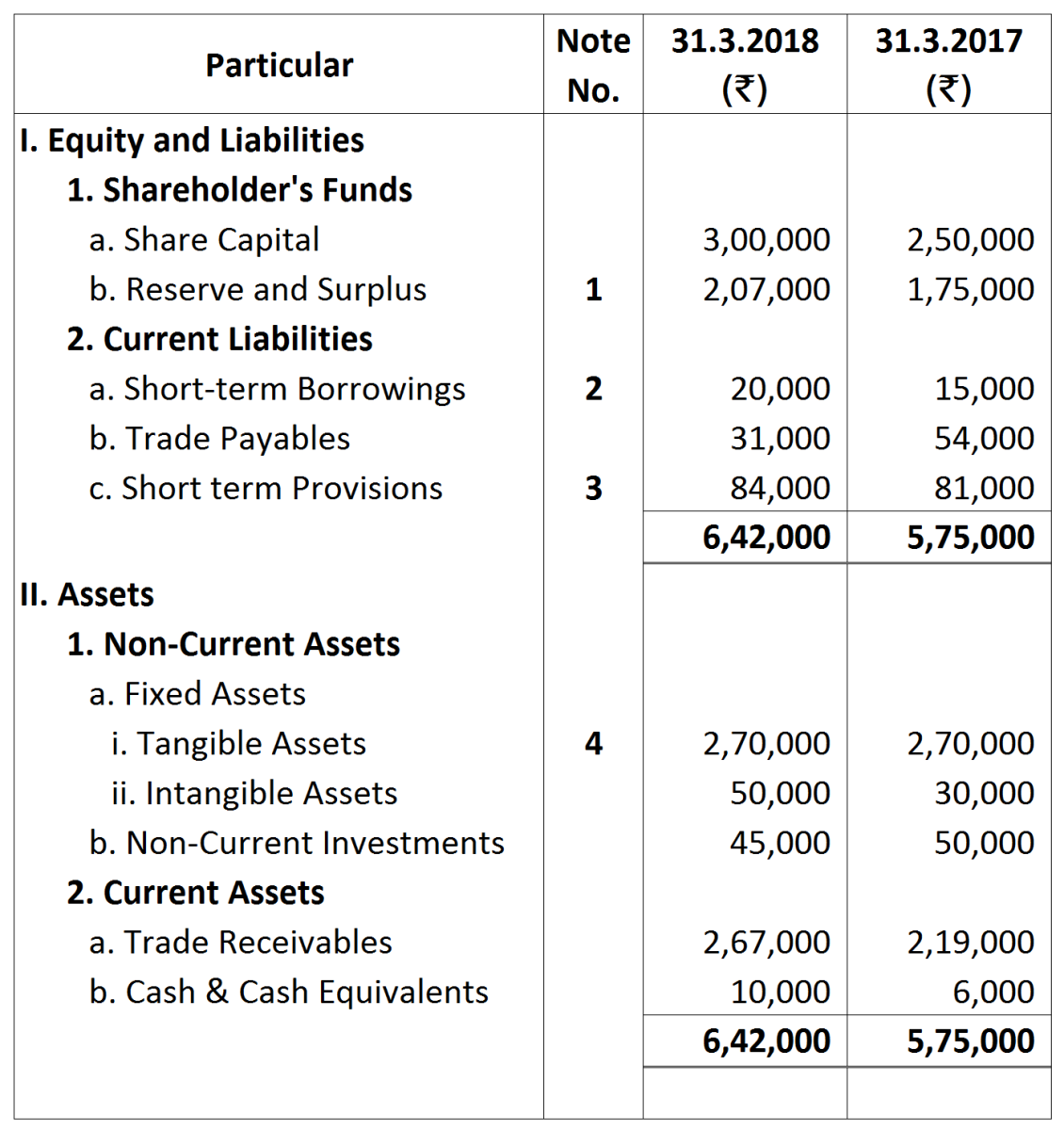
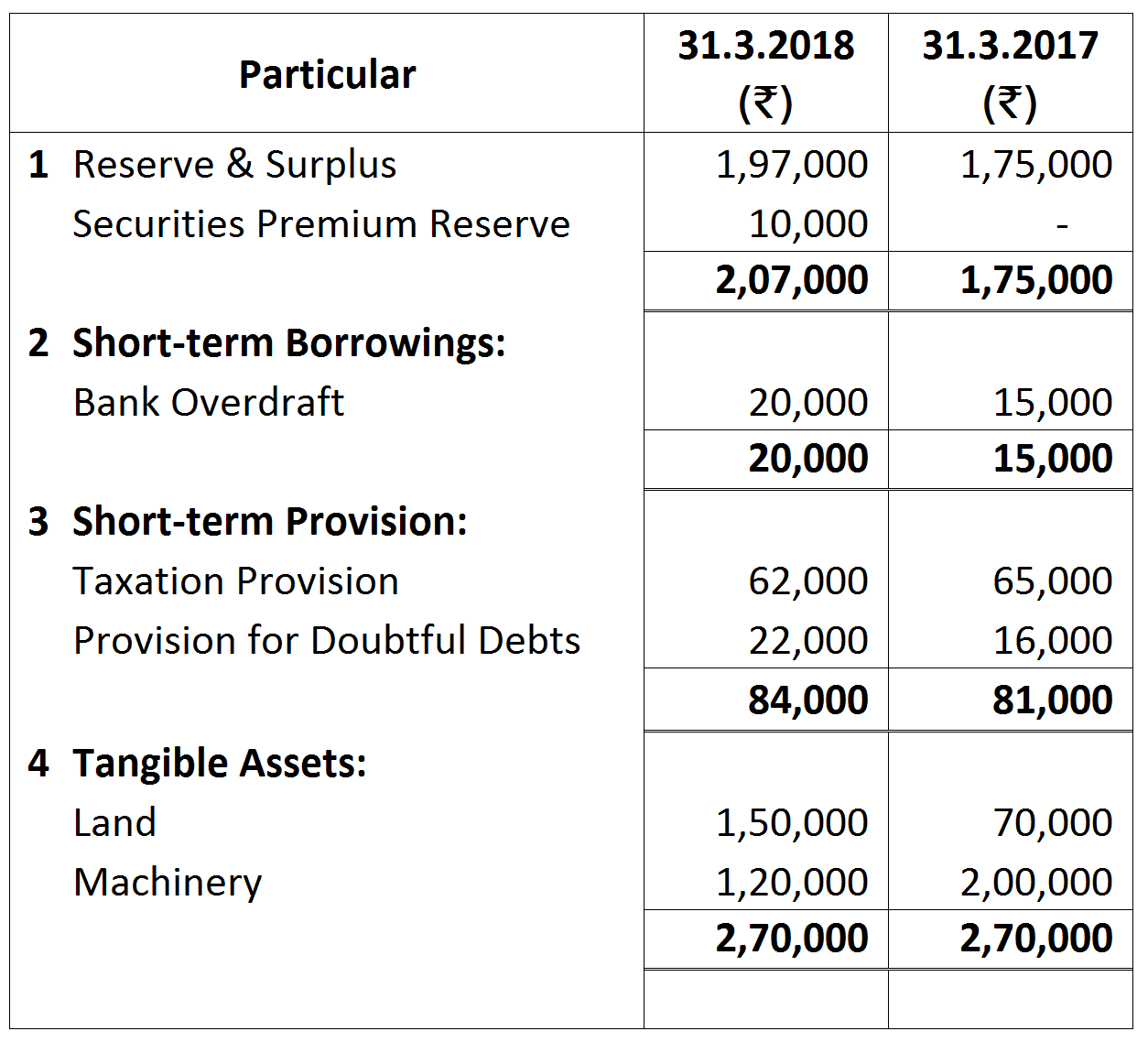
Following are the Balance Sheets of Pawan Ltd.

Notes:

Additional Information:
  1. Machinery Costing ₹ 60,000 was sold for ₹ 18,000 during the year.
  2. Interim Dividend paid during the year ₹ 25,000.
  3. During the year Company sold 40% of its original non-current investments at a loss of 20%.
You are required to prepare Cash-Flow Statement.
Global Ltd.issued 10,000, 8% Debentures of ₹ 100 each redeemable at the end of 3 years at a premium of ₹ 9.
Pass the journal entries for writing off the Loss on Issue of Debentures. Also prepare Loss on Issue of Debentures Account.
Amrit Ltd. issued 50,000 shares of ₹ 10 each at a premium of ₹ 2 per share payable as ₹ 3 on application, ₹ 4 on allotment (including premium), ₹ 2 on first call and the remaining on second call.
Applications were received for 75,000 shares and pro rata allotment was made to all the applicants.
All moneys due were received except allotment and first call from Sonu who applied for 1,200 shares. All his shares were forfeited. The forfeited shares were reissued for ₹ 9,600. Final call was not made. Pass necessary Journal entries.
On $1-4-2015$ V.V.L. Ltd issued 1000, $9 \%$ debentures of $₹ 100$ each at a discount of $6 \%$, redeemable at a premium of $10\%$ after three years.
Pass necessary journal entries for the issue of debentures and debenture interest for the year ended $31-3-2016$, assuming that interest is payable on $30^{\text {th }}$ September and $31^{\text {st }}$ March and the rate of tax deducted at source is $10 \%$. The company closes its books on $31^{\text {st }}$ March every year.