Question
State the chief functions of mitochondria.

Answer

Mitochondria perform the following major functions:
  1. Mitochondria are the main site of aerobic respiration, where respiratory substrates are completely oxidised to carbon dioxide and water. The energy liberated in the process is utilised in the synthesis of energy rich molecules ATP.
  2. They have a group of enzymes that carry out elongation of fatty acids of adding acetyl Co-A and subsequently reducing the keto-acid and produced.
  3. The matrix of mitochondria has enzymes for the synthesis of fatty acids.

Need a full question paper?

Generate a complete, print-ready paper with questions like this in minutes — across 16+ boards, with answer keys.
Start Generating Free

Similar questions

List out the differences between Monera and Protista.
Describe the following as asked against each:
  1. Gizzard in cockroach: Function
  2. Open type of vascular system: One example
  3. Heart: Name of tissue.
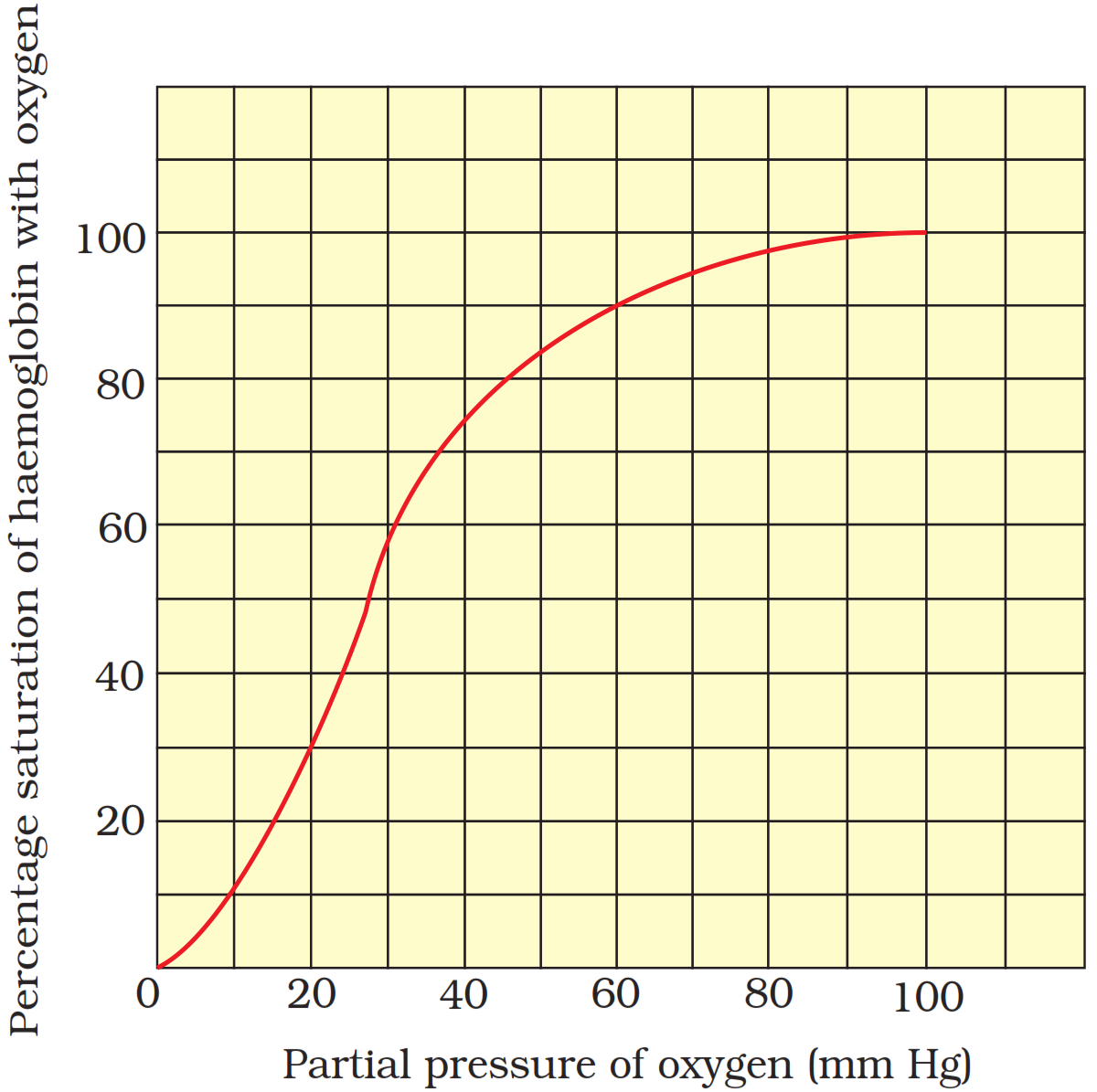
Study the curve given below and answer the questions asked:


  1. What is this curve known as?
  2. What does 'C' depict in the curve?
  3. The effect of which factors can be studied with the help of this curve?
Define the following:
  1. Respiration.
  2. Respiratory substrate.
  3. How does a tree trunk exchange gases with the environment although it lacks stomata?
  4. Which is the most important energy carrier? Is this compound mobile?
  5. Name the major respiratory substrates used by most organisms. It unavailable at time, what other substances can be used for respiration?
Briefly describe the life cycle phases of fungi.
Biology teacher was teaching cell cycle in the class. She taught that cell is the basis from which life exists. Also explained well about cell cycle. Robin who was a bright student was facing difficulties in understanding the topic he reached home and asked her sister who is a student of biology in a college about details of cell cycle and cell theory. She explained him that according to cell theory, cells arise from pre-existing cells and the process involved is cell division. Sexually reproducing organisms start their life from a single cell, called zygote, and cell divisions do not stop with the formation of a mature organism, but continue throughout the life.
  1. What is meant by cell cycle?
  2. Which is the actual phase of cell division?
  3. When (at what phase) do the cell organelles duplicate?
  4. What values are reflected from the Robin's concern?
Draw a diagram showing coelomate, acoelomate and pseudocoelomate in transverse section. 
What are Casparian strips? Write any two differences in the epidermis of monocotyledon and dicotyledon leaves.
Explain the following terms:
  1. Vernalisation.
  2. Photoperiodism.
  3. Differentiation.
Write the characteristics of heartwood and sapwood.