Question
What are called pathogens? Give information about it? (with example).

Answer

Many organisms like bacteria, viruses, fungi, parasites, worms are responsible for causing diseases in humans. Such disease causing organisms are called pathogens.
All parasites are pathogenic because they harm the host by staying in or on it. Pathogens enter our body in many ways, multiply, disturb our essential functions.
As a result, external and functional impairment occurs.
Pathogen has to adapt its life according to the internal environment of the host.
Shows ability to survive in pH (<7) and resist various digestive enzymes.
Examples:
 DiseasePathogens
1TyphoidSalmonella typhi
2PneumoniaStreptococcus pneumoniae, Haemophilus influenzae
3Common coldRhino viruse
4MalariaPlasmodium species
5AscariasisAscaris lumbricoid
6Elephantiasis/ FilariasisWuchereria bancrofti
7Ringwormmicrosporum, trichophyton & Epidermophyton
 

Need a full question paper?

Generate a complete, print-ready paper with questions like this in minutes — across 16+ boards, with answer keys.
Start Generating Free

Similar questions

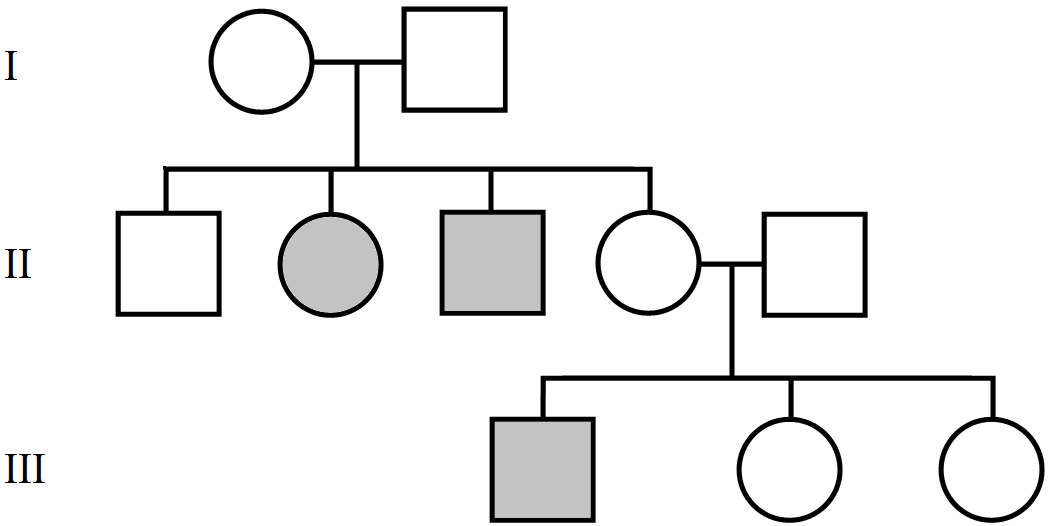
Study the given pedigree chart and answer the questions that follow.

  1. Is the trait recessive or dominant?
  2. Is the trait sex linked or autosomal?
  3. Give the genotypes of the parents in generation I and of their third and fourth child in generation II.
  1. Why is human ABO blood group gene considered a good example of multiple alleles?
  2. Work out a cross up to F1 generation only, between a mother with blood group B (Homozygous). Explain the pattern of inheritance exhibited.
  1. Why do the symptoms of malaria not appear immediately after the entry of sporozoites into the human body, when bitten by female Anopheles? Explain.
  2. Give the scientific name of the malarial parasite that causes malignant malaria in humans.
Inheritance pattern of ABO blood groups in humans shows dominance, codominance and multiple allelism. Explain each concept with the help of blood group genotypes.
Explain the zygote intra fallopian transfer technique (ZIFT). How is intra uterine transfer technique (IUT) different from it?
  1. Explain the steps involved in in vitro fertilisation, popularly known as test tube baby programme.
  2. State the importance of this programme.
What is community health? Write any seven important functions performed by community health centres.
What essential features must be present in a cloning vehicle/ cloning vector?
Answer the following questions:
Mention any four strategies adopted by flowering plants to prevent self-pollination.
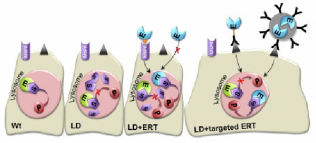
The image below eleborates enzyme-replacement therapy.
Image
i. Explain enzyme-replacement therapy to treat adenosine deaminase deficiency.
ii. Mention two disadvantages of this procedure.