Question
What is humus? Mention its properties.

Answer

Humus is a dark-coloured, amorphous substance accumulated by the process of humification during decomposition of detritus.

Properties:

  1. It is highly resistant to microbial action and undergoes decomposition at an extremely slow rate.
  2. Being colloidal in nature, it serves as a reservoir of nutrients.
  3. It improves the water-holding capacity of soil.

Need a full question paper?

Generate a complete, print-ready paper with questions like this in minutes — across 16+ boards, with answer keys.
Start Generating Free

Similar questions

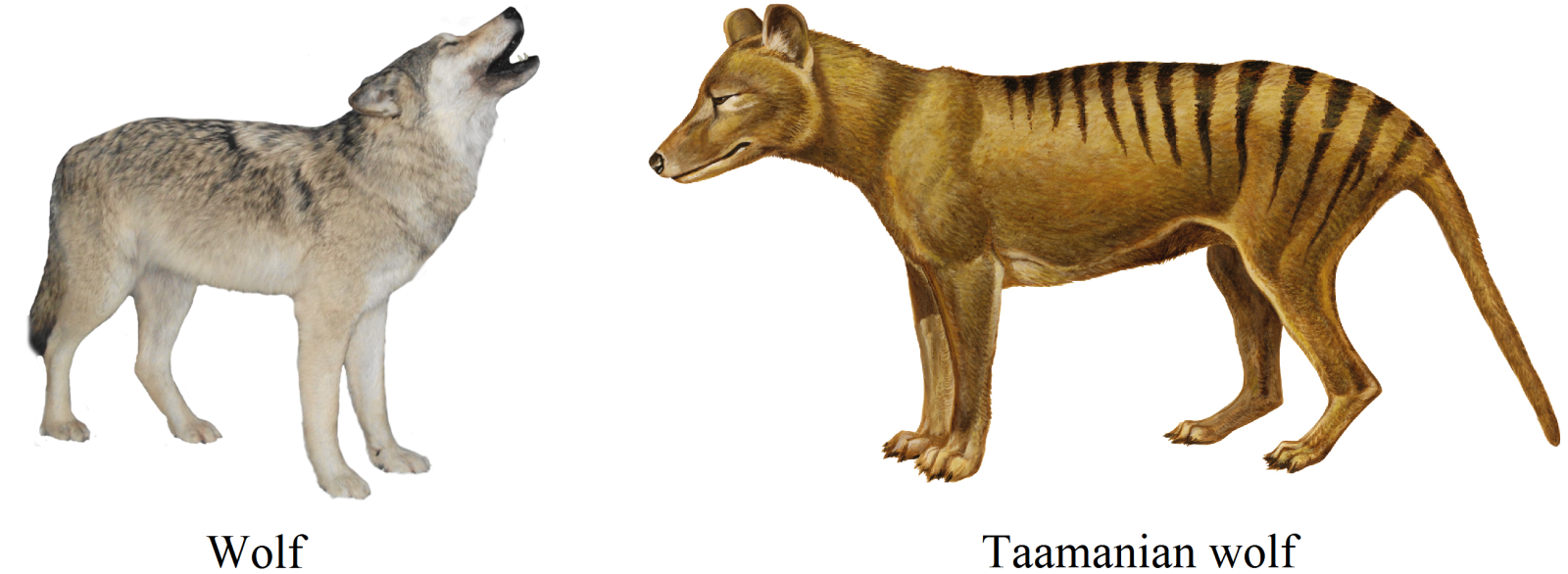
Refer to the figure given below and answer the questions that follow:

  1. Recognize and explain the process by which Tasmanian wolf evolved.
  2. Give one example of an animal that has evolved along with Tasmanian wolf.
  3. Compare and contrast the two animals shown?
What is an incomplete ecosystem? Explain with the help of suitable example.
How is a cancerous cell different from normal cell?
What are the periods in Palaeozoic era and name the plant group that appeared in each of them?
Do you agree that regional and local variations exist within each biome? Substantiate your answer with suitable example.
Write a note on cultural and religious importance of biodiversity Which type of conservation measures, in situ or ex-situ will help the larger number species to survive? Explain.
It is established that RNA is the first genetic material. Explain giving three reasons.
To which category of cells do B-cells and T-cells belong? How do they differ from each other with reference to their formation and response to antigens?
  1. Why do the symptoms of malaria not appear immediately after the entry of sporozoites into the human body when bitten by female Anopheles? Explain.
  2. Give the scientific name of the malarial parasite that causes malignant malaria in humans.
With respect to Messelson and Stahl’s Experiment, answer the following questions:
  1. Identify the method used to distinguish between heavy and light isotopes of nitrogen.
  2. With the help of diagrams, compare the results for the DNA isolated after 20 minutes of experiment with the DNA which was isolated after 40 minutes.