Demand pull inflation refers to a situation in which prices rise because the demand for goods and services exceeds their total supply available at current prices. It is also known as
'excess demand inflation'. Excess demand means aggregate real demand for output in excess of maximum possible output or full employment output at the current price level. Thus, demand pull inflation may be defined as a situation where the aggregate demand exceeds the economy's ability to supply the goods and services at the current prices, so that the prices are pulled up by the excess demand. That is why it is called demand pull inflation.
Causes of Demand Pull Inflation. Demand pull inflation is mainly caused by the following factors :
(i)
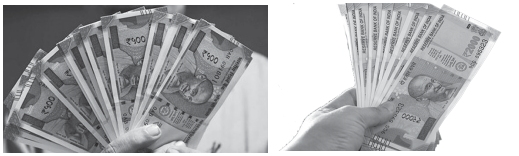
Increase in Money Supply : The first major cause of demand pull inflation is increase in the supply of money which leads to increase in aggregate demand. Supply of money includes currency with the public and demand deposits at banks. This is money in spendable form. Demand deposits at banks can be withdrawn at any time and hence act as medium of exchange.
(ii)
Increase in Disposable Income : When the disposable income of the people increases it raises their demand for goods and services leading to demand pull inflation.
(iii)
Increase in Population : Increase in population is another major cause responsible for rise in prices. Increase in population means increased demand for consumer goods. It increases the aggregate demand for goods and services and puts pressure on the existing supply of goods and services.
(iv)
Increase in Export Demand : Expansion in foreign demand as a result increase in exports will raise the incomes of poor people. This will push up demand for goods and services within the country.
(v)
High Rate of Investment : The heavy investments made by the government as well as private industrialists have resulted in continuous increase in the prices of capital goods and other items of production.