Question
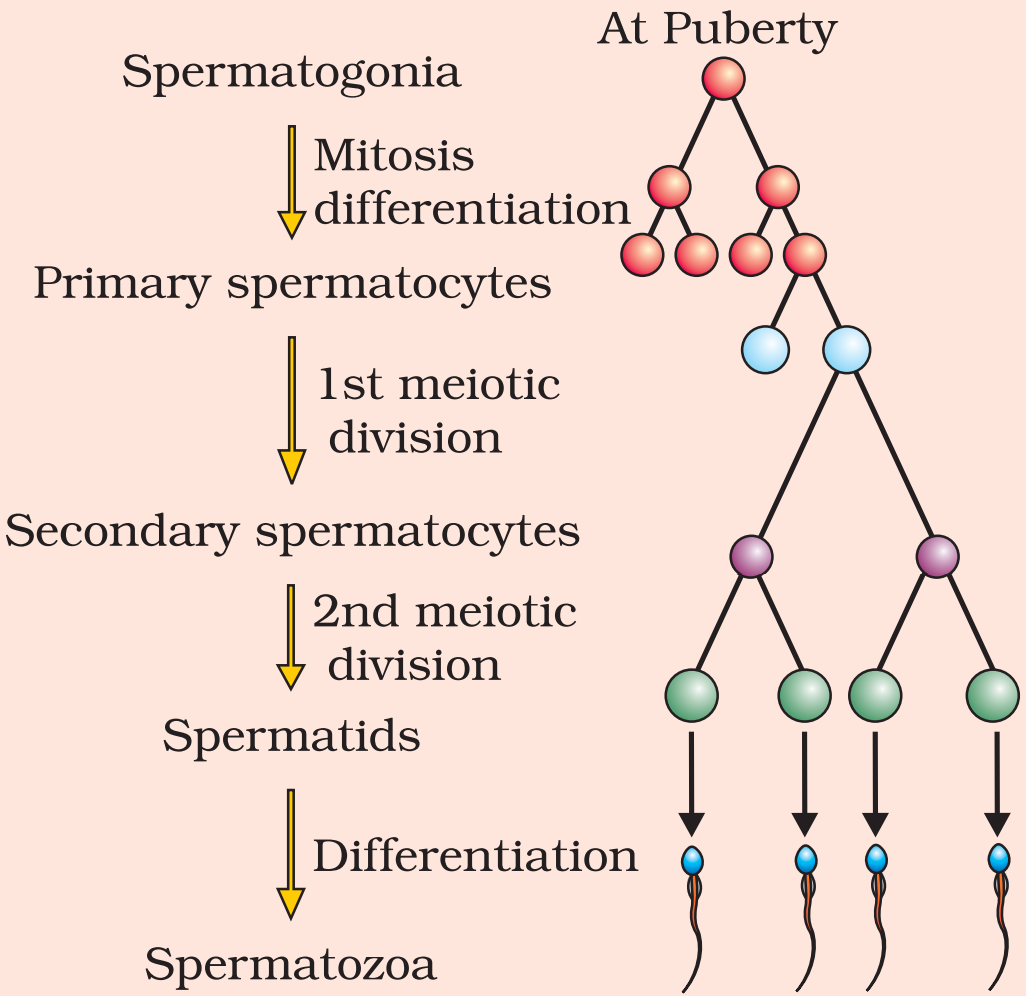
What is spermatogenesis? Briefly describe the process of spermatogenesis.

Answer

The process of the production of sperms from the immature germ cells in males is called spermatogenesis. The male germ cell of seminiferous tubules multiply mitotically to increase in numbers. Each spermatogonium is diploid and contains 46 chromosomes. Some of the spermatogonia called primary spermatocytes periodically undergo meiosis. A primary spermatocyte completes the first meiotic division (reduction division) leading to formation of two equal, haploid cells called secondary spermatocytes, which have only 23 chromosomes each. The secondary spermatocytes undergo the second meiotic division to produce four equal, haploid spermatids. The spermatids are transformed into spermatozoa (sperms) by the process called spermiogenesis.

Need a full question paper?

Generate a complete, print-ready paper with questions like this in minutes — across 16+ boards, with answer keys.
Start Generating Free

Similar questions

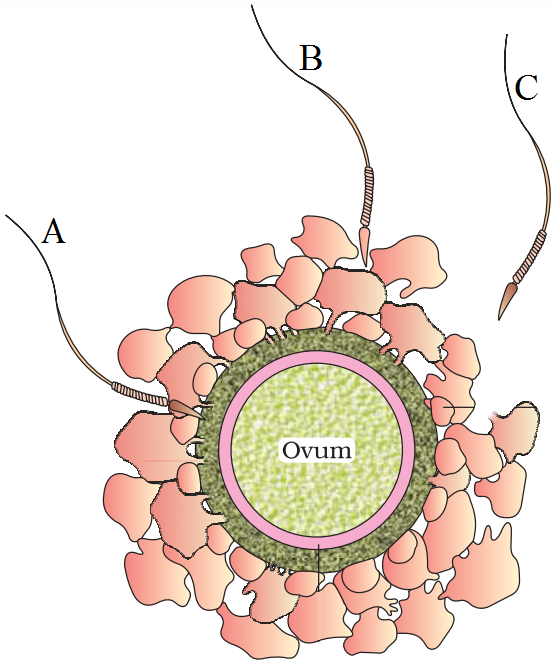
Given below is the diagram of a human ovum surrounded by a few sperms. Observe the diagram and answer the following questions:
Compare the fate of sperms shown in the diagram.
  1. What is hydrarch succession?
  2. Compare the pioneer species and climax communities of hydrarch and xerarch succession respectively.
  3. List the factors upon which the type of invading pioneer species depend in secondary hydrarch succession. Why is the rate of this succession faster than that of primary succession?
(a) Write the name of primates existing on earth about 15 million years ago. Write its important characteristics also?
(b) (i) From where did the animals similar to human being meet?
(ii) In which sequence were neanderthal, homohabilis and homo erectus evolved on earth?
(iii) When did modern man evolve on this planet?
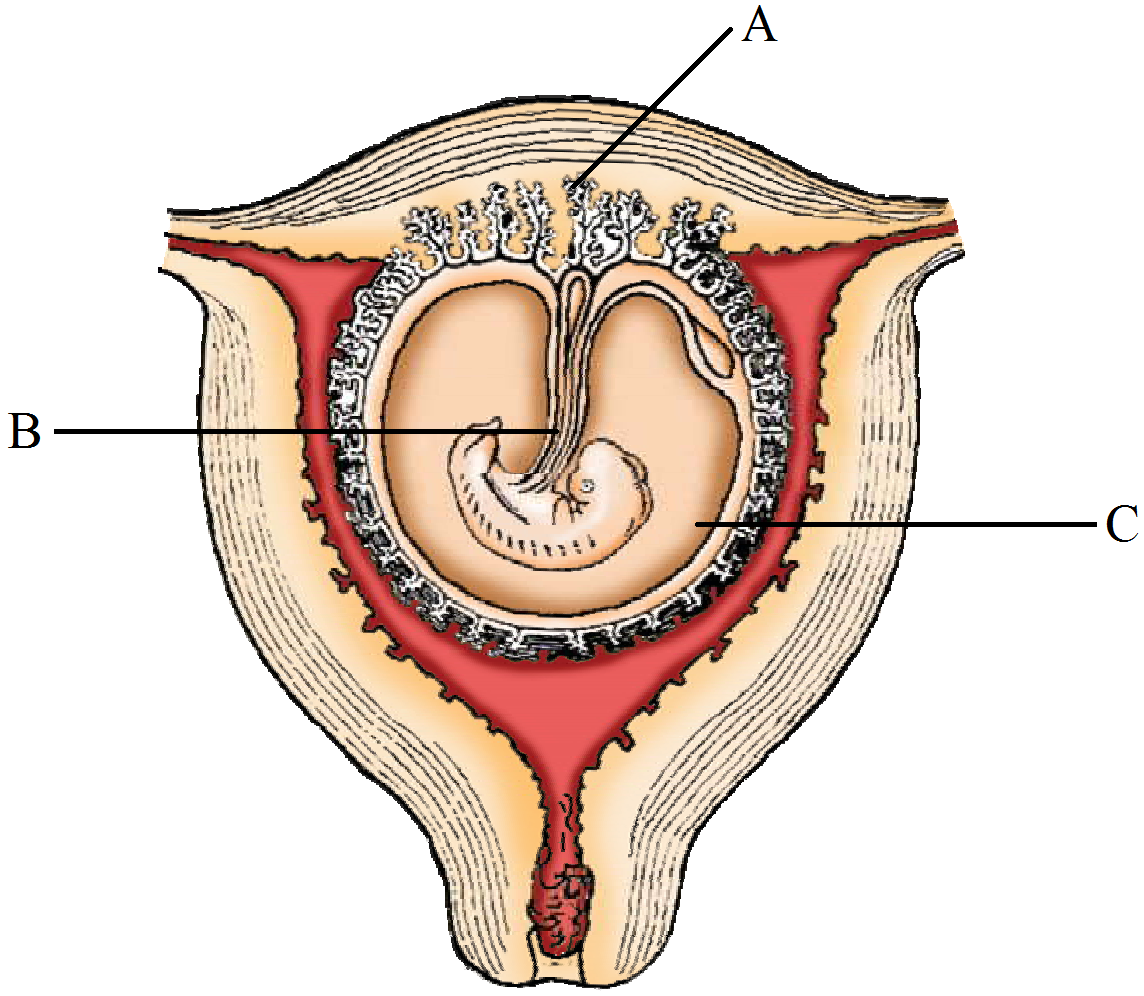
  1. Identify the parts labelled A, B and C in the diagram given.
  1. Draw a labelled diagram of a human blastocyst.
  2. What is parturition and is it induced at the end of pregnancy in a human female?
For selection of recombinants, insertional inactivation of antibiotic marker has been superceded by insertional inactivation of a marker gene coding for a chormogenic substrate. Give reasons.
Study the 3 representative figures of age pyramid relating to human population given below and answer the following question:
  1. Mention the names given to the 3 kinds of age profiles (i), (ii), and (iii).
  2. Which one of them is ideal for a population and why?
  3. How do such age-profile studies help policy makers get concerned about our growing population and prepare for future planning? (say for example: for the year 2022.)
[Hint. The age profile you would name as stable was prepared on the data available on January 2007].
Describe the exponential growth model of a population with diagram and curve.
List any two major causes other than anthropogenic causes of the loss of biodiversity.
  1. Explain the differences and similarities between hydrarch and xerarch successions of plants.
  2. Mention the role of living organisms in the phosphorus cycle.
Enumerate the different measures for control and prevention of drug/ alcohol abuse among adolescent.