Question
What was the speciality of Tipu’s sword?

Answer

Wootz steel was used in the preparation of Tipu’s sword. Wootz steel when made into swords produced a very sharp edge that could easily rip through the opponent’s armour.

Need a full question paper?

Generate a complete, print-ready paper with questions like this in minutes — across 16+ boards, with answer keys.

Start Generating Free

Similar questions

Mention one objectives of Secular state.
What are the main responsibilities of the Prime Minister in the Indian parliamentary system?
When does discrimination occur?OR
When does the act of discrimination take place?
"History has instances of religious discrimination, like the Nazi persecution of Jews and mistreatment of religious minorities In Israel. Saudi Arabia restricts non-Muslim places of worship and gatherings for non-Muslim prayer."
(i) What is religious discrimination?
(ii) Why is religious discrimination wrong?
Write a short note on right to freedom.
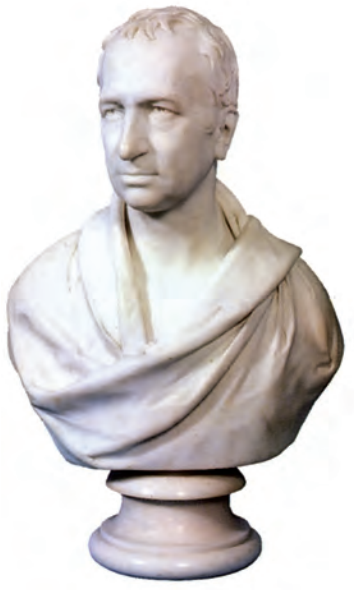
Observe the picture taken and answer the questions that follow: Questions:
  1. Who is he?
  2. What do you know about him?
Why are people considered a resource?
Read the passage given below and answer the following questions
"Not fit for human consumption"
Newspapers provide accounts of the movements in different parts of the country. Here is a report of a police strike in 1946. 
More than 2000 policemen in Delhi refused to take their food on Thursday morning as a protest against their low salaries and the bad quality of food supplied to them from the Police Lines kitchen. 
As the news spread to the other police stations, the men there also refused to take food... One of the strikers said: "The food supplied to us from the Police Lines kitchen is not fit for human consumption. Even cattle would not eat the chappattis and dal which we have to eat." 
Hindustan Times, 
22nd March, 1946 
Look at Sources 1 and 2. Do you find any differences in the nature of reporting? Explain what you observe
What conditions are required for wheat production?
Describe the Doctrine of Lapse.