Question 14 Marks
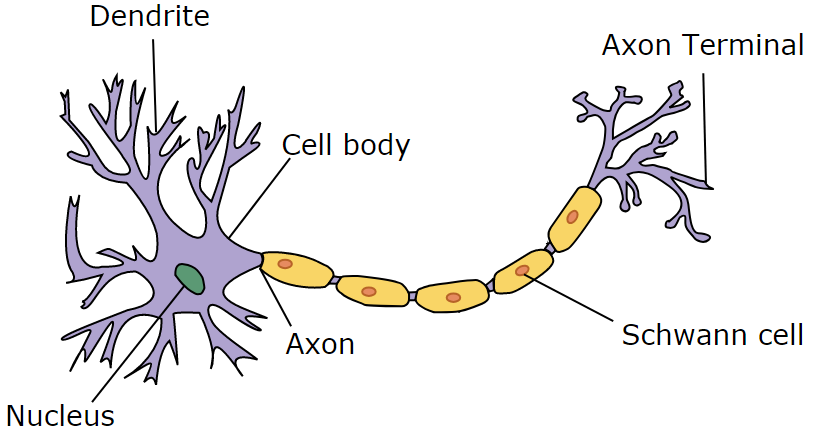
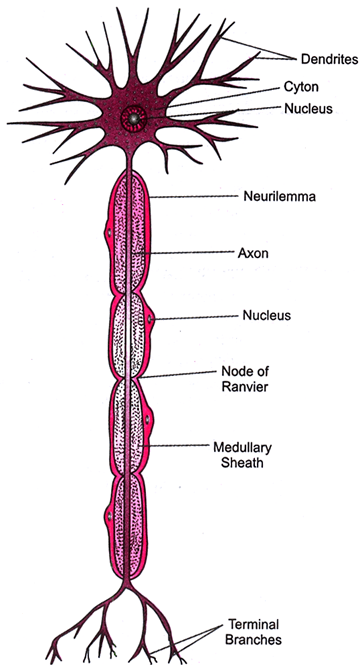
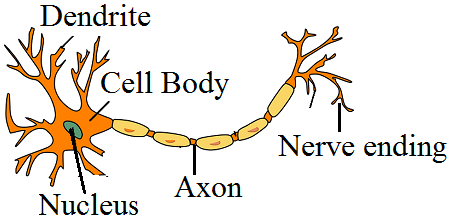
What does a neuron look like?
42 questions · timed · auto-graded
| Parenchyma | Collenchyma | Sclerenchyma |
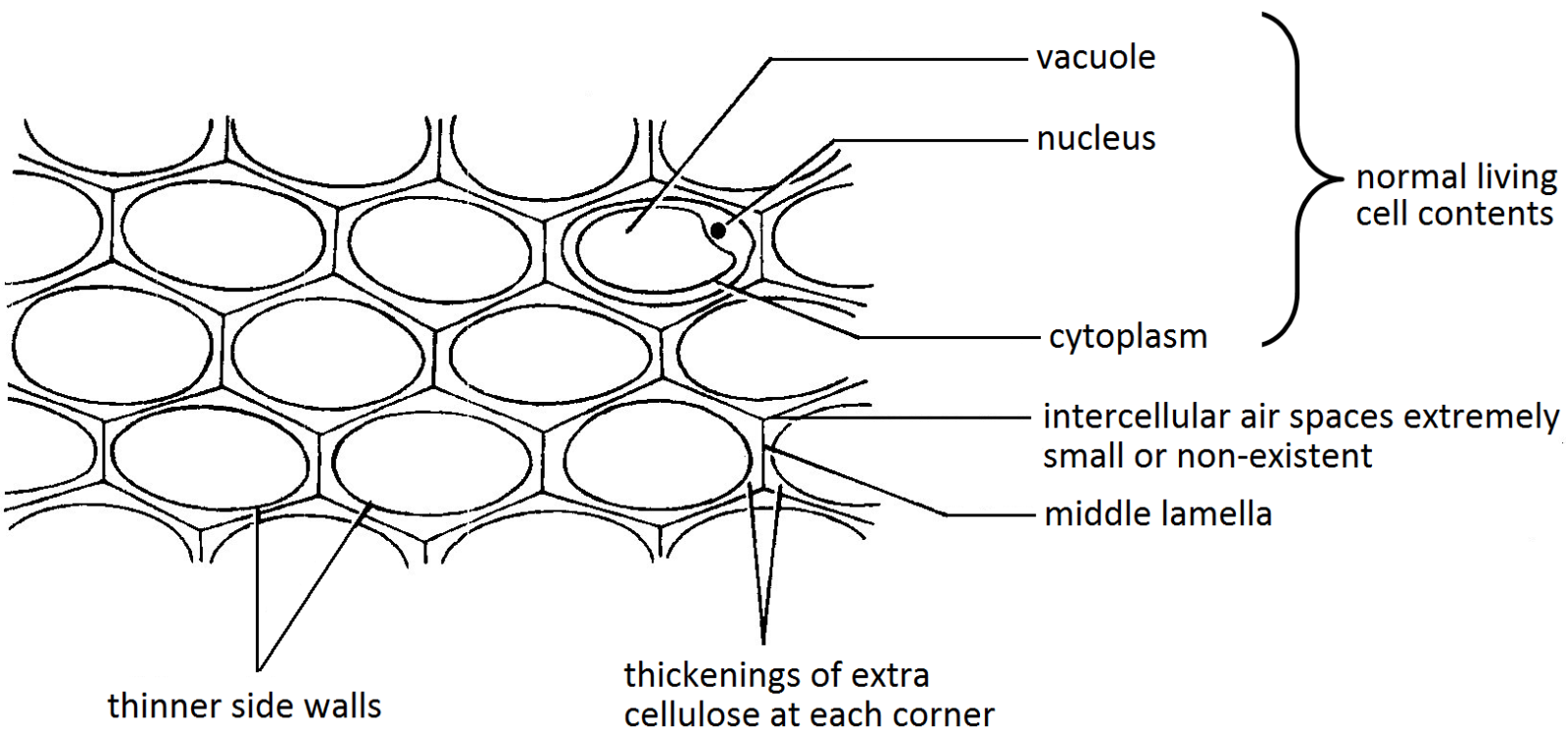
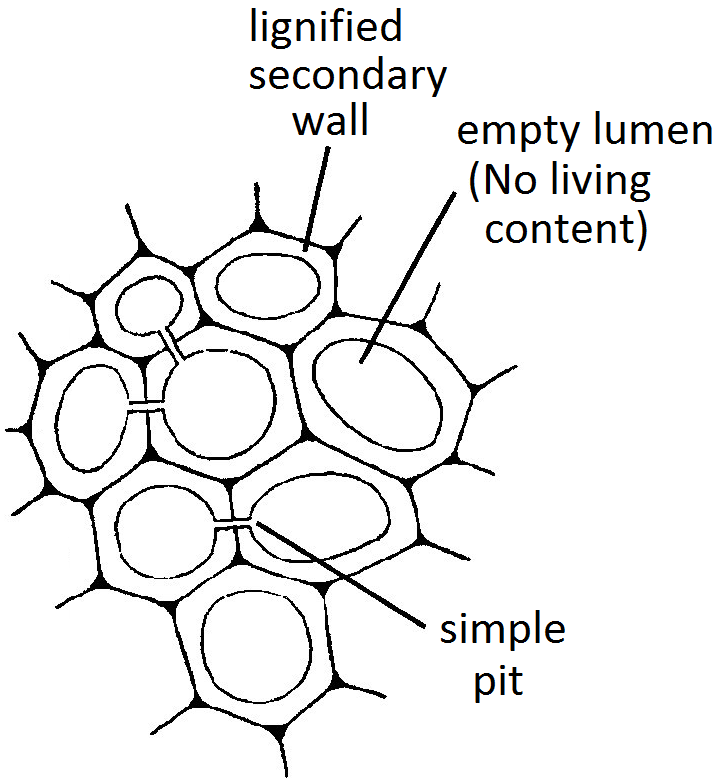
| Cell walls are relatively thin, and the cells in parenchyma tissues are loosely packed. | The cell wall is irregularly thickened at the corners, and there is very little space between the cells. | The cell walls are uniformly thickened, and there are no intercellular spaces. |
| The cell wall in this tissue is made up of cellulose. | Pectin and hemicellulose are the major constituents of the cell wall. | An additional layer of the cell wall composed mainly of lignin is found. |
| Simple tissue | Complex tissue |
| These tissues consist of only one type of cells. | These tissues are made up of more than one type of cells. |
| The cells are more or less similar in structure and perform similar functions. | Different types of cells perform different functions. For example, in the xylem tissue, tracheids help in water transport, whereas parenchyma stores food. |
| Three types of simple tissues in plants are parenchyma, collenchyma, and sclerenchyma. | Two types of complex permanent tissues in plants are xylem and phloem. |
Functions of connective tissue:
There are three types of blood corpuscles:
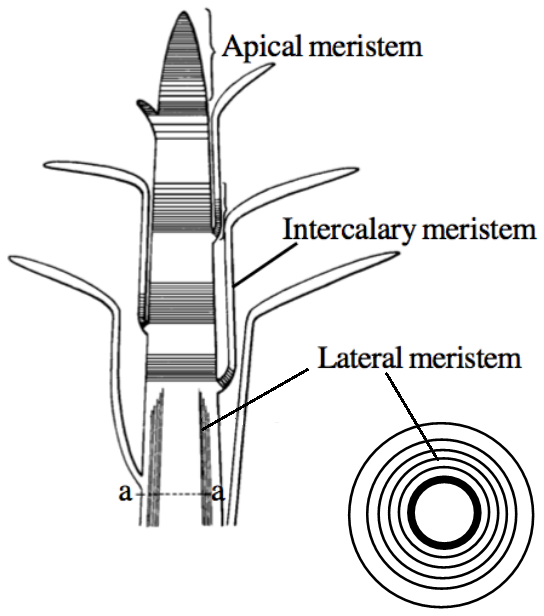
| Meristematic | Permanent |
| Cells of this tissue divide throgh out their life. | They lose the ability to divide to take up specific function. |
| They are located at specific regions of the plant viz apical lateral, intercalary. | They are distributed throught the plant body. |
| Cells of this tissue are very active, have dense cytoplasm, thin walls and prominent. They lack vacuoles. | They are vacuolated vary in shape and size. their cell wall may be thick. |
| Cell wall is cellulosic. | Cell wall is made up of cellulose. |
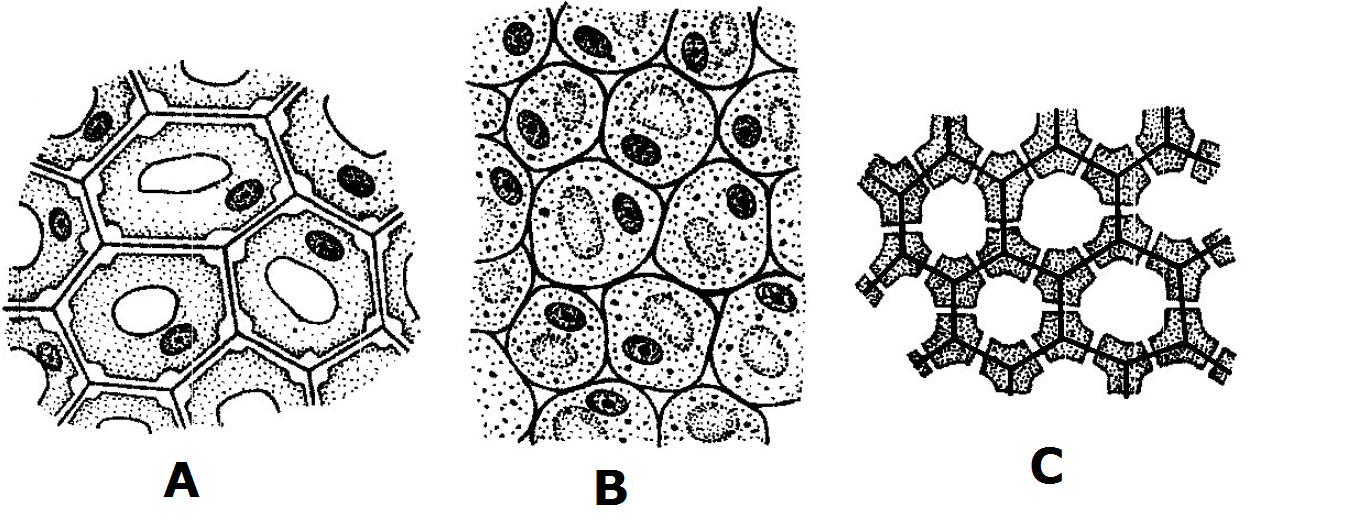
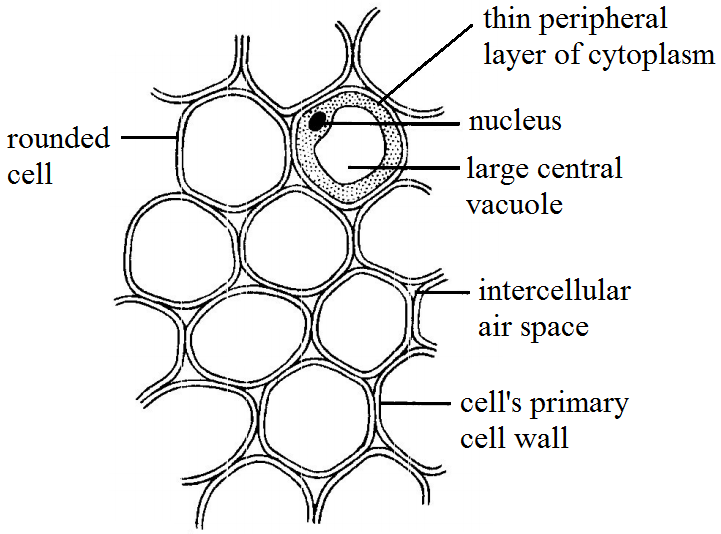
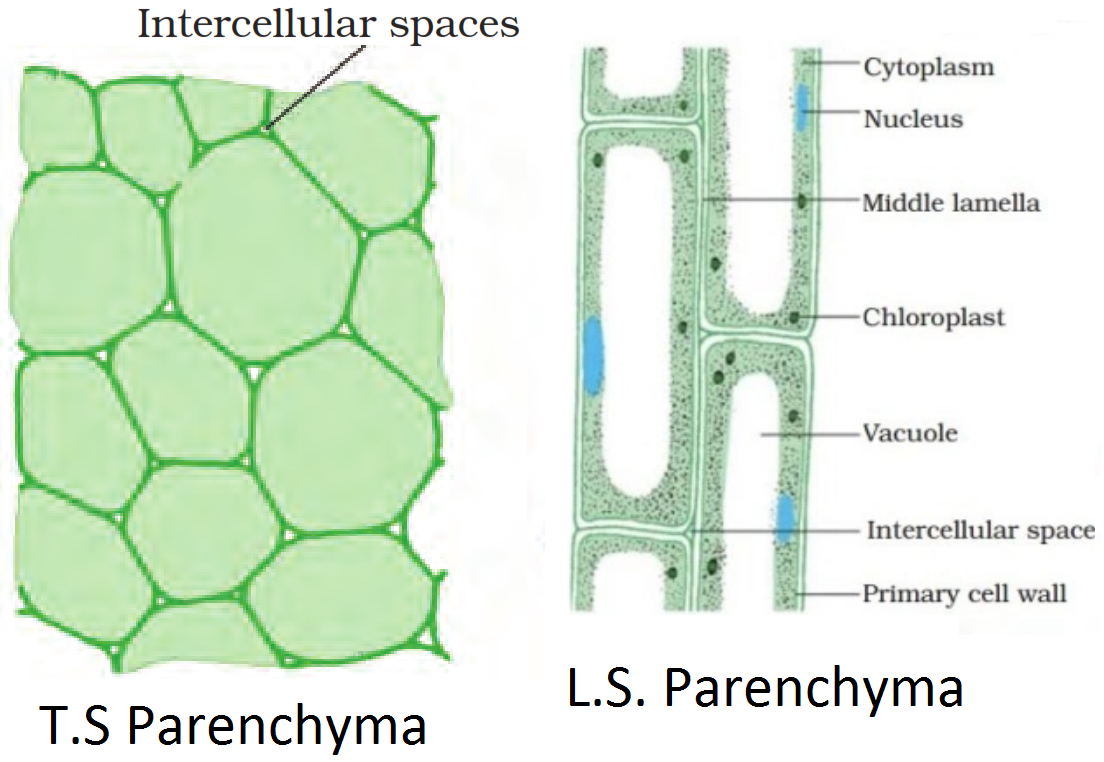
B: T.S. parenchyma.
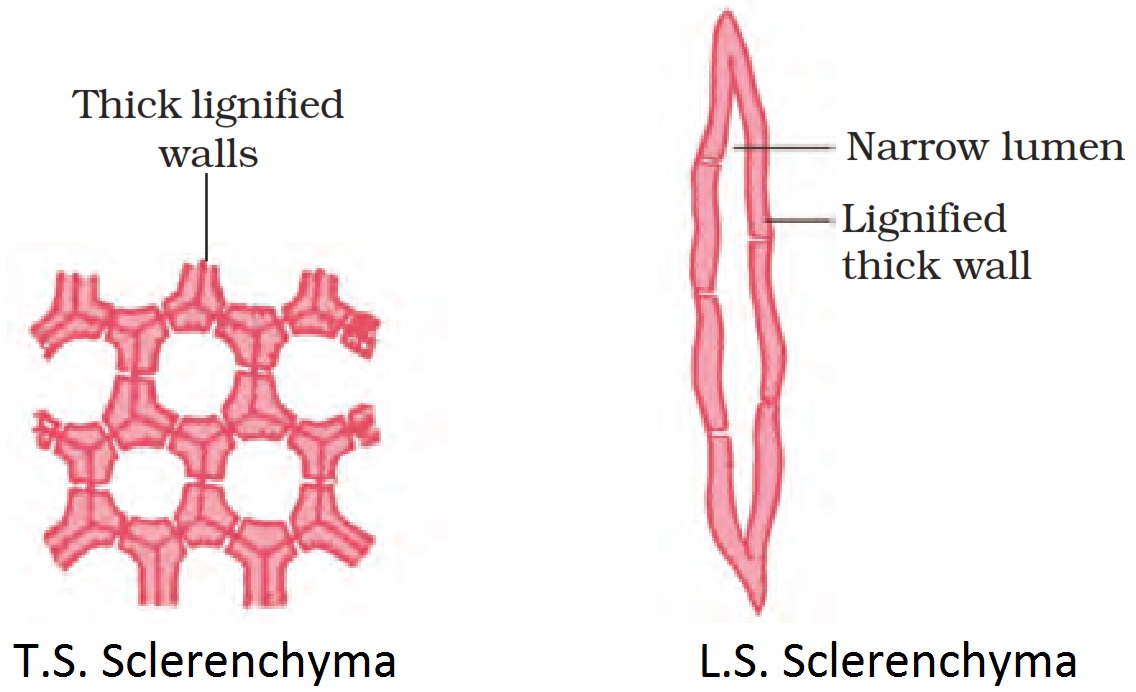
C: T.S. sclerenchyma fibres.
Parenchyma | Sclerenchyma | ||
1. | Cells are thin walled and unspecialized. | 1. | Cells are thick walled and lignifieg. |
2. | These are living cells. | 2. | Tissues are made up of dead cells. |
3. | Cells are usually loosely packed with large intercellular space. | 3. | No intercellular apaces between the calls are found. |
4. | Stores nutrient and water in stem and roots. | 4. | Provides strength to the plant parts. |
5. | Some cells contain chlorophyll called chlorenchyma and photosynthesis. other cells have large air which provid buoyancy to the hydrophytic plants. | 5. | The cells are long and narrow. make the plant hard and stiff. The tissue is present in the stem around of leaves and seeds and nuts. |
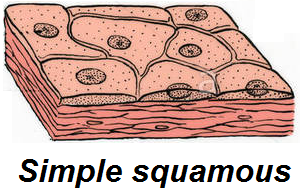
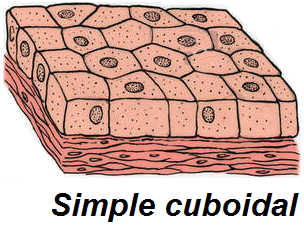
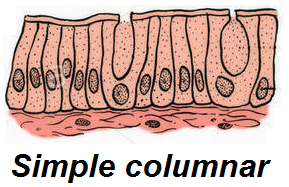
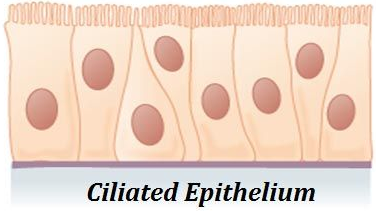
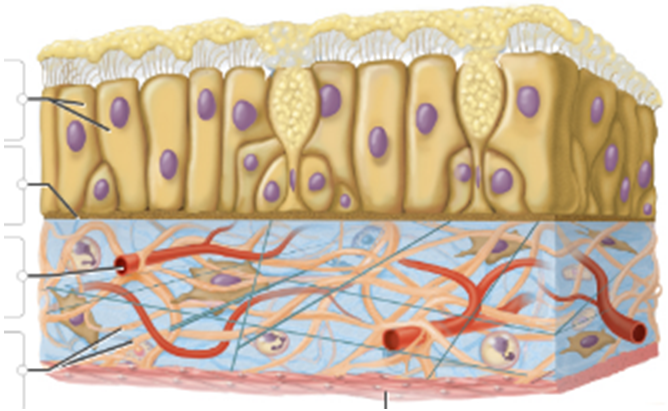
Connective tissue: Connective tissues are fibrous tissues made up of cells separated by non-living material, which is called an extracellular matrix. This matrix can be liquid or rigid. For example, blood contains plasma as its matrix and bone's matrix is rigid. Connective tissue gives shape to organs and holds them in place. Blood, bone, tendon, ligament, adipose, and areolar tissues are examples of connective tissues. One method of classifying connective tissues is to divide them into three types: fibrous connective tissue, skeletal connective tissue, and fluid connective tissue.
Muscular tissue: Muscle cells form the active contractile tissue of the body known as muscle tissue or muscular tissue. Muscle tissue functions to produce force and cause motion, either locomotion or movement within internal organs. Muscle tissue is separated into three distinct categories: visceral or smooth muscle, found in the inner linings of organs; skeletal muscle, typically attached to bones, which generate gross movement; and cardiac muscle, found in the heart, where it contracts to pump blood throughout an organism.
Nervous tissue: Cells comprising the central nervous system and peripheral nervous system are classified as nervous (or neural) tissue. In the central nervous system, neural tissues form the brain and spinal cord. In the peripheral nervous system, neural tissues form the cranial nerves and spinal nerves, inclusive of the motor neurons.
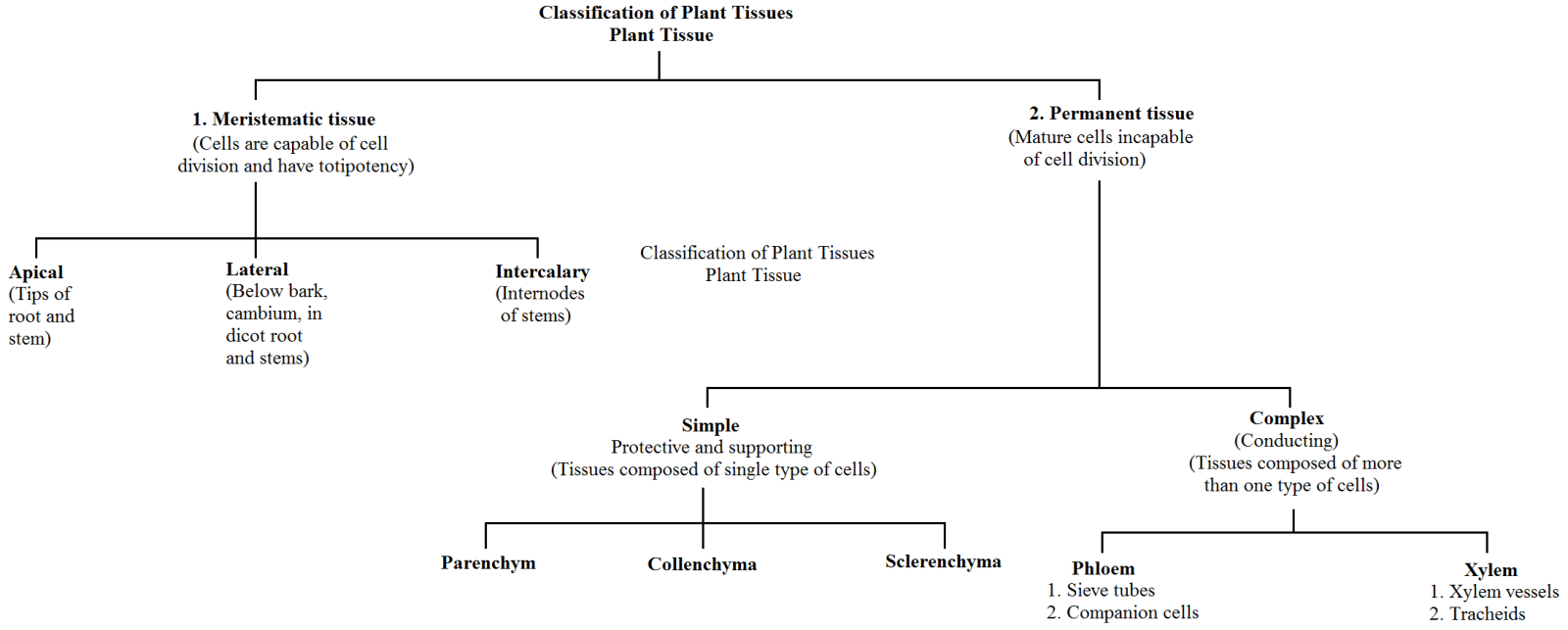
Plant tissues: In plant anatomy, tissues are categorized broadly into three tissue systems: the epidermis, the ground tissue, and the vascular tissue.
Epidermis: Cells forming the outer surface of the leaves and of the young plant body.
Vascular tissue: The primary components of vascular tissue are the xylem and phloem. These transport fluids and nutrients internally.
Ground tissue: Ground tissue is less differentiated than other tissues. Ground tissue manufactures nutrients by photosynthesis and stores reserve nutrients.
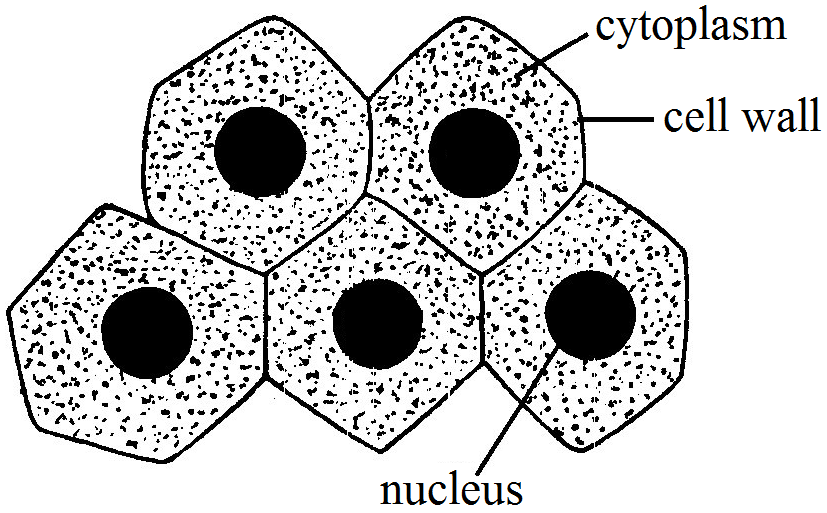
Meristematic tissues: Meristematic tissue consists of actively dividing cells, and leads to increase in length and thickness of the plant. The primary growth of a plant occurs only in certain, specific regions, such as in the tips of stems or roots. It is in these regions that meristematic tissues are present. Cells in these tissues are roughly spherical or polyhedral, to rectangular in shape, and have thin cell walls. New cells produced by meristem are initially those of meristem itself, but as the new cells grow and mature, their characteristics slowly change and they become differentiated as components of the region of occurrence of meristematic tissues.
Permanent tissues: Permanent tissues may be defined as a group of living or dead cells formed by meristematic tissue and have lost their ability to divide and have permanently placed at fixed positions in the plant body. Meristematic tissues that take up a specific role lose the ability to divide. This process of taking up a permanent shape, size and a function is called cellular differentiation. Cells of meristematic tissue differentiate to form different types of permanent tissues.
There are three types of permanent tissues:
Differences between striated and smooth muscle tissues:
Striated muscle tissues | smooth muscle tissues |
Striated muscles are voluntary | smooth muscles are involuntary in function. |
Striated muscles show stripes | smooth muscles do not show stripes. |
Skeletal muscle fibres are cylindrical | smooth muscle fibres are spindle shaped. |
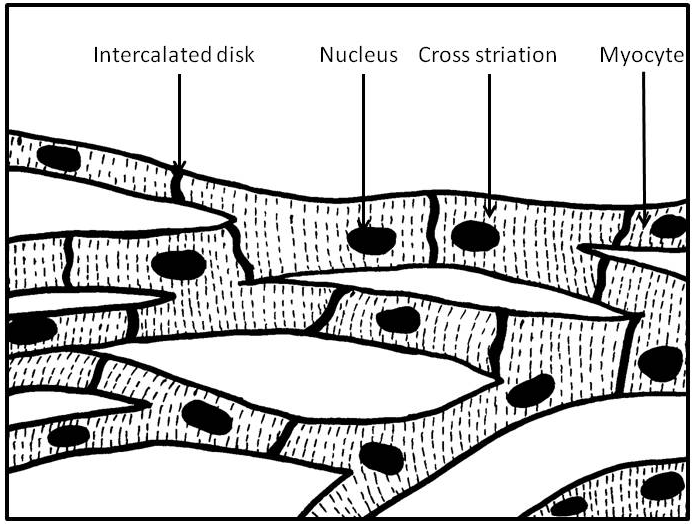
Diagram of the muscle tissue:
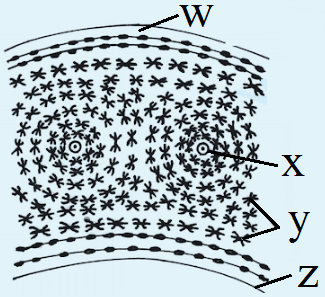
W: Periosteum.
X: Haversian canel.
Y: Canaliculus (plural canaliculi).
Z: Endosteum.
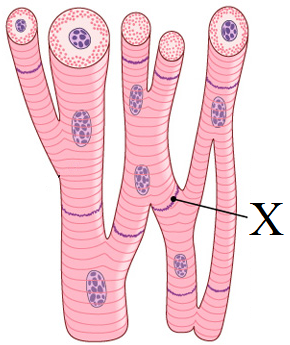
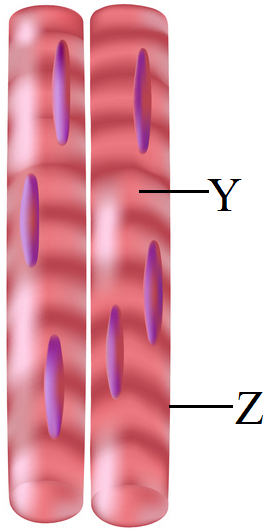
X: Intercalated disc.
Y: Light band.
Z: Dark band.
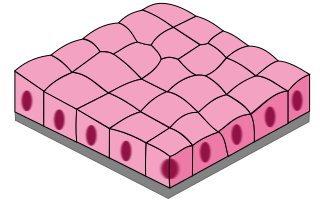
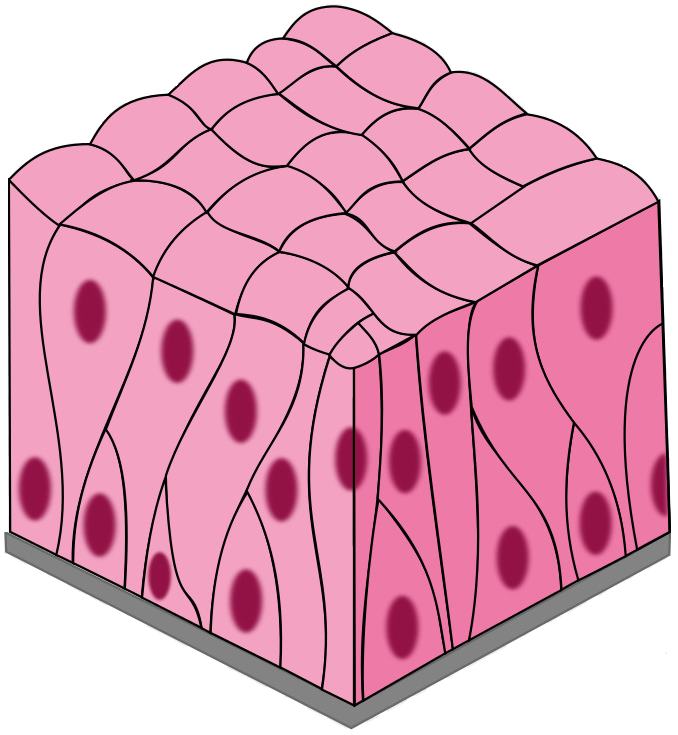
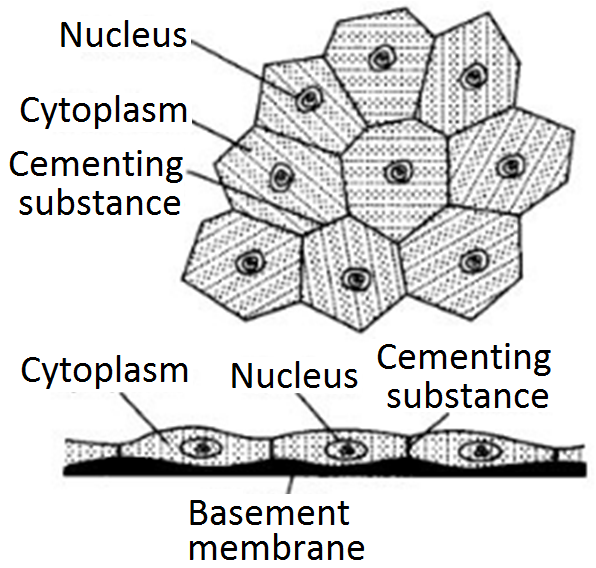
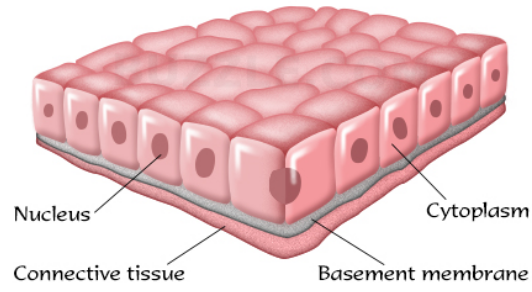
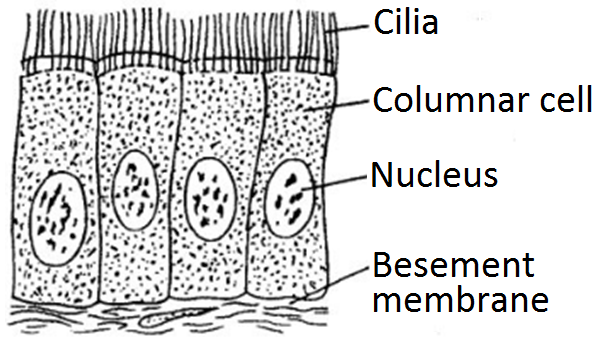
Figure B: columnar epithelium.
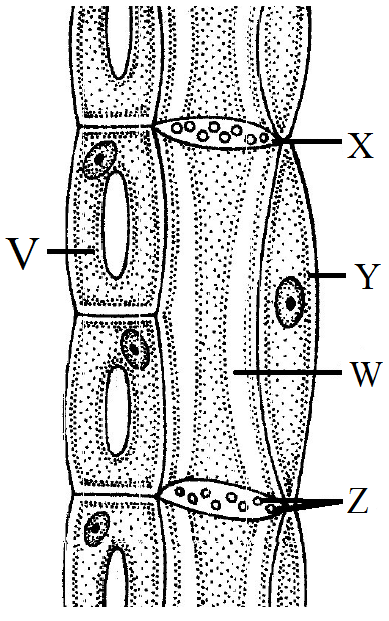
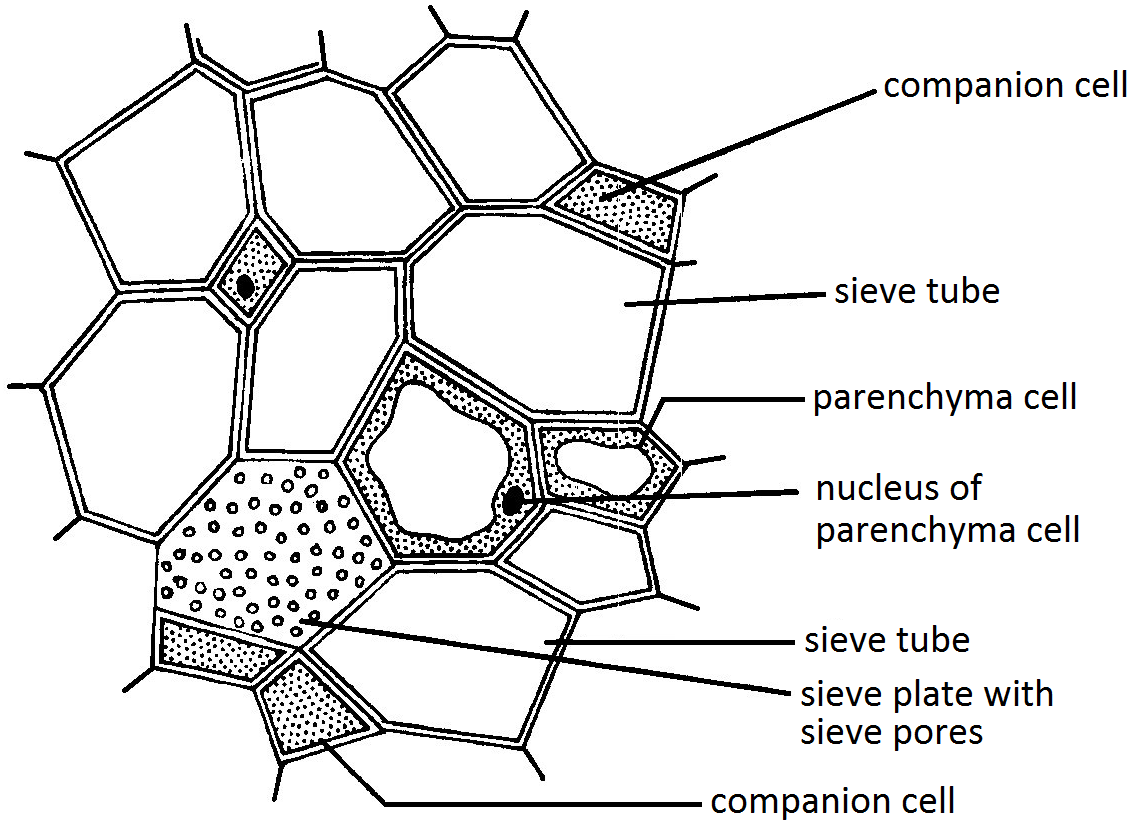
It is a section of phloem, a complex tissue. Phloem transports food from leaves to the other parts of the plant.
V: Phloem parenchyma.
W: Seive tube.
Y: Companion cell.
Z: Sieve pores.
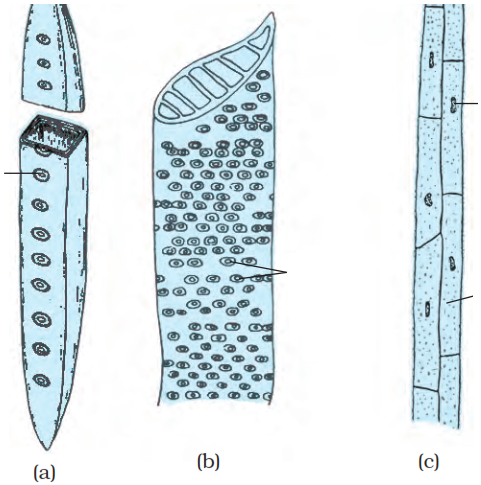
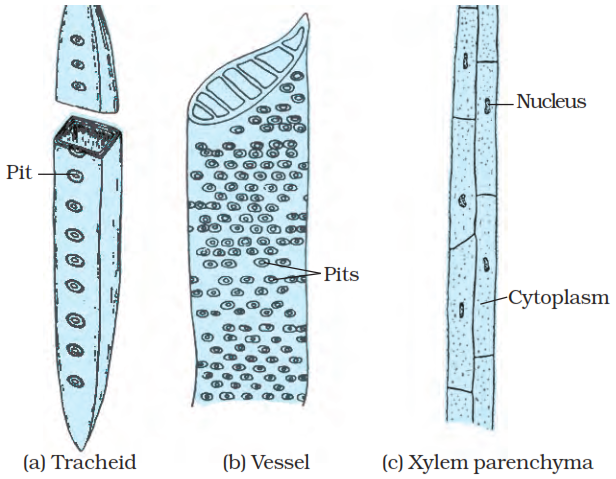
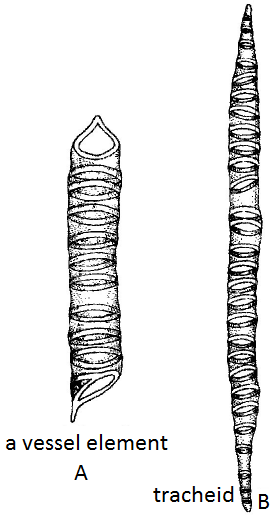
Vessels- It helps in transmission of minerals.
Xylem parenchyma- It stores food and helps in conduction of water.
| Tendon | Ligament |
| It connects bone to muscle. | It connects bone to bone at joints. |
| It is strong and non-flexible. | It is elastic and flexible. |
The transport of food from leaves to other parts of the plant is called translocation
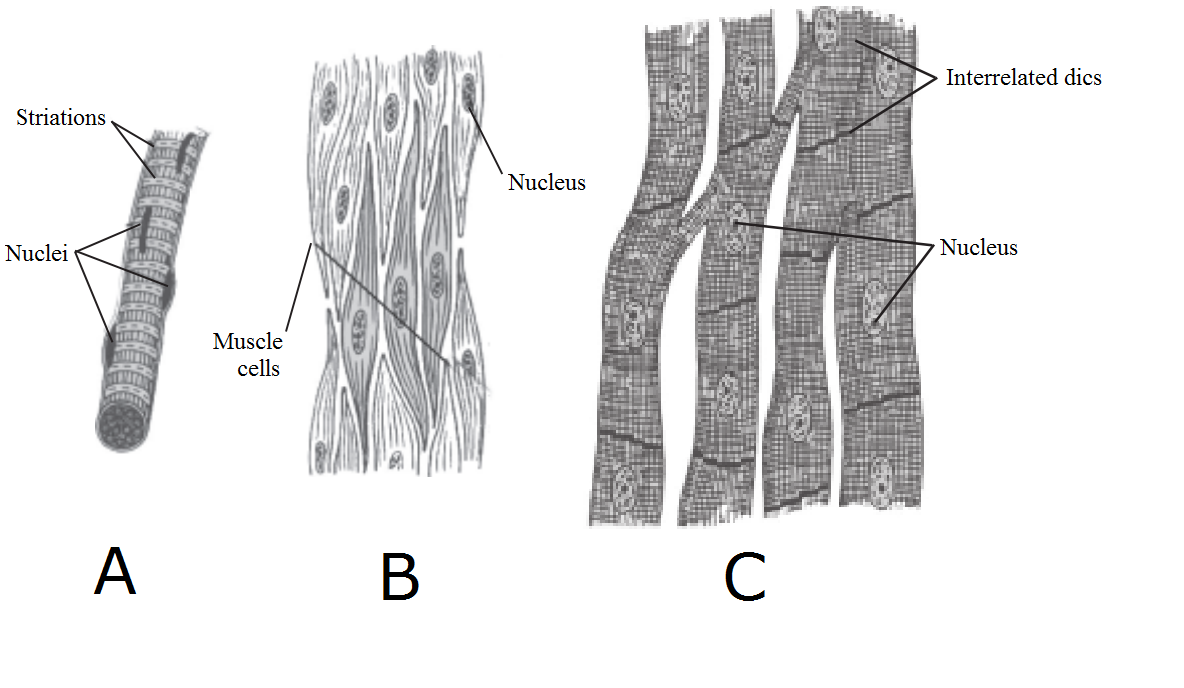
A: Striated muscle.
B: Smooth muscle.
C: Cardiac muscle.
Except xylem parenchyma, all other xylem elements are dead and bounded by thick lignified walls. Vessels are shorter and wider than tracheids. Vessels are very long tube-like structures formed by a row of cells placed end to end. Tracheids are elongated cells with tapering ends. They also conduct water.
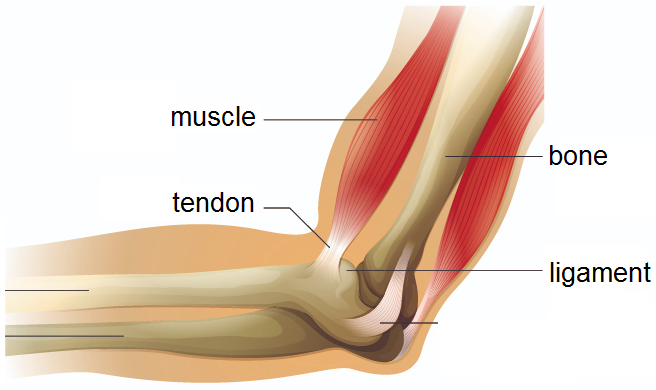
B- Bone
C- Muscle
D- Ligament
B- Bones have many functions. They support the body structurally, protect our vital organs, and allow us to move. Also, they provide an environment for bonemarrow, where the blood cells are created, and they act as a storage area for minerals, particularly calcium.
C- the main function of the muscular system is movement, but it also helps stabilize our joints, maintain our posture and generate heat during activity. Movement of our body can be voluntary and controlled by the skeletal muscles, or it can be involuntary and controlled by smooth muscles.
D- Ligaments attach two bones or cartilages,it helps in supporting and keeping the organ in position, it is made of fibrous tissue.
| Tendons | Ligaments |
| Connects skeletal muscles to bones | Connects bones to bones |
| Tough and elastic | Elastic |
| Connects the end of the muscles to bones | Connects the end of the bones at joints |
| Each muscle contains only one tendon | Each joint contains many ligaments |
| Proteoglycan content is less | Proteoglycan content is more |
| White in colour | Yellow in colour |
| Blood supply is good | Blood supply is poor |
| Fibroblasts lie in a continuous row | Fibroblasts are scattered |
| The fibres and compact and present in parallel bundles | They are not arranged in parallel bundles but are compactly packed |
| No such classification | They are classified into 3 types, namely: Articular ligaments, Remnant ligaments and Peritoneal Ligaments |
| Xylem | Phloem |
| Consists of tracheids, vessels, xylem, parenchyma and xylem fibers. | Consist of sieve tubes, comanion cell, phloem parenchyma and phloem fibers. |
| They transport water and minerals vertically from soli to parts of plant. | They transport parensport food from leaves tp other parts of the plant. |
| Most of the cells except xylem parenchyma are dead cells. | Most of the cells except phloem fiberes are living cells. |