Question
Explain- Biochemical Characterisation of Transforming Principle

Answer

→ Prior to the work of Oswald Avery, Colin MacLeod and Maclyn McCarty (1933-44), the genetic material was thought to be a protein.
→ They worked to determine the biochemical nature of 'transforming principle' in Griffith's experiment.
→ They purified biochemicals (proteins, DNA, RNA, etc.) from the heat-killed S cells to see which ones could transform live R cells into S cells.
→ They discovered that DNA alone from S bacteria caused R bacteria to become transformed.
→ They also discovered that protein-digesting enzymes (proteases) and RNA-digesting enzymes (RNases) did not affect transformation, so the transforming substance was not a protein or RNA.
→ Digestion with DNase did inhibit transformation, suggesting that the DNA caused the transformation.
→ They concluded that DNA is the hereditary material, but not all biologists were convinced.
Need a full question paper?

Generate a complete, print-ready paper with questions like this in minutes — across 16+ boards, with answer keys.

Start Generating Free

Similar questions

Why does the 'insertional inactivation' method to detect recombinant DNA is preferred to 'antibiotic resistance' procedure?
Differentiate between in situ and ex situ approaches of conserving biodiversity.
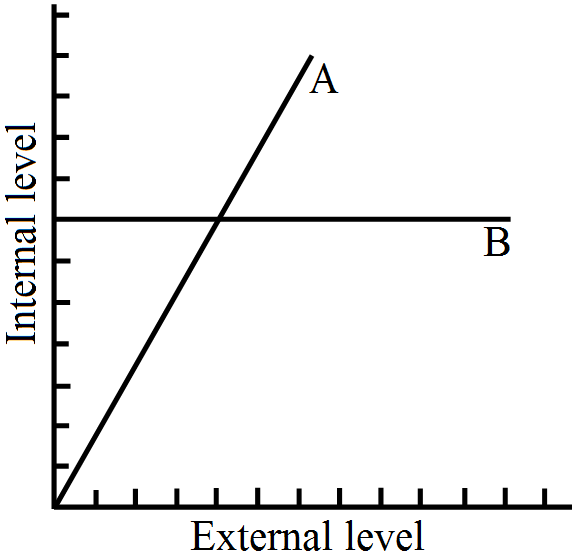
Given below is a graph depicting organismic response to changing external conditions. According to their response the organisms are grouped into two types. Name the type which will show (i) Pattern A (ii) Pattern B.

A spermatogonial cell has 30 chromosomes. How many chromosomes will be found in:
  1. The primary spermatocyte.
  2. The spermatid?
In the garden pea plant, the green color of pod is dominant over the yellow color of the pod to determine the genotype of a plant of unknown genotype, use punnett square to represent the genotype and phenotype of the test cross?
Explain : PCR
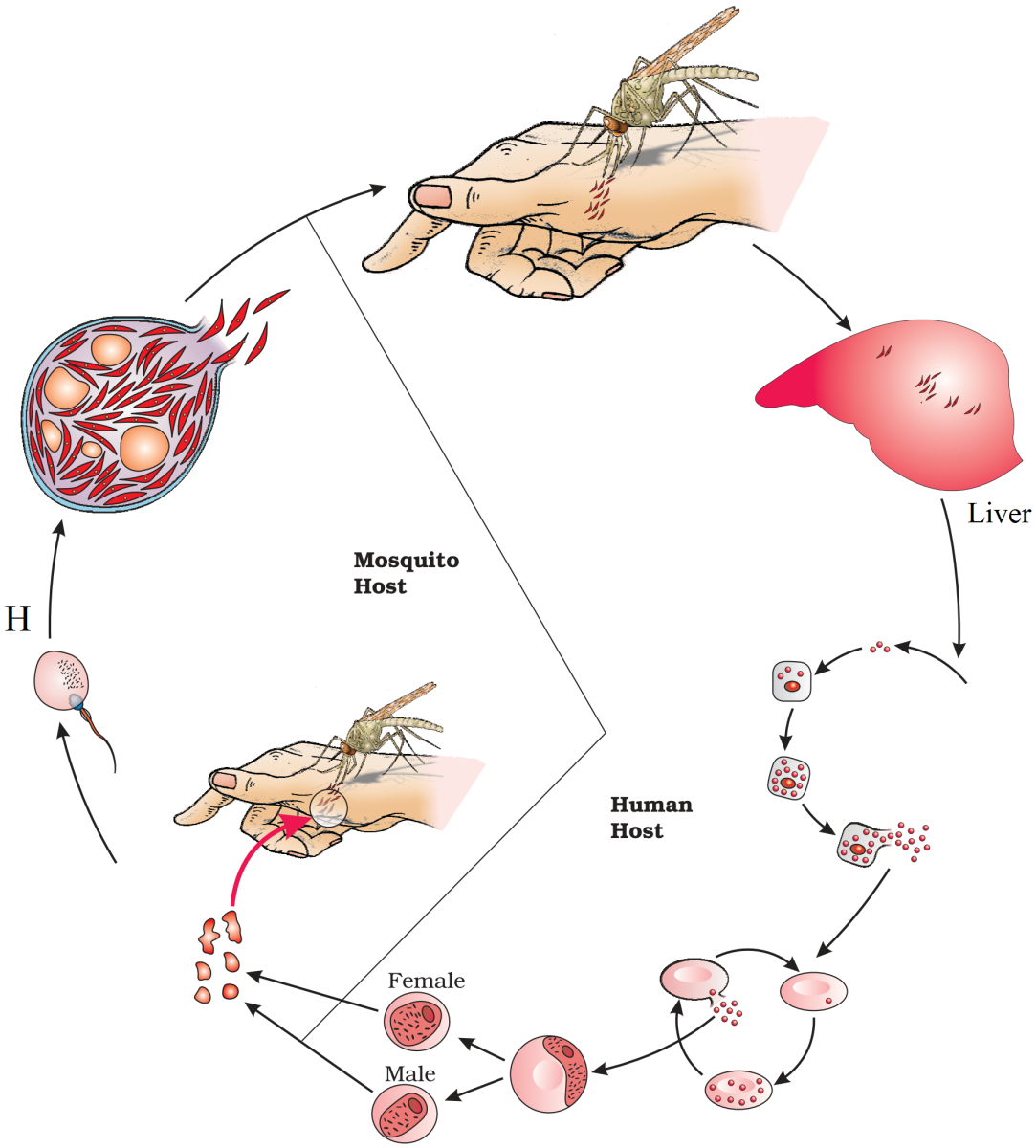
Refer to the diagram given below and answer the questions that follow.

  1. The parasite reproduces in human host by which method?
  2. The sexual stages of parasite are referred to as?
  3. Where does the fertilisation and development of parasite takes place in mosquito body?
  4. What are sporozoites?
  5. What is the cause of cycles of fever during malaria?
What name is given to the cells of inner cell mass, that have the potential to give rise to all tissues and organs in a human being?
Draw labelled diagram of transverse section of a pollen sac.
Transgenic animals are the animals in which a foreign gene is expressed. Such animals can be used to study the fundamental biological process, phenomenon as well as for producing products useful for mankind. Give one example for each type.