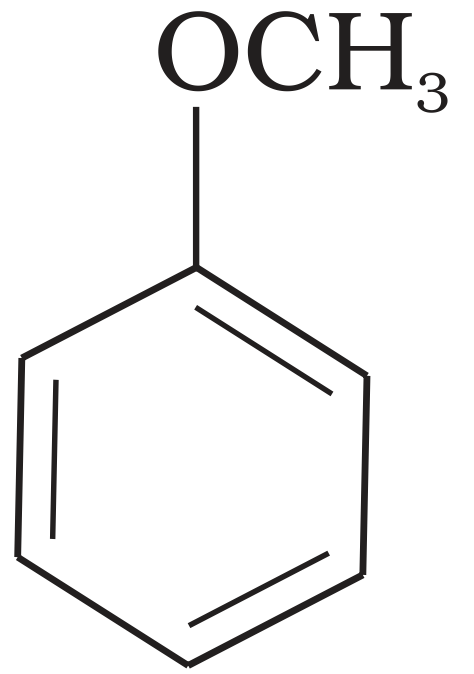
Question
Explain the following with an example :
Williamson ether synthesis.

Answer

Ethers are obtained by reacting alkyl halide with sodium alkoxide, this is called Williamson's ether synthesis.
Image

Need a full question paper?

Generate a complete, print-ready paper with questions like this in minutes — across 16+ boards, with answer keys.

Start Generating Free

Similar questions

Discuss the utility of DNA fingerprinting.
The rate constant for a first order reaction is 60 s-1. How much time will it take to reduce the initial concentration of the reactant to its 1/16th value?
What is the effect of temperature on the rate constant of reaction? How can this temperatures effect on rate constant be represented quantitatively?

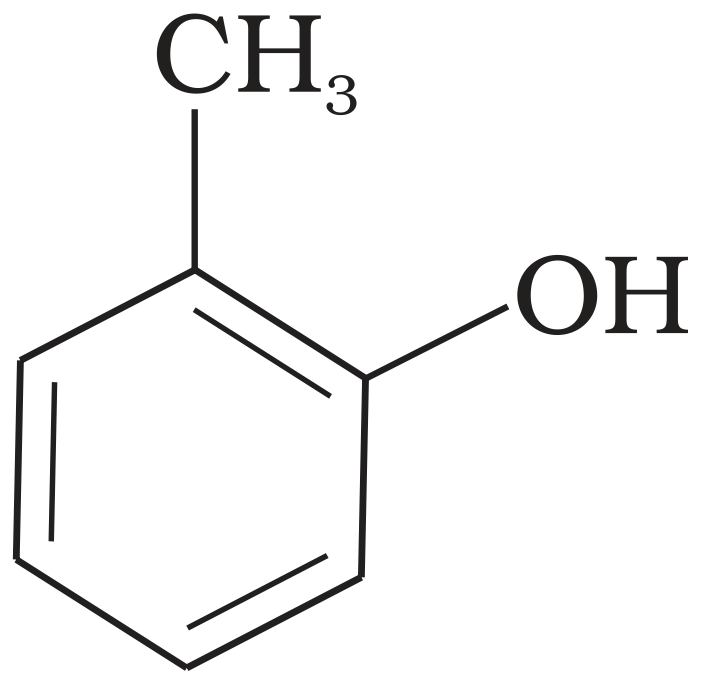
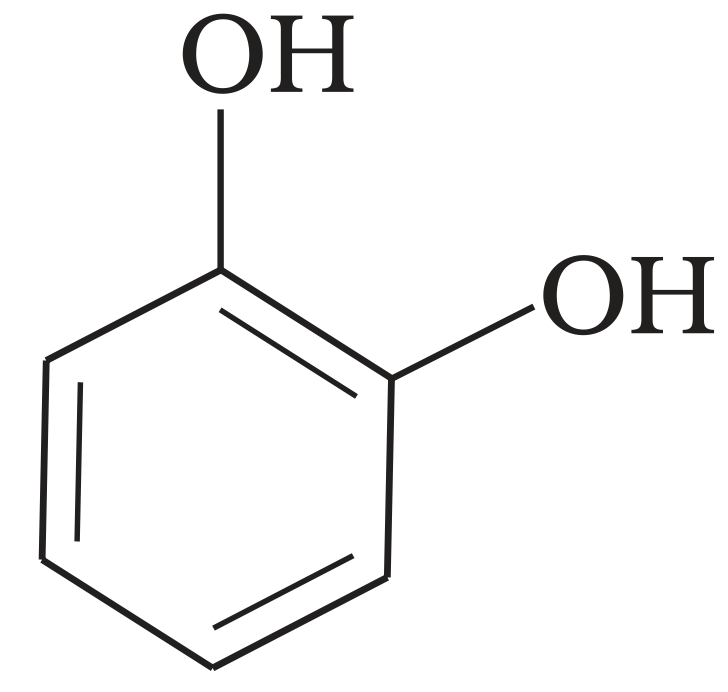
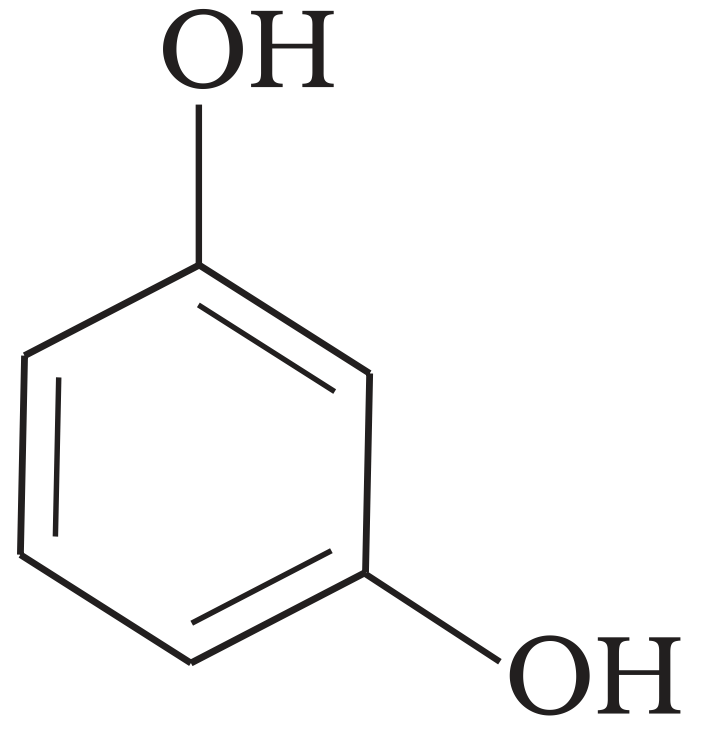
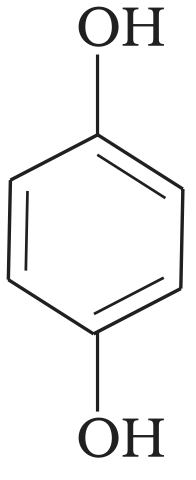
Match the structures of the compounds given in Column I with the name of the compounds given in Column II.
  Column I   Column II
(i) (a) Hydroquinone
(ii) (b) Phenetole
(iii) (c) Catechol
(iv) (d) o-Cresol
(v) (e) Quinone
(vi) (f) Resorcinol
    (g) Anisole.
Why do gases always tend to be less soluble in liquids as the temperature is raised?
Why the tansition elements are hard and have high melting and boiling points?
Write a note on primary structure of protein compounds.
  1. Following reactions occur at cathode during the electrolysis of aqueous silver chloride solution$:$
  1. $\ce{Ag^+(aq) + e^- \rightarrow Ag(s) E^{o }= +0.80 V}$
    $\ce{H^+(aq) + e^- \rightarrow H_2(g) E^o = 0.00 V}$
    On the basis of their standard reduction electrode potential $(E^o)$ values, which reaction is feasible at the cathode and why?
  2. Define limiting molar conductivity. Why conductivity of an electrolyte solution decreases with the decrease in concentration?
How would you determine the standard electrode potential of the system $Mg^{2+}|Mg?$
If $6 \times 10^{20}$ electron are used in reduction of an ion to form an atom, then find the equivalent of the ion.