Question
Fill in the missing figures assuming CGST @ 9% and SGST @ 9%: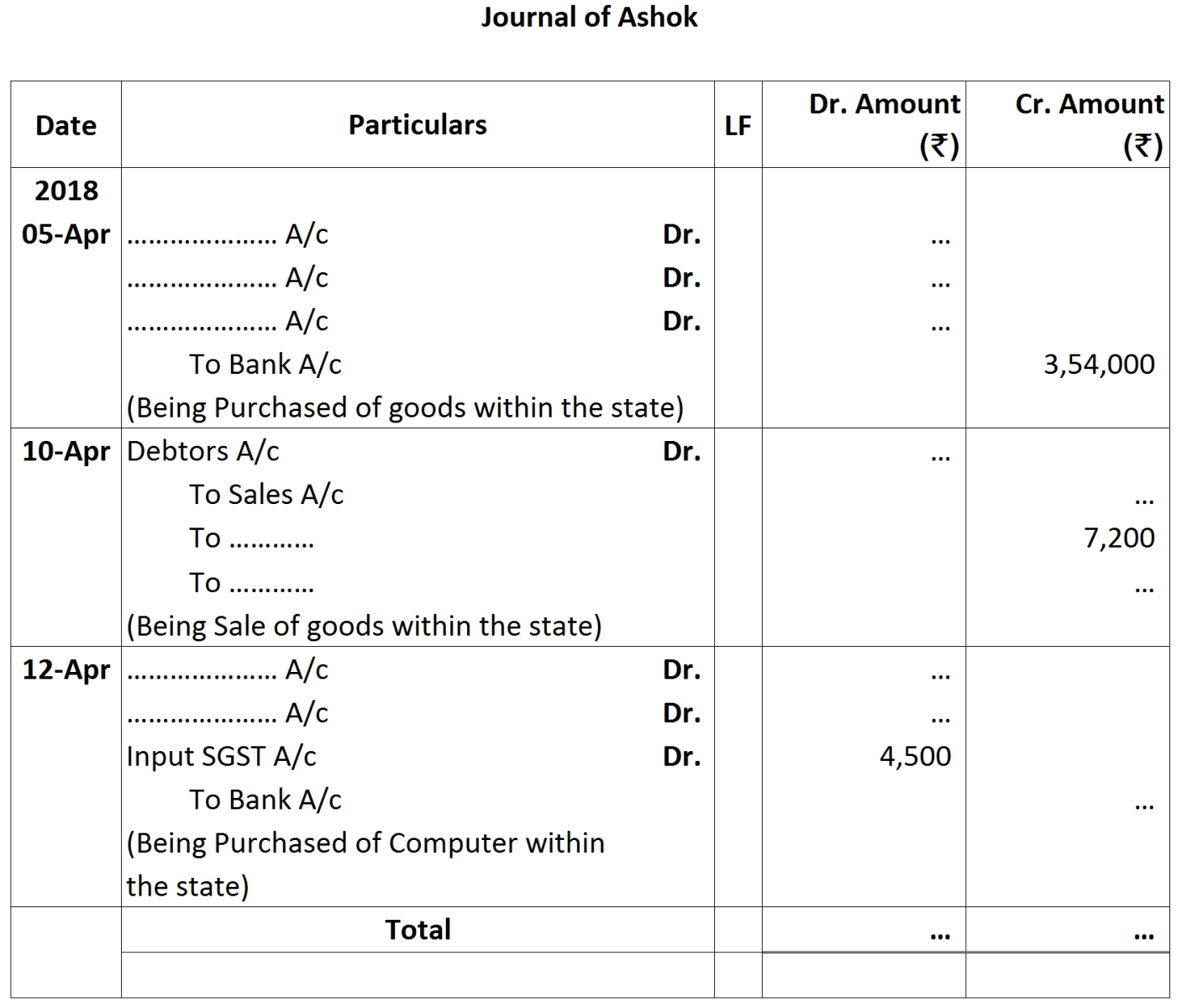
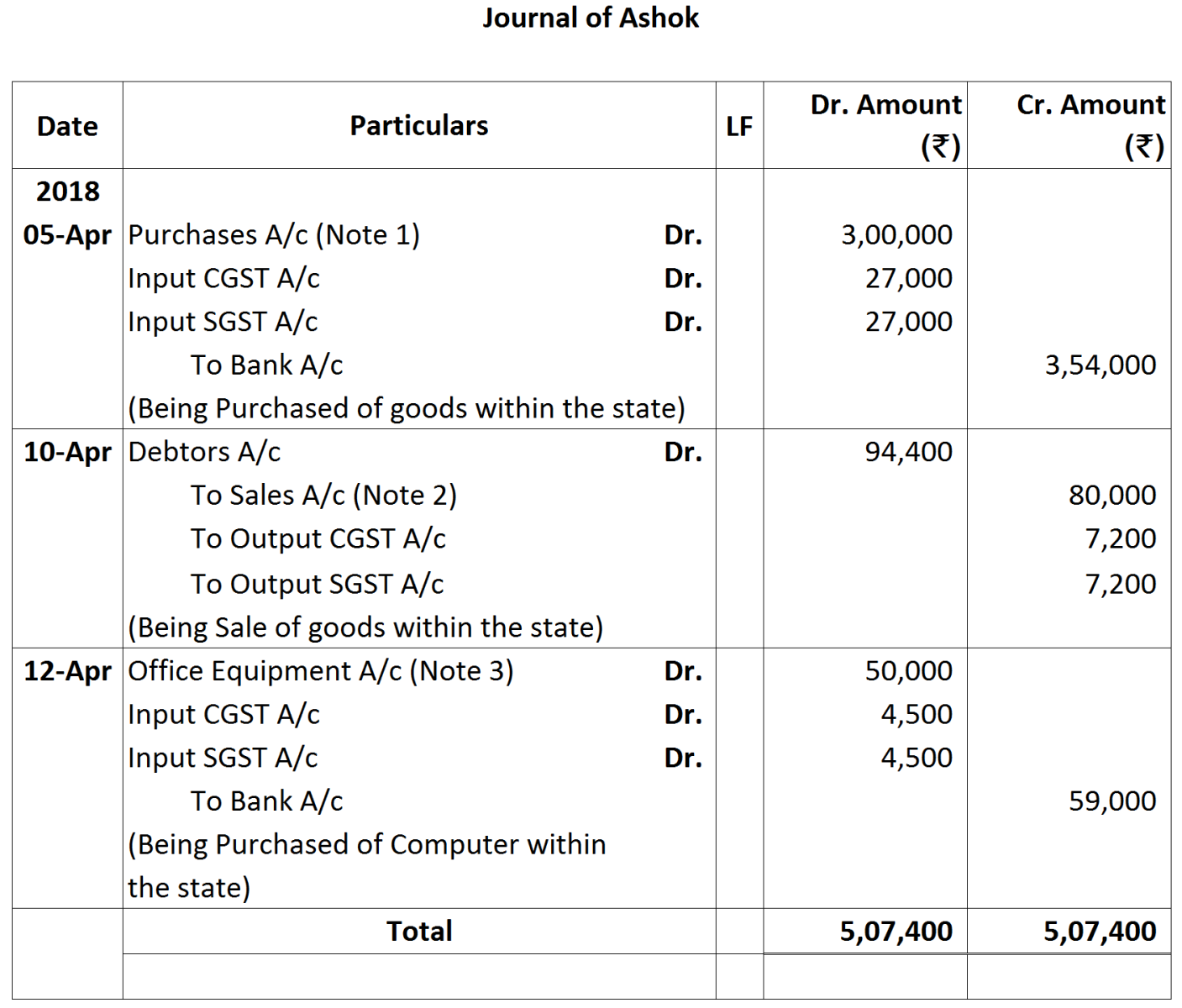 $3,54,000\times\frac{100}{118}=₹\ 3,00,000$
Generate a complete, print-ready paper with questions like this in minutes — across 16+ boards, with answer keys.
|
1.
|
Purchased goods from Karunakaran of Chennai for ₹ 1,00,000.
(IGST @18%) |
|
2.
|
Sold goods to Ganeshan of Bengaluru for ₹ 1,50,000.
(CGST @ 6% and SGST @ 6%) |
|
3.
|
Sold goods to S. Nair of Kerala for ₹ 2,60,000.
(IGST @18%) |
|
4.
|
Purchased a Machinery for ₹ 80,000 from Surya Ltd. against cheque.
(CGST @ 9% and SGST @ 9%) |
|
5.
|
Paid rent ₹ 30,000 by cheque.
(CGST @ 6% and SGST @ 6%) |
|
6.
|
Purchased goods from Ram Mohan Rai of Bengaluru for ₹ 2,00,000.
(CGST @ 6% and SGST @ 6%) |
|
7.
|
Paid insurance premium ₹ 10,000 by cheque.
(CGST @ 9% and SGST @ 9%) |
|
8.
|
Received commission ₹ 20,000 by cheque which is deposited into bank.
(CGST @ 9% and SGST @ 9%) |
|
9.
|
Payment made of balance amount of GST.
|
|
1.
|
Purchased goods for ₹ 2,00,000 and payment made by cheque.
|
|
2.
|
Sold goods for ₹ 1,60,000 to Devki Nandan & Sons.
|
|
3.
|
Purchased goods for ₹ 50,000 on credit.
|
|
4.
|
Paid for printing and stationery ₹ 4,000.
|
|
5.
|
Received for commission ₹ 5,000.
|
|
6.
|
Output GST adjusted against Input GST.
|
|
2019
|
|
₹
|
|
April 2
|
Bought office furniture
|
20,000
|
|
April 5
|
Purchased goods
|
16,000
|
|
April 8
|
Purchased goods from Ramesh, Chandigarh
|
11,000
|
|
April 12
|
Sold goods to Sameer, Delhi
|
21,000
|
|
April 13
|
Purchased stationery for cash
|
1,800
|
|
April 13
|
Paid to Ramesh in cash on account*
|
10,000
|
|
|
Discount allowed by him*1,000
|
|
|
April 17
|
Withdrawn cash for office use*
|
4,000
|
|
April 18
|
Sen of Chandigarh sold goods to S.K. Gupta
|
30,000
|
|
April 19
|
Cash received from Sameer on account*
|
20,000
|
|
|
Allowed him discount*
|
1,000
|
|
April 20
|
Sold to Raj Banwari, Delhi
|
40,000
|
|
April 28
|
Cash sales
|
1,400
|
|
April 30
|
Paid salary by cheque*
|
8,000
|
|
April 30
|
Paid rent by cheque
|
5,000
|
|
April 30
|
Paid telephone expenses by cheque
|
2,000
|
|
April 30
|
Paid cash into bank*
|
2,000
|