Question
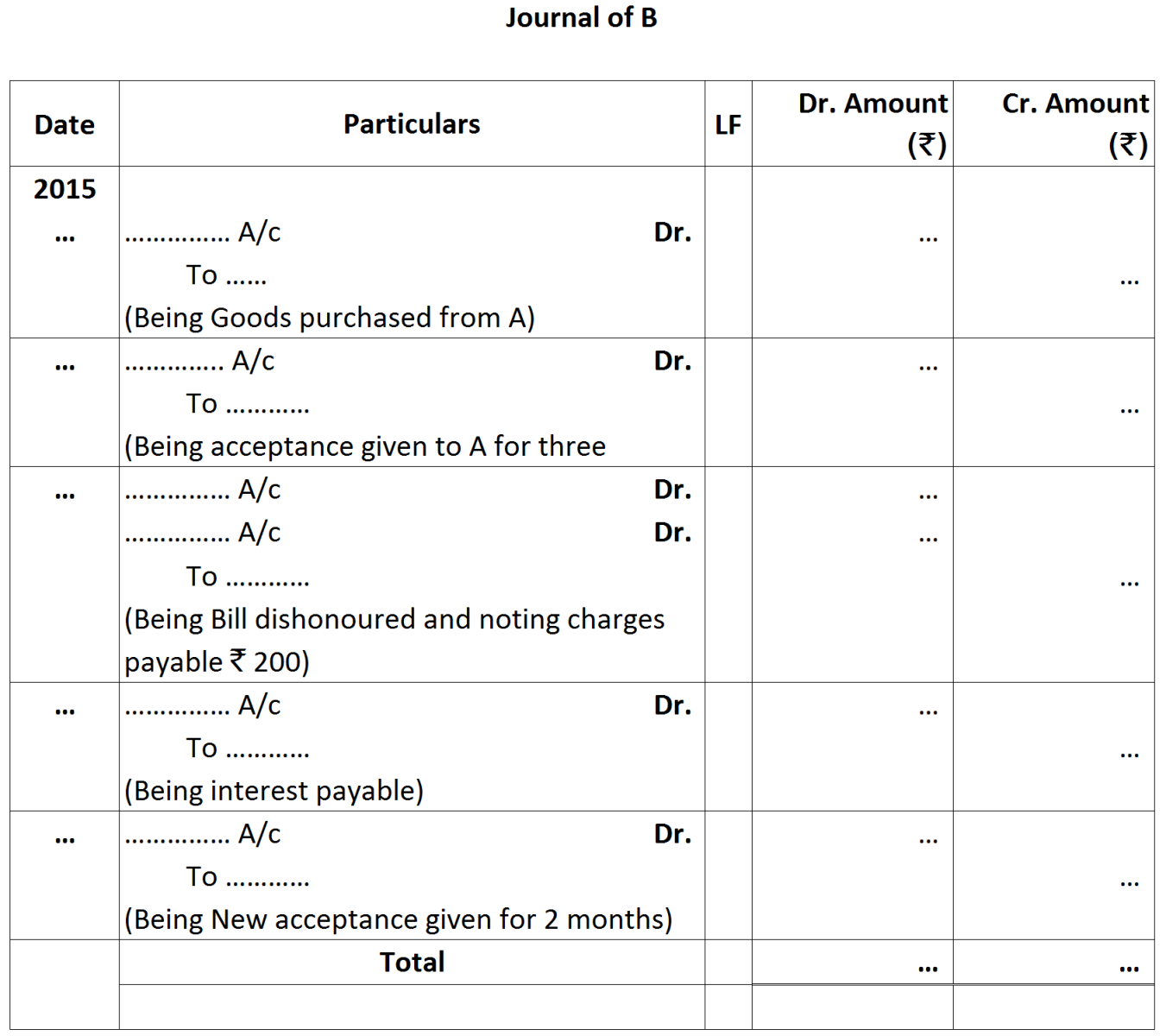
Fill up the missing information in the following journal entries: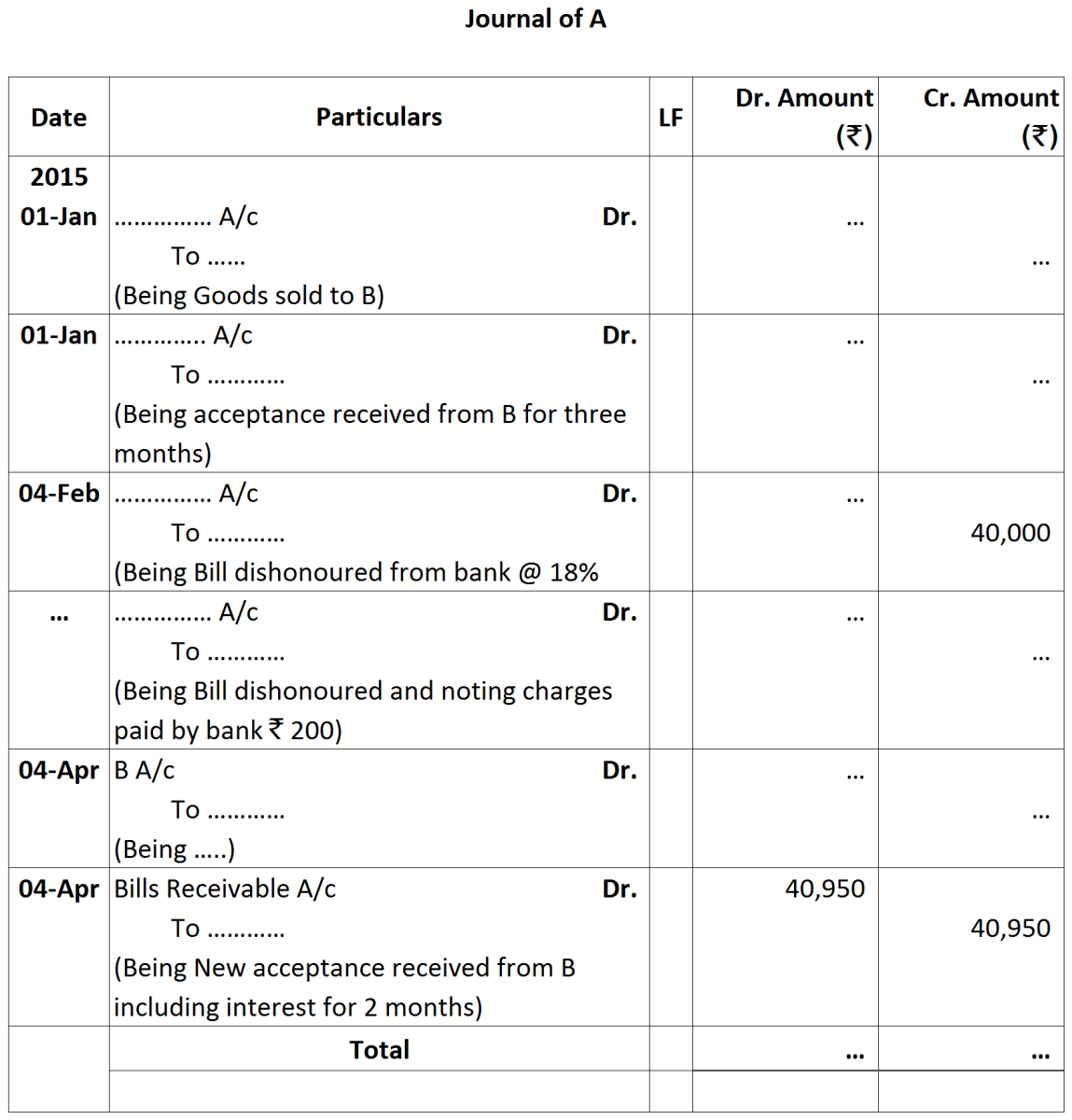
Get the step-by-step solution for this question inside the Vidyadip app.
Get the answer in the appGenerate a complete, print-ready paper with questions like this in minutes — across 16+ boards, with answer keys.
|
2018
|
|
₹
|
|
Jan. 1
|
Cash in Hand
|
2,200
|
|
Cash at Bank
|
50,000
|
|
|
Jan. 3
|
Purchased goods for ₹ 75,000; Trade Discount 20%; CGST 6%, SGST 6%; Payment made by Cheque
|
|
|
Jan. 4
|
Sold goods for ₹ 40,000; Trade Discount 15%; IGST 12%; Payment received by Cheque
|
|
|
Jan. 5
|
Received a cheque from Naresh
|
1,000
|
|
Jan. 8
|
Cheque received from Naresh endorsed to Suresh in full settlement of his account of ₹ 1,050
|
|
|
Jan. 10
|
Paid Life Insurance premium of Mr. Mohan
|
100
|
|
Jan. 13
|
Received a cheque from Pawan in full settlement of his account of ₹ 750
|
700
|
|
Jan. 16
|
Pawan's cheque returned dishonoured by bank
|
|
|
Jan. 20
|
Deposited into Bank, balance of Cash in excess of ₹ 250
|
|
|
2017
|
|
|
March 1
|
Cash in Hand ₹ 15,000; Bank ₹ 8,000
|
|
March 2
|
Sold goods to X on credit for ₹ 10,000
|
|
March 5
|
Sold goods for ₹ 20,000; received cheque from them, discount allowed $2\frac{1}{2}\%$
|
|
Cheque was deposited into bank on 7th March
|
|
|
March 10
|
Purchased goods from Suresh on the terms of 5% Cash discount if the payment is made within 3 days ₹ 20,000
|
|
March 12
|
Payment made to Suresh; half in Cash and half by cheque
|
|
March 14
|
Received a Bank Draft for ₹ 6,820 from Siya Ram in full settlement of ₹ 7,000 due from him. Sent the draft to the Bank
|
|
March 16
|
Settled Pawan's account of ₹ 5,000 at a discount of 5%
|
|
March 17
|
Goods worth ₹ 8,000 were purchased from Sunil on 5th March. Its payment was made today by cheque after deducting 5% cash discount
|
|
March 18
|
Withdrawn from Bank ₹ 20,000 and Furniture was purchased for ₹ 15,000; the balance taken by the proprietor
|
|
March 20
|
Received a cheque from Ravi for ₹ 2,850 in settlement after deducting 5%
|
|
Endorsed the cheque to Gopal on 22nd March
|
|
|
March 22
|
Placed an order with 'Jai Traders' for goods of the value of ₹ 10,000 and sent a cheque of ₹ 8,000 with the order
|
|
March 23
|
Purchased furniture by cheque of ₹ 6,000
|
|
March 24
|
Cash sales ₹ 15,000; half of which deposited into bank
|
|
March 25
|
X settled his account by payment of ₹ 10,150; ₹ 150 being the interest charged
|
|
March 27
|
Paid rent to Landlord 'Rakesh' by cheque ₹ 2,000
|
|
March 28
|
Cashed a cheque for ₹ 10,000 and paid salaries in cash ₹ 8,000
|
|
March 31
|
Deposited into bank, balance of cash in excess of ₹ 5,000
|
|
2017
|
|
|
Jan. 1
|
Balance of Cash in Hand ₹ 15,000 and Bank Overdraft ₹ 6,000
|
|
Jan. 3
|
Issued a cheque of ₹ 4,800 to Mr. Black and earned a discount of ₹ 200
|
|
Jan. 4
|
Direct deposit by Mr. Kapil in our bank account ₹3,800. Discount allowed ₹ 200
|
|
Jan. 5
|
Given as charity ₹ 100
|
|
Jan. 7
|
Issued a cheque of ₹ 500 to the petty cashier
|
|
Jan. 15
|
Goods worth ₹ 10,000 were sold to Ganesh on 10th January. Its payment was received today by cheque after deducting 5% cash discount
|
|
Jan. 16
|
Deposited the above cheque into Bank
|
|
Jan. 17
|
Goods purchased from Raghu for ₹ 8,000. Payment is made after deducting 3% cash discount.
|
|
Jan. 18
|
Bought postage stamps ₹ 200
|
|
Jan. 20
|
Paid ₹ 4,000 by cheque for furniture purchased
|
|
Jan. 22
|
Arun who owed us ₹ 6,000 became bankrupt and paid 60 paise per ₹
|
|
Jan. 24
|
Collected from Anil ₹ 5,000 in cash and deposited into bank the next day.
|
|
Jan. 24
|
Cash purchases of stationery ₹ 200
|
|
Jan. 25
|
X settled his account of ₹ 7,000 by cheque of ₹ 6,850
|
|
Cheque was deposited into the bank on 28th January
|
|
|
Jan. 27
|
Settled Y's account of ₹ 8,000 by cheque after deducting therefrom $2\frac{1}{2}\%$ each discount
|
|
Jan. 29
|
Cash sales for ₹ 10,000, received cheque
|
|
Jan. 30
|
Interest charged by bank ₹ 1,500
|
|
2017
|
|
|
March 4
|
Purchased building for ₹ 1,50,000 and incurred expenses of ₹ 10,000 on its purchase.
|
|
March 10
|
Satish who owed us ₹ 20,000 is declared insolvent and 60 paise per ₹ is received from his estate.
|
|
March 15
|
Paid ₹ 500 for repairing the office furniture.
|
|
March 18
|
Proprietor withdrew for his personal use cash ₹ 5,000 and goods worth ₹ 2,000.
|
|
March 20
|
Purchased the following items for business: Iron Safe ₹ 15,000; Filing Cabinet ₹ 5,000; Computer ₹ 12,000; Postage ₹ 200 and Stationery ₹ 150
|
|
March 28
|
Paid electricity charges ₹ 1,600.
|
|
March 31
|
Charge depreciation on Machinery @ 10% for one year (Machinery ₹ 75,000).
|
|
March 31
|
Outstanding wages at the end of the year ₹ 6,000.
|