Question
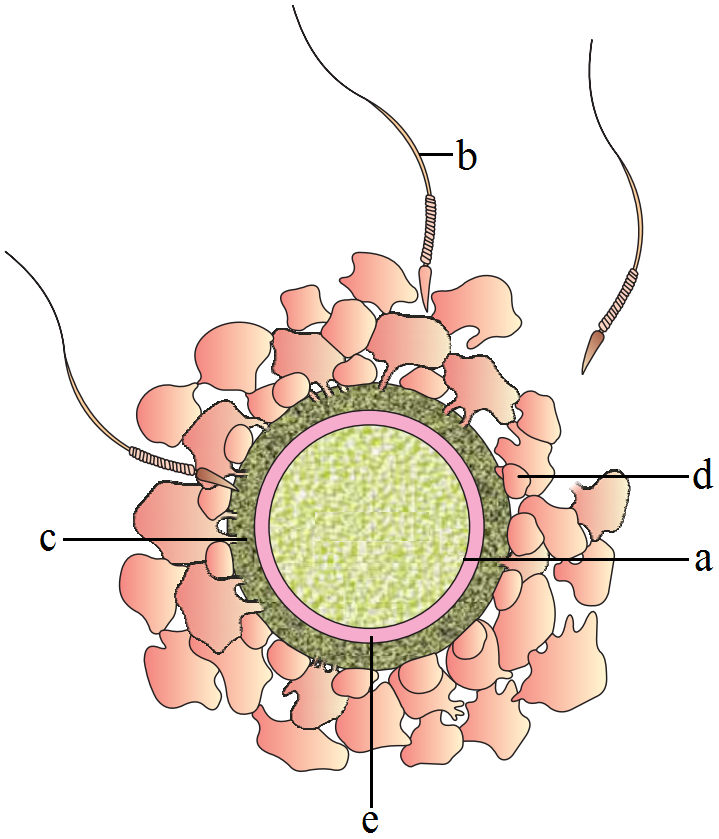
Study the illustration given and answer the questions that follow:

Identify ‘a’.

Answer

a-ovum.

Need a full question paper?

Generate a complete, print-ready paper with questions like this in minutes — across 16+ boards, with answer keys.
Start Generating Free

Similar questions

What is called addiction? Describe the effects of drug alcohol abuse.
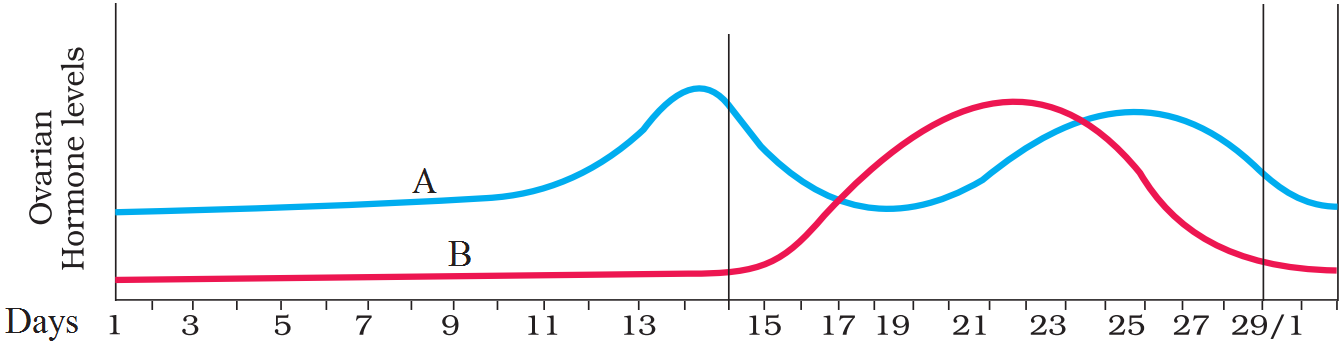
The graph given below shows the variation in the levels of ovarian hormones during various phases of menstrual cycle:

Compare the role of A and B.

What is ecological pyramid? Describe the different types of pyramid.
Rohan and his friends emptied all the overhead tanks, which were not in use for last few months. Some people did not like this. Rohan and his friends explained and convinced them about the hygienic benefits of their act.
  1. What was the objective behind their act?
  2. Explain in brief the stages of life cycle of a malarial parasite in human body.
  3. Which pathogen is responsible for malaria?
  4. What values did Rahul and his friends promote?
Study the illustration given and answer the questions that follow:

Explain the role of hormones in the formation and release of ‘a’.

Study the 3 representative figures of age pyramid relating to human population given below and answer the following question:

  1. Mention the names given to the 3 kinds of age profiles (i), (ii), and (iii).
  2. Which one of them is ideal for a population and why?
  3. How do such age-profile studies help policy makers get concerned about our growing population and prepare for future planning? (say for example: for the year 2022.)
[Hint. The age profile you would name as stable was prepared on the data available on January 2007].
Malarial parasite ‘Plasmodium’ completes its life cycle in two hosts. Draw its complete life cycle and explain various stages it follows throughout its life.
Describe the structure of human sperm.###Describe the structure of sperm with suitable diagram. Also define supermatogenesis.
Write the name of causative agent and symptoms of following sexually transmitted diseases.
1. Syphilis, 2. Gonorrhea, 3. Herpes Genitalis, 4. Trichomoniasis, 5. Chalmydiasis, 6. AIDS, 7. Genital Warts, 8. Vaginitis.
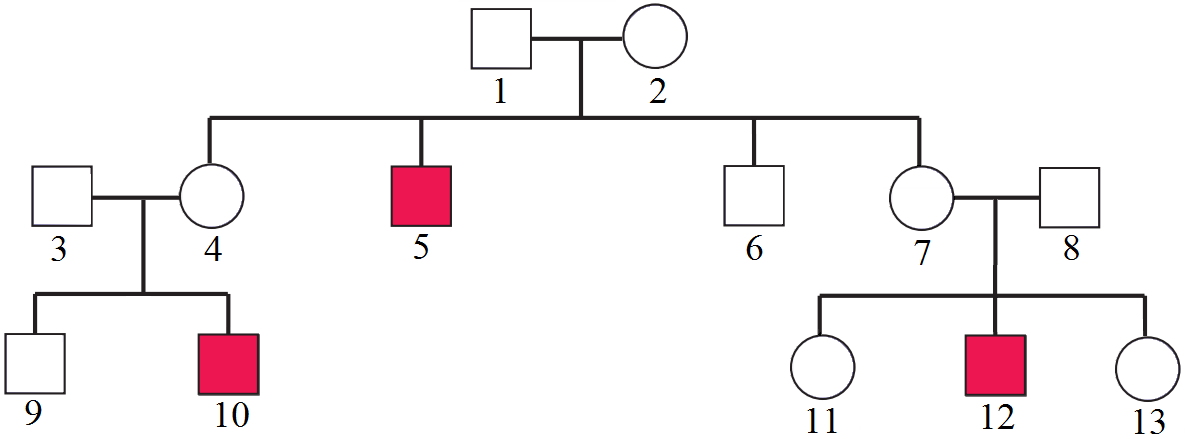
Haemophilia is a sex–linked recessive disease. Study the pedigree analysis given below showing the inheritance of the disease in a family and answer the questions that follow.

  1. Give the evidence from the above analysis which suggests that the disease is:
    1. Sex–linked and,
    2. Caused by a recessive allele.
  2. Write the possible genotypes of the individuals ‘2’ and ‘5’.