Question
What are the implications of high and low inventory turnover ratios?

Answer

A low inventory turnover ratio indicates that inventory docs not sell quickly and remains lying in the godown for quite a long times, This results in increased strong costs, blocking of funds and losses on account of good becoming obsolele or unsaleable.The higher the ratio, the better it is, since it indicates that inventory is selling quickly. In a business where inventory turnover ratio is high, goods can be sold at a low margin of profit and even then the profitability may be quite high.

Need a full question paper?

Generate a complete, print-ready paper with questions like this in minutes — across 16+ boards, with answer keys.

Start Generating Free

Similar questions

  1. from the following information compute 'Debt-Equity Ratio'.
Long term Borrowings ₹ 2,00,000
Long term Provisions ₹ 1,00,000
Current Liabilities ₹ 50,000
Non-current Assets ₹ 3,60,000
Current Assets ₹ 90,000
  1. The current ratio of X. Ltd is 2 : 1. State with reason which of the following transaction would (i) increase; (ii) decrease or (iii) not change the ratio:
  1. Included in the trade payables was a bills payable of 9,000 which was met on maturity.
  2. Company issued 1,00,000 equity shares of ₹ 10 each to the Vendors of machinery purchased.
Calculate Total Assets to Debt Ratio from the following:
State any four limitations of analysis of financial statements.
Gross Profit ratio of a Company was 25%. Its cash revenue from operations were ₹ 5,00,000 and its credit revenue from operations were 90% of the total revenue from operations. If the indirect expenses of the company were ₹ 1,50,000, calculate its net profit ratio.
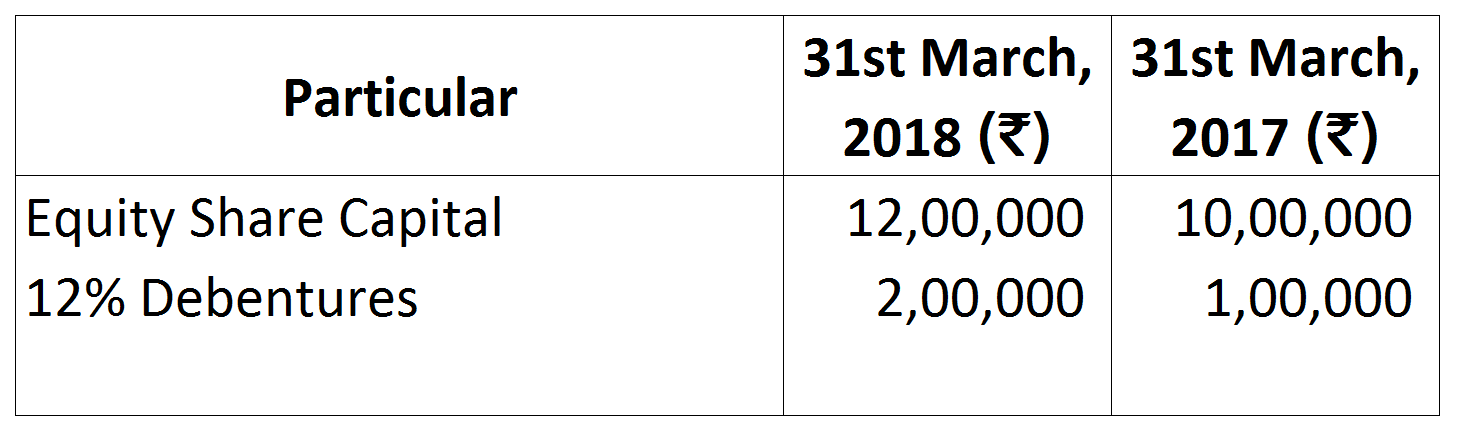
From the following information, calculate Cash Flow from Investing and Financing Activities
Additional Information:
  1. Interest paid on debentures ₹ 19,000.
  2. Dividend paid in the year ₹ 50,000.
  3. During the year, XYZ Ltd. issued bonus shares in the ratio of 5 : 1 by capitalising reserve.
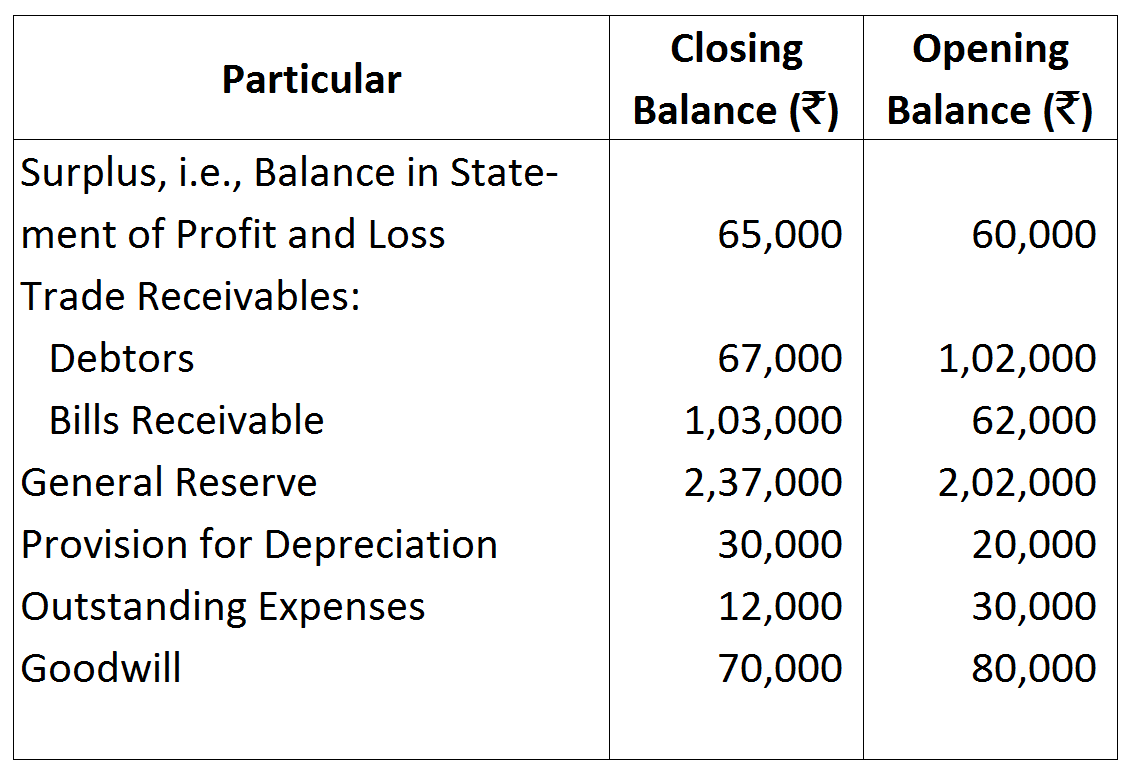
Compute Cash Flow from Operating Activities from the following:
An asset costing ₹ 40,000 having book value of ₹ 28,000 was sold for ₹ 36,000.
Charles Ltd. earned a profit of ₹ 1,00,000 after charging depreciation of ₹ 20,000 on assets and a transfer to General Reserve of ₹ 30,000. Goodwill amortised was ₹ 7,000 and gain on sale of machinery was ₹ 3,000. Other information available is (changes in the value of Current Assets and Current Liabilities): trade receivables showed an increase of ₹ 3,000; trade payables an increase of ₹ 6,000; Prepaid expenses an increase of ₹ 200; and outstanding expenses a decrease of ₹ 2,000.
Ascertain Cash Flow from Operating Activities
Average Inventory ₹ 80,000; Inventory Turnover Ratio 6 Times; Revenue from Operations 25% above cost. Calculate Gross Profit Ratio.
Under what headings will you show the following items in the Balance Sheet of a Company:
  1. Credit Balance of Statement of Profit & Loss.
  2. Discount on Issue/ Loss on issue of Debentures (to be amortized in the next 12 months).
  3. Employees earned leave payable on retirement.
  4. Provision for Provident Fund Scheme.
  5. Provision for Employee Benefits (Short term).
  6. Provision for Doubtful Debts.
  7. Contracts remaining to be executed.
Calculate Net Profit Ratio from the following information:
Revenue from Operations ₹ 25,00,000; Operating Ratio 90%; Loss on Sale of Fixed Assets ₹ 25,000; Interest on Long term Borrowings ₹ 30,000; Income from Investments ₹ 40,000.